Loading...
10 October 2025
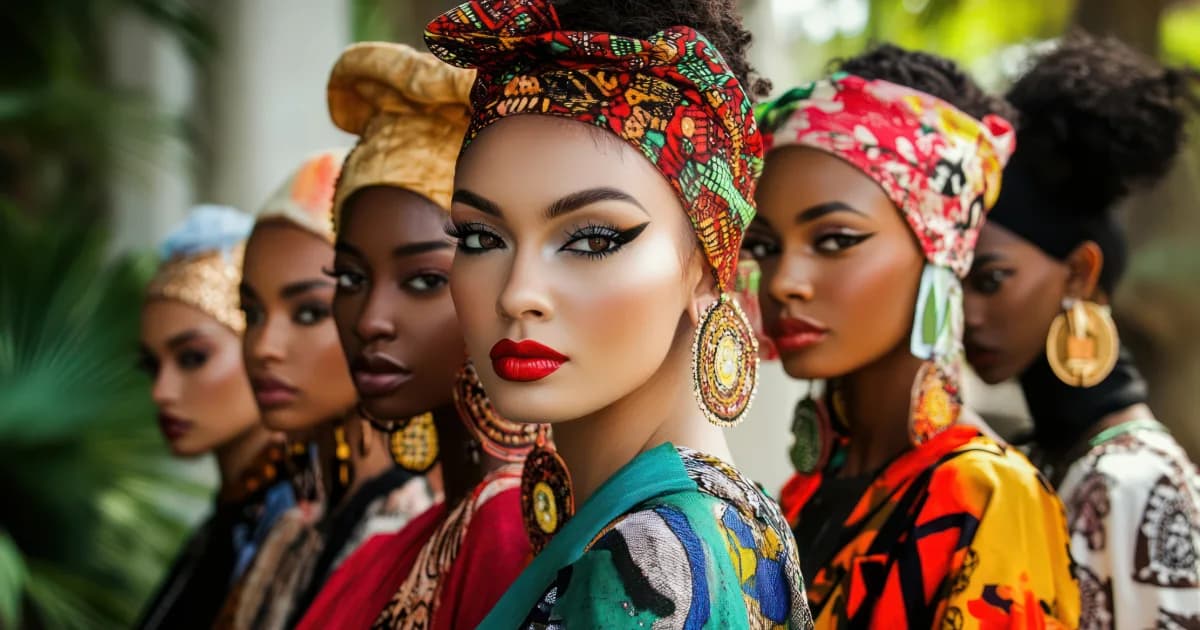
Social media has become the most powerful accelerator for emerging talent, giving small designers the kind of global visibility that was once exclusive to luxury labels. What was earlier a slow climb through exhibitions, boutiques, and fashion weeks has transformed into an overnight digital evolution where a single reel, campaign, or post can take a brand from a home-grown studio to global recognition. In this era where a winter coat or a handcrafted fashion piece can trend globally within hours, the rise of independent creators reflects a shift in consumer behaviour, algorithms, and storytelling.
The journey from local to global now begins not in a showroom but on a mobile screen. Audience engagement, viral potential, collaborations, and the impact of media influencers have turned social media into a dynamic fashion runway where creativity outranks scale. Small designers are tapping into this opportunity by building strong digital identities, producing relatable content, collaborating with influencers, and using high-quality visuals to showcase their artistry, craftsmanship, and brand story.
The digital landscape has commercialised fashion visibility, making it accessible for even the smallest creators. Platforms like Instagram, TikTok, YouTube, and Pinterest have evolved from simple content-sharing apps into global brands' launchpads. Every post—whether it highlights a winter coat styled in streetwear aesthetics or a video showcasing handcrafted fashion—acts as a gateway for international audience engagement.
The most remarkable part is that small designers no longer need massive budgets to compete. Authenticity now ranks higher than glossy campaigns. A raw behind-the-scenes clip, a storytelling carousel, or a quick transition reel can outperform traditional advertisements. This shift has broadened fashion’s exposure, where designers from remote towns, niche markets, or traditional craft communities can enter the global stage without physical retail or PR agencies.
Social media has effectively dismantled geographical limits. Designers who once sold only to local shoppers now ship worldwide through DM inquiries, online marketplaces, and international collaborations that emerge from consistent online visibility.
Small designers are winning online because they understand how to combine creativity with relatability. Viral fashion content today is less about perfection and more about personal connection. What goes viral is not just clothing—it’s storytelling.
Audiences want to know the person behind the brand. Designers share their daily routine, workshop sessions, fabric selection, and the emotional labour behind every creation. This transparency distinguishes small brands from commercialised, global brands that often lack personal identity.
Instead of polished catalogue shoots, designers use everyday scenarios or natural environments to showcase garments. A winter coat displayed in a snowy street, a handcrafted dress styled casually at home, or a fashion video filmed in a small studio captures authenticity that resonates with viewers.
Niche skills—hand embroidery, artisanal dyeing, custom tailoring, upcycled textiles—attract global attention. People love watching transformation videos from raw material to thefinal product. Such content fuels the emotional value of handcrafted fashion.
Reels, transitions, and trending sounds create instant discoverability. Designers who master short-form content often gain a global audience faster than traditional brands.
Colour palettes, visual themes, and cohesive branding help audiences instantly recognise a designer’s work. This builds a memorable identity and strengthens long-term engagement.
Media influencers have become the new digital stylists and fashion editors. Their reach amplifies the visibility of small designers more effectively than many paid campaigns. A single mention, tag, or unboxing post can skyrocket demand.
Influencers today actively seek out small designers because:
They want exclusive, unique pieces instead of mass-produced styles.
Handcrafted fashion performs better in engagement metrics.
Audiences appreciate supporting home-grown talent.
It helps influencers differentiate themselves from commercialised global brands.
Micro-influencers (5K–100K followers) are especially powerful for emerging designers because their community engagement is high. When they share outfits or promote collaborations, the impact is immediate and authentic.
This cycle has created a thriving ecosystem where designers and influencers grow together. Influencers gain fresh content and individuality; designers gain visibility and credibility.
Collaborations have become the most effective method for turning small designers into global names. These include:
Limited drops, co-designed pieces, or styling partnerships become instant hits. Followers trust influencers, making collaboration collections sell quickly.
Working with complementary brands (skin-care labels, jewellery houses, footwear designers) expands audiences and diversifies content.
Designers are now partnering with creators, stylists, and resellers from other countries. These collaborations bridge cultural gaps and make handcrafted fashion global.
Partnerships with fashion marketplaces bring structure, logistics, and global shipping support. Designers get exposure to international shoppers who value unique craftsmanship.
Each collaboration boosts credibility and drives demand, pushing small brands into the global spotlight.
Consumers today value individuality, sustainability, and authenticity—things missing in mass-produced collections. Handcrafted fashion has become a symbol of identity and artistic expression. Small designers excel in this domain because they:
Offer limited-edition pieces
Work with sustainable methods
Emphasise traditional skills
Deliver personalised experiences
A handcrafted winter coat or handwoven dress carries emotional and cultural value. Customers love the idea that no two pieces look exactly the same. This “human touch” gives small designers a powerful advantage over large global brands that often feel commercialised and repetitive.
Handcrafted pieces also photograph beautifully, making them ideal for social media aesthetics. Textures, colours, stitches, and natural materials appeal visually to audiences and enhance content performance.
The Role of Algorithms in Pushing Small Designers Worldwide
Algorithms reward consistency, creativity, and engagement. Designers who understand platform behaviour quickly gain visibility. For example:
TikTok pushes content based on interest, not follower count, helping small brands go viral overnight.
Instagram Reels provides global reach through music trends and user interactions.
Pinterest boosts high-quality visuals, making it ideal for showcasing craftsmanship.
YouTube Shorts supports long-term storytelling and brand building.
Even marketplaces use algorithmic discovery. Search tools, recommended sections, and user-behaviour models push handcrafted fashion to shoppers seeking unique design.
Algorithms level the playing field, turning creativity into global currency.
Across platforms, certain formats consistently perform well:
Fabric cutting, stitching, draping, dyeing, and embroidering—these processes fascinate global audiences. People appreciate the effort behind handcrafted fashion.
Creators style one winter coat in five ways or transform a traditional outfit into multiple modern looks.
“Before & After” clips showcasing raw fabric turning into fashion pieces often go viral.
Audiences love seeing the personal touch that small designers add to each package.
Sharing challenges, small wins, orders from first international buyers, or emotional milestones builds a loyal audience.
Any collaboration content immediately drives visibility and credibility.
Designers announcing new winter collections or festive edits generate high traction.
These content strategies help designers consistently attract global traffic.
Small designers outperform large brands in key areas:
Authenticity: Consumers connect with real stories.
Craftsmanship: Handcrafted fashion feels exclusive.
Personality: Designers share raw emotions and creative journeys.
Community: Social media creates intimate engagement.
Sustainability: People prefer supporting small-scale production.
Customisation: Global brands cannot match personalised design.
This is why fashion lovers worldwide now prefer limited-edition pieces from artisans instead of commercialised collections.
Small designers are not just trending—they’re redefining the global fashion narrative. As algorithms expand reach, marketplaces simplify logistics, media influencers fuel campaigns, and collaborations increase digital presence, the fashion industry is shifting to a borderless ecosystem.
Brands that started from their living rooms now ship worldwide. Designers who stitched one winter coat a week now handle international orders. Creators who once dreamed of global exposure now collaborate with stylists, celebrities, and designers across continents.
The next wave of fashion success will belong to those who embrace creativity, authenticity, and digital innovation.