Loading...
31 July 2026
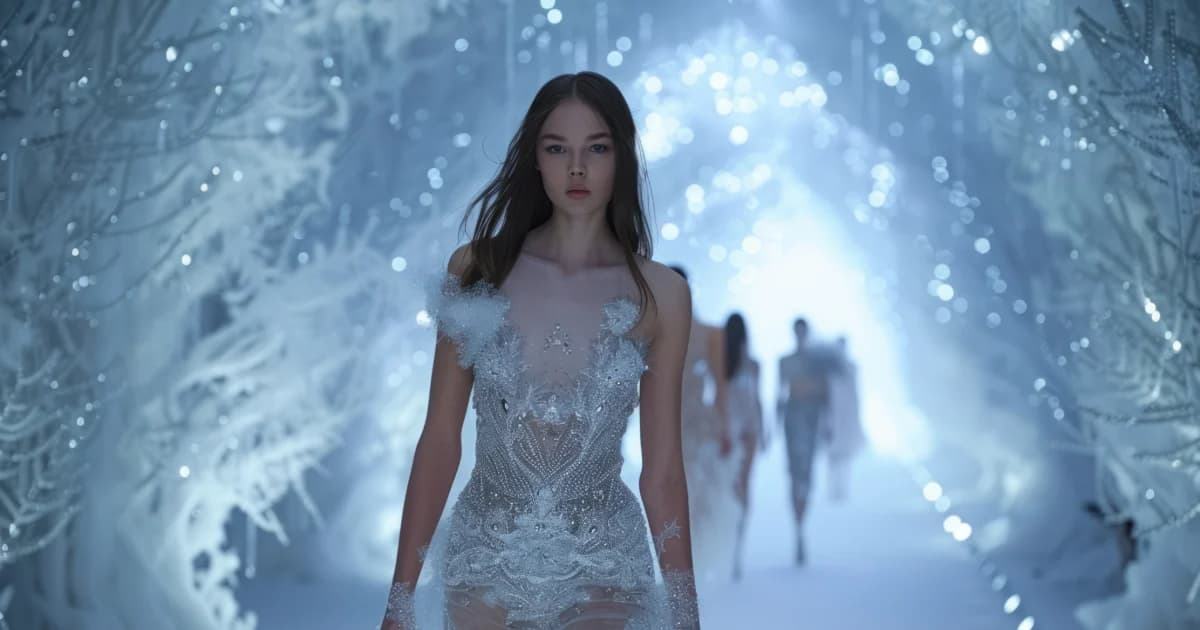
Fashion Weeks are full of glitz and glamour: celebrity cameos and jaw-dropping collections. But the sleek displays that entertain the masses are the result of months of strategic planning and collaboration. Well before the invitations go out and the cameras line up, the designers are researching trends, choosing fabrics, sketching ideas, and perfecting each piece. The event planners are busy booking venues, counting down logistics, securing sponsorships, and managing the guests. Everyone, it seems, has the singular purpose of creating an indelible event on a tight schedule.
The creative process begins with costume design, where inspiration evolves into wearable collections. Designers experiment with colors, textures, silhouettes, and embellishments before producing multiple samples for review. Each outfit undergoes countless adjustments to ensure comfort, movement, and visual appeal under runway lighting. Production teams also prepare fittings, transportation, and backstage logistics, understanding that even the smallest oversight can affect an entire presentation. This extensive preparation is rarely visible to the audience, yet it forms the backbone of every successful Fashion Week.
Backstage Is a Carefully Coordinated Operation
Backstage at Fashion Week is hectic, eager, and precise. In the tight space of the stage, hundreds work at the same time: stylists, craftspeople, dressing helpers, makeup artists, hairdressers, photographers, production assistants, all working in harmony. Every person has a clearly defined responsibility, allowing the show to progress according to a strict schedule.
Clothing pieces are sorted by walking order, accessories are carefully tagged, and dressing assistants are ready to go, as most of the outfit changes end up being less than sixty seconds long. Most of the time, Communication becomes the most valuable resource, and the show coordinators never stop informing each department about timing and adjustments. The point is to remain confident at all times, and unexpected challenges such as damaged garments, missing accessories, or last-minute lineup changes must be solved instantly without affecting the audience's experience. After all, no one manages to look that perfect on the runway without a team able to keep their heads cool under incredible pressure.
Every Fashion Week collection tells a story, and styling is what transforms individual garments into a complete visual narrative. Creative directors collaborate with stylists to determine hairstyles, makeup, footwear, jewelry, handbags, and accessories that complement the designer's concept. Rather than following seasonal trends alone, every styling decision reinforces the mood, personality, and identity of the collection. Even subtle elements such as nail color or eyewear contribute to the final presentation.
The second phase of costume design involves evaluating how every complete outfit appears together instead of individually. Stylists conduct fittings under professional lighting to ensure fabrics reflect properly and colors remain consistent for photographers and live broadcasts. Models repeatedly rehearse the catwalk while teams observe how garments flow with movement, making final adjustments whenever necessary. The smallest details such as repositioning a belt or shortening a sleeve can dramatically improve the overall presentation and elevate the audience's perception of the collection.
Many have the misconception that a model just turns up, changes into different clothes, and walks the runway. Professional models, however, take a lot of time to prepare for each appearance at Fashion Week. Before the show actually starts, models have already been to castings, been through fittings, had choreography explained, timed rehearsals, been given instructions on how to stand and walk, how to pose and walk at a certain speed, and present themselves throughout.
Walking the catwalk demands exceptional physical control and mental focus. Models must remember their sequence, adapt to different footwear, maintain posture despite heavy garments, and respond naturally to lighting and photography. They also need to project confidence regardless of fatigue, long working hours, or multiple wardrobe changes throughout the day. Their professionalism allows designers to present collections exactly as envisioned, ensuring every garment receives the attention it deserves without distracting from the creative message.
Technology has turned Fashion Weeks into worldwide spectacles that are beamed to millions of viewers across the globe. State-of-the-art lighting and synchronized sound, combined with LED displays, digital projections, and streaming video, allow designers to engage and entertain audiences with breathtaking shows instead of simply showcasing a model walking down the runway. The production crews plan and program the lighting sequences and sound cues weeks in advance of the show, testing the AV equipment for days leading up to the event.
Behind the technology, costume design teams continue working until the final moments before each presentation. Steamers remove wrinkles, tailors repair loose stitching, and assistants inspect accessories one final time before models step onto the runway. Meanwhile, photographers and videographers position themselves strategically to capture every angle for international media coverage. Throughout this demanding process, maintaining confidence allows every department to adapt quickly when unexpected technical issues arise, ensuring audiences experience a polished and uninterrupted show.
Although designers often become the public face of Fashion Week, successful events depend on the dedication and combined efforts of hundreds of professionals working together behind the scenes. Casting directors select the right models, production managers oversee logistics, stylists coordinate outfits, photographers document every moment, and makeup artists create looks that support the collection's identity. Security personnel, volunteers, event coordinators, and technical crews also contribute significantly, even though their efforts are rarely recognized by the audience.
The final inspections before models enter the catwalk represent the culmination of months of planning and teamwork. Designers review every garment one last time, making quick refinements that perfect the overall presentation. The final stage of costume design ensures every detail from stitching to accessories meets the highest standards expected at international Fashion Weeks. When every department works in harmony with professionalism and confidence, the audience witnesses a spectacular event that appears effortless despite the extraordinary coordination taking place behind the curtain. Fashion Weeks ultimately celebrate not only creativity but also collaboration, discipline, innovation, and the remarkable people who transform ambitious ideas into unforgettable runway experiences.