Loading...
03 March 2026
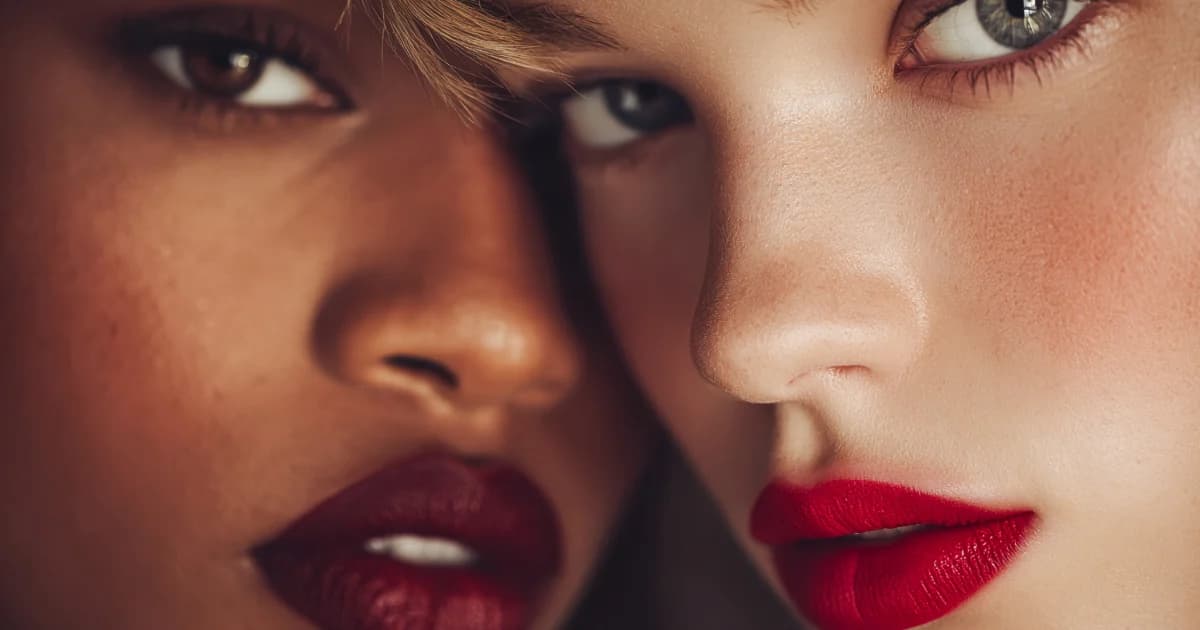
Classic glamour represents a timeless vision of elegance, sophistication, and carefully curated fashion. Historically rooted in the golden age of cinema and high society, this aesthetic reflects a period when beauty standards were defined by polished appearances, graceful silhouettes, and refined presentation.
Classic glamour thrived during the early and mid-20th century when fashion houses, film studios, and luxury designers shaped global style trends. During this era, glamour was not only about clothing but also about posture, etiquette, and personal grooming. Women embraced structured garments such as tailored dresses, fitted gowns, and elegant accessories that enhanced their natural features while maintaining a sense of sophistication.
The overall lifestyle surrounding classic glamour emphasized elegance in every aspect of daily life. Fashion choices were carefully coordinated, makeup was applied with precision, and hairstyles were styled to perfection. The visual identity was defined by subtle sophistication rather than experimental trends.
Classic glamour was heavily associated with luxury fabrics such as silk, satin, velvet, and lace. These materials added depth and richness to garments, making them ideal for formal occasions and high-profile social gatherings. Accessories such as pearls, gloves, and statement jewelry were essential components that completed the glamorous aesthetic.
Another defining characteristic of classic glamour was its emphasis on subtle beauty. Makeup routines were designed to enhance natural features rather than dramatically transform them. Red lipstick, winged eyeliner, and softly contoured cheeks became iconic elements that symbolized feminine elegance and timeless charm.
Fashion during this period also prioritized modesty and refinement. Dresses were often designed to accentuate the waistline, creating flattering silhouettes that celebrated natural body shapes while maintaining a polished appearance.
The cultural landscape played a significant role in shaping classic glamour. The entertainment industry, especially cinema, influenced public perceptions of beauty and style. Actors and public figures became symbols of elegance, inspiring audiences to adopt similar fashion aesthetics.
This influence extended beyond clothing into lifestyle habits. Social events, formal gatherings, and elite circles reinforced the importance of dressing impeccably. Glamour was associated with prestige, status, and personal presentation.
Fashion magazines, photography, and advertising campaigns contributed to the widespread popularity of classic glamour. Carefully styled photoshoots showcased elegant outfits and beauty techniques that quickly became aspirational trends.
Classic glamour also reflected societal values of the time. Fashion emphasized grace, discipline, and attention to detail. Individuals invested significant effort into maintaining their appearance, ensuring that their style represented refinement and class.
The concept of attraction within classic glamour was rooted in sophistication rather than flamboyance. Beauty was portrayed through elegant posture, poised expressions, and carefully balanced styling choices.
As society evolved, so did fashion. Modern glam emerged as a dynamic reinterpretation of traditional glamour, blending contemporary creativity with elements of classic sophistication.
Unlike classic glamour, which emphasized structured elegance and traditional beauty standards, modern glam celebrates individuality, experimentation, and personal expression. It reflects a shift toward more inclusive and diverse interpretations of beauty and fashion.
Modern glam is characterized by bold design choices, innovative styling techniques, and an embrace of unconventional trends. Designers now experiment with textures, colors, silhouettes, and materials that challenge traditional fashion norms.
The digital age has significantly influenced modern glam. Social media platforms, fashion influencers, and global connectivity allow trends to spread rapidly across cultures and communities. As a result, style evolves faster than ever before.
Modern glam also reflects the transformation of lifestyle priorities. Comfort, practicality, and sustainability have become essential factors in fashion decisions. Individuals seek clothing that not only looks appealing but also aligns with their daily routines and personal values.
One of the defining features of modern glam is its bold approach to fashion. Designers and stylists embrace vibrant colors, dramatic silhouettes, and unconventional combinations that create visually striking looks.
Bold fashion choices allow individuals to express their personalities more openly. Statement pieces such as oversized jackets, metallic fabrics, experimental hairstyles, and artistic makeup styles represent the creative spirit of modern glam.
Fashion shows and runway collections often showcase these bold innovations. Designers push boundaries by blending streetwear with luxury fashion, creating hybrid styles that reflect contemporary culture.
Modern glam also embraces diversity in body shapes, skin tones, and cultural influences. The fashion industry now celebrates individuality and authenticity, allowing people from different backgrounds to redefine beauty standards.
This shift has transformed the way attraction is perceived in fashion. Instead of adhering to rigid rules, modern glam encourages confidence, creativity, and personal identity as the foundation of style.
Despite its bold characteristics, modern glam still retains elements of subtle elegance inherited from classic glamour. Many contemporary fashion trends incorporate minimalistic designs that focus on clean lines and understated sophistication.
Subtle elegance is particularly visible in minimalist fashion movements. Neutral color palettes, simple silhouettes, and delicate accessories create refined looks that resonate with modern lifestyles.
This balance between bold creativity and subtle sophistication defines the essence of modern glam. Individuals can experiment with dramatic styles while still maintaining a sense of elegance and refinement.
Makeup trends also reflect this duality. While dramatic eye makeup and vibrant colors are popular, many people prefer natural, glowing skin and soft tones that enhance their features without overwhelming them.
Hair styling has also evolved to reflect both bold and subtle influences. Sleek hairstyles coexist with textured waves, edgy cuts, and innovative coloring techniques.
Technological advancements have played a major role in the evolution of glamour. Digital platforms now shape fashion trends more quickly than traditional media ever could.
Fashion designers use advanced materials, 3D printing, and sustainable fabrics to create innovative garments that combine functionality with aesthetics. These developments redefine how fashion interacts with modern lifestyle needs.
Online shopping, virtual fashion shows, and digital marketing have also transformed the way consumers engage with fashion brands. Individuals can explore global style trends from the comfort of their homes, expanding their exposure to diverse fashion influences.
Technology has also democratized fashion. People no longer rely solely on luxury brands to define style. Independent designers, social media creators, and emerging fashion labels contribute to the diversity of modern glam.
This accessibility allows individuals to curate their own style identities rather than following rigid fashion rules.
Fashion silhouettes reveal how glamour has evolved over time. Classic glamour favored structured shapes that highlighted traditional femininity. Waist-cinching dresses, elegant gowns, and tailored coats defined the era's aesthetic.
Modern glam, however, embraces a broader spectrum of silhouettes. Oversized clothing, asymmetrical designs, and layered outfits reflect contemporary experimentation.
Street fashion has become an influential force in shaping modern silhouettes. Casual garments such as sneakers, hoodies, and relaxed trousers now appear alongside luxury pieces in high-fashion collections.
This fusion of casual and formal elements reflects the evolving lifestyle of modern consumers. Fashion is no longer restricted to specific occasions but adapts to everyday activities.
Lifestyle changes significantly impact fashion evolution. As professional environments become more flexible and social interactions shift toward digital spaces, clothing choices adapt accordingly.
Classic glamour thrived in a world of formal events, structured workplaces, and clearly defined dress codes. People dressed elegantly for social gatherings, theaters, and upscale restaurants.
Modern lifestyle patterns emphasize versatility. Individuals often transition between professional, casual, and social settings within the same day. As a result, fashion must accommodate comfort, practicality, and aesthetic appeal simultaneously.
Athleisure, sustainable fashion, and gender-neutral clothing reflect these lifestyle changes. Modern glam integrates these practical elements while preserving the sense of style that defines glamour.
Fashion today is influenced by a diverse range of cultural perspectives. Global connectivity allows designers to draw inspiration from traditional clothing, regional textiles, and cultural artistry.
Classic glamour was primarily shaped by Western fashion traditions. In contrast, modern glam incorporates multicultural influences that enrich the fashion landscape.
Traditional patterns, handcrafted textiles, and heritage techniques are reinterpreted through contemporary design approaches. This blending of cultures creates unique fashion narratives that celebrate diversity and creativity.
These cultural influences enhance the global appeal of modern glam while preserving the artistic heritage of various communities.
Sustainability has become a defining aspect of modern fashion. Consumers increasingly seek clothing that aligns with ethical and environmental values.
Eco-friendly fabrics, responsible manufacturing processes, and slow fashion movements are shaping the next phase of glamour evolution.
Designers now prioritize durability and quality over fast production cycles. This approach echoes aspects of classic glamour, where garments were designed to last for years rather than seasons.
Sustainable fashion also encourages individuals to invest in versatile pieces that can be styled in multiple ways. This philosophy combines practicality with aesthetic elegance.
The future of glamour will likely continue blending traditional elegance with modern innovation. As fashion evolves, the balance between bold experimentation and subtle sophistication will remain central to defining personal style.
The relationship between classic glamour and modern glam illustrates how fashion continuously adapts to cultural, technological, and social transformations.
Classic glamour established the foundation of elegance, emphasizing polished presentation and refined beauty standards. Modern glam builds upon this foundation by embracing creativity, individuality, and inclusivity.
Rather than replacing traditional glamour, modern fashion reinterprets it through contemporary perspectives. Vintage influences often resurface in modern collections, proving that timeless style never truly disappears.
Designers frequently revisit classic silhouettes, fabrics, and accessories while introducing modern elements such as innovative materials, sustainable production, and experimental aesthetics.
This ongoing dialogue between tradition and innovation keeps fashion dynamic and relevant.
Today, personal style plays a more significant role in fashion than ever before. Individuals are no longer limited to a single aesthetic category.
Many people blend elements of classic glamour and modern glam to create unique fashion identities. For example, someone may pair a vintage-inspired dress with contemporary accessories or combine minimalist clothing with bold makeup.
Fashion has become a form of self-expression that reflects personality, culture, and lifestyle choices. The concept of style now extends beyond clothing to include grooming, accessories, and overall presentation.
Social media platforms and digital communities allow individuals to showcase their fashion creativity, inspiring others and contributing to the global evolution of glamour.
Ultimately, the transformation from classic glamour to modern glam demonstrates the adaptability of fashion. While trends may change, the desire to express elegance, creativity, and personal identity remains constant.
The evolution of glamour reflects broader societal shifts in values, technology, and cultural exchange. As fashion continues to develop, the dialogue between bold innovation and subtle elegance will shape the future of style.