Loading...
29 September 2026
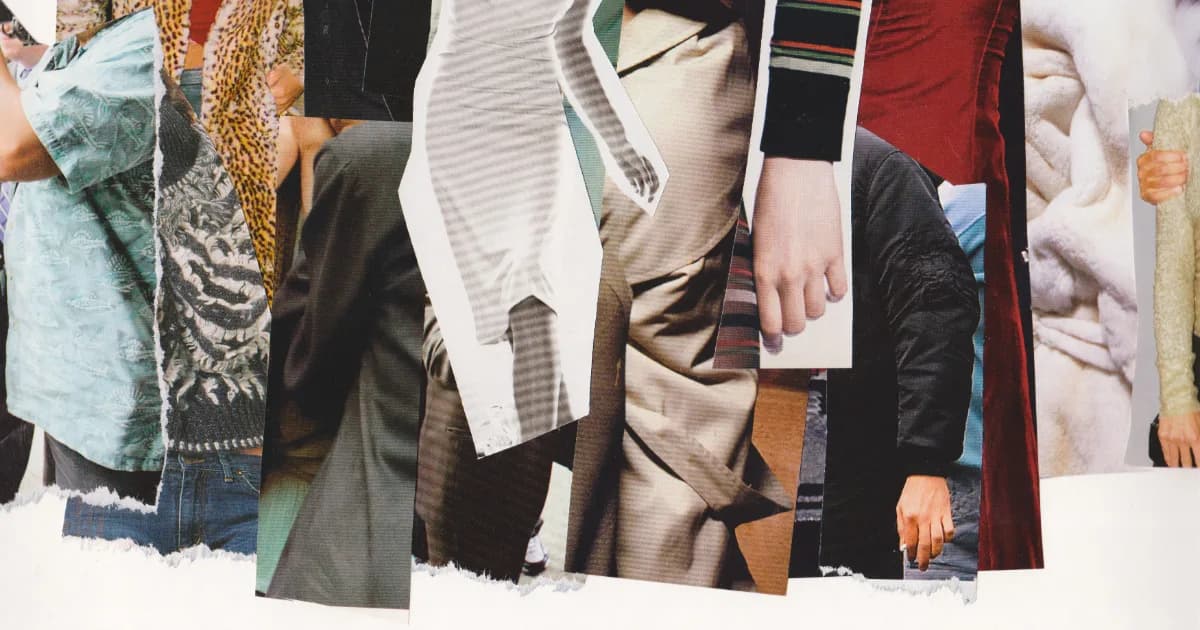
As the seasons change, fashion naturally shifts with them. Fall and winter bring an opportunity to experiment with layers, richer fabrics, deeper tones, and more structured silhouettes. For 2026, the fashion landscape is moving beyond a single defining aesthetic. Instead, designers are exploring individuality through proportions, textures, styling techniques, and thoughtful combinations.
The Fall/Winter 2026 season brings together polished tailoring, expressive outerwear, dramatic proportions, body-conscious silhouettes, nostalgic influences, and statement accessories. At the same time, there is a strong focus on making fashion feel personal and wearable.
Rather than replacing an entire wardrobe every season, the focus can be on understanding the trends and finding ways to incorporate them into an existing personal style.
Tailoring continues to play an important role in Fall/Winter fashion, but the traditional idea of a formal suit is being reinterpreted. For 2026, structured jackets are being balanced with softer shapes, relaxed trousers, and more flexible styling.
Blazers are no longer limited to formal trousers or office dressing. They can be paired with denim, knitwear, skirts, dresses, or simple everyday tops. This makes tailored pieces particularly versatile for the colder months.
A structured blazer worn with wide-leg trousers creates a polished silhouette, while an oversized jacket paired with a fitted knit dress offers a more relaxed interpretation. The key is creating contrast between proportions instead of making every part of the outfit equally structured.
Layering has always been practical during fall and winter, but in 2026 it is becoming an important part of fashion styling.
Instead of simply adding clothes for warmth, layers can be used to create depth and character. Shirts under sweaters, cardigans over dresses, jackets beneath longer coats, and knitwear paired with tailored pieces can transform familiar garments.
Layering also makes a wardrobe more adaptable. A lightweight piece can transition into colder weather when combined with warmer fabrics and outerwear. This approach allows existing garments to take on a fresh appearance without requiring an entirely new wardrobe.
Texture is one of the easiest ways to make a cold weather outfit feel more refined. Wool, suede, velvet, shearling, leather, cashmere, and textured knits naturally add visual interest while remaining appropriate for the season.
Rather than relying only on colour to create an interesting outfit, combining different textures can produce a more sophisticated result. A wool coat with a soft knit, suede footwear, and a structured leather bag can create a layered look without feeling overly complicated.
Shearling and tactile outerwear are also gaining attention for Fall/Winter 2026. These pieces combine warmth with a strong visual presence, making them useful when you want outerwear to become a central part of your outfit.
Fall/Winter 2026 is also embracing more expressive silhouettes. Oversized coats, wide-leg trousers, sculptural jackets, cropped outerwear, and flowing shapes are creating a noticeable contrast with previous seasons that focused heavily on streamlined dressing.
The most wearable way to approach this trend is to introduce volume selectively. A pair of wide trousers can be balanced with a fitted top, while an oversized coat can work well over a more streamlined outfit.
Playing with proportions can change the entire appearance of familiar garments. It is less about following an exaggerated runway look and more about finding shapes that work naturally with your wardrobe and comfort level.
Florals are traditionally associated with spring and summer, but Fall/Winter 2026 is giving the print a more seasonal interpretation.
Instead of delicate, lightweight floral patterns, colder weather versions can feature deeper colours, larger motifs, heavier fabrics, and more dramatic arrangements. This makes floral garments easier to integrate into autumn and winter wardrobes.
A floral skirt can be styled with a chunky sweater and boots, while a printed dress can be layered beneath a tailored coat. The combination of a traditionally feminine print with heavier seasonal pieces creates a more balanced look.
The trend demonstrates how familiar fashion ideas can be adapted simply by changing the colour palette, fabric, or styling.
Fashion frequently looks to the past for inspiration, and Fall/Winter 2026 continues this tradition. Elements associated with vintage dressing, particularly the elegance of the 1920s and Art Deco period, are being interpreted through contemporary silhouettes.
Velvet, decorative details, drop waist influences, elegant evening shapes, and statement accessories can introduce a subtle vintage reference without making an outfit appear dated.
The modern approach is about taking inspiration from a particular period rather than reproducing it completely. A velvet jacket or decorative handbag can bring a nostalgic element to an otherwise contemporary outfit.
While oversized proportions are making an impact, more fitted silhouettes are also an important part of the Fall/Winter 2026 fashion conversation.
Body-skimming dresses, fitted knitwear, sleek tops, and close-fitting layers provide a contrast to the season's oversized coats and wide trousers. This combination creates balance and allows different proportions to work together.
A fitted knit dress under a long coat is one way to incorporate this direction. Another approach is pairing a slim top with wide-leg trousers. The contrast keeps the outfit visually interesting without requiring excessive styling.
Outerwear is often the most visible part of a cold weather outfit, and Fall/Winter 2026 gives coats and jackets an even stronger role.
Statement collars, textured materials, oversized shapes, shearling details, and distinctive silhouettes are making outerwear more expressive. Instead of treating a coat purely as something functional, it can become the defining element of an outfit.
This trend is also practical because one distinctive coat can completely change a simple wardrobe. A neutral outfit of trousers and knitwear can look entirely different when paired with a textured or dramatically shaped coat.
When choosing outerwear, however, versatility remains important. A statement piece should ideally work with several existing garments and fit naturally into your everyday routine.
Accessories are becoming an increasingly important way to express individuality. Rather than relying entirely on clothing to create a look, small details can give familiar garments a completely different character.
Brooches, statement jewellery, distinctive shoes, structured handbags, scarves, and decorative details can all contribute to a more individual appearance.
This is also one of the easiest ways to experiment with seasonal trends. Instead of investing in several new garments, a single accessory can introduce a new direction into an existing wardrobe.
A simple blazer can feel more distinctive with a decorative brooch, while a neutral outfit can be refreshed with an interesting handbag or pair of shoes.
One of the strongest takeaways from Fall/Winter 2026 is that styling itself is becoming increasingly important. A garment does not necessarily need to be new to look current.
The same shirt, coat, skirt, or pair of trousers can feel completely different depending on what it is worn with. Changing proportions, introducing layers, mixing textures, or adding an unexpected accessory can create a fresh interpretation of familiar pieces.
This approach also makes seasonal fashion more practical. Instead of purchasing an entirely new collection of garments every few months, you can build on what you already own and make strategic additions where they are genuinely useful.
Fashion trends are useful as inspiration, but they do not need to dictate how anyone dresses. The most successful seasonal wardrobe is one that reflects personal preferences, lifestyle, comfort, and individuality.
Fall/Winter 2026 offers plenty of directions to explore, from refined tailoring and rich textures to dramatic proportions, nostalgic details, and expressive accessories. Some trends may naturally fit into an existing wardrobe, while others may simply provide inspiration for experimenting with something different.
The most important part is understanding how a trend can work for you. A new silhouette, fabric, colour, or accessory can be introduced gradually rather than becoming the foundation of an entirely new wardrobe.
Ultimately, Fall/Winter 2026 is less about following every trend and more about using fashion creatively. With the right combination of familiar pieces and carefully chosen new details, the season offers plenty of opportunities to create a style that feels current while still feeling distinctly personal.