Loading...
03 October 2025
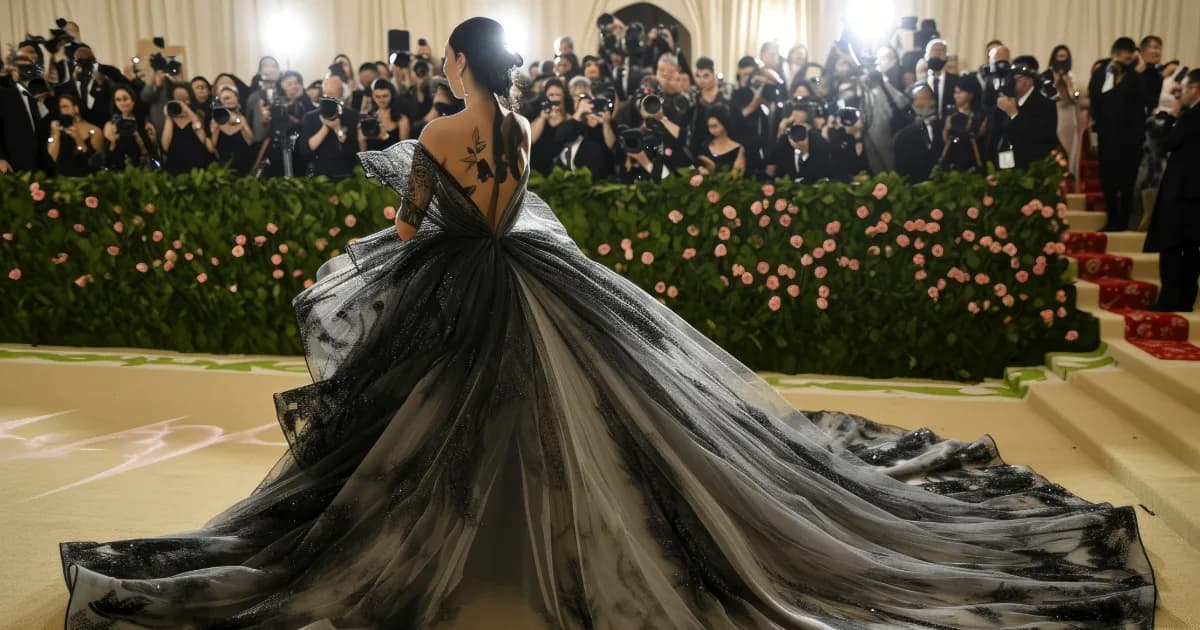
Cinema is one of the most powerful cultural storytellers in human history, shaping how people think, dream, and express themselves. Beyond narrative impact, films have consistently served as fashion’s most influential muse. Every frame, every costume, every character’s look becomes part of a visual archive that audiences draw inspiration from—whether consciously or subconsciously. As the world becomes more interconnected, cinema’s influence on fashion has only grown stronger, creating a global style language that transcends borders.
Across decades, movies have introduced iconic silhouettes, revived forgotten garments, and elevated everyday outfits into timeless references. Today, the relationship between cinema and fashion is more dynamic than ever, blending glamorous red-carpet aesthetics with practical clothing like the classic blazer or relaxed cotton trousers, both of which have become cinematic staples. Combined with the power of social media, film-driven trends now travel faster, reach wider, and evolve more creatively, shaping how modern consumers dress in real life.
Every film is constructed through layers—lighting, dialogue, performances—and costume design is one of the strongest layers that defines character identity. Fashion in cinema communicates instantly: a tailored suit signals authority, a flowing gown suggests elegance, and rugged denim portrays rebellion.
Costume design does more than dress actors. It shapes how viewers perceive an era, social class, personality, and emotional arc. Cinema’s visual language offers fashion designers and audiences a constant stream of ideas, whether it is the structured power looks of corporate characters, the slow elegance of period dramas, or the experimental silhouettes of futuristic films.
Cinema influences fashion through:
Distinctive styling choices that become cultural touchpoints
Reinvention of vintage trends through period storytelling
Iconic looks that become instantly recognisable
Character-driven fashion that audiences emotionally attach to
Costumes that set the tone for future runway and retail trends
This visual vocabulary reinforces fashion as not only clothing but identity, attitude, and aspiration.
The evolution of fashion trends from movie screens to real-life wardrobes happens because cinema creates emotional resonance. When viewers connect deeply with a character or storyline, they adopt the clothing associated with that identity. This is why certain film wardrobes go viral or become benchmarks of style excellence.
When viewers admire a character’s confidence, vulnerability, or charisma, they often express this admiration through clothing. A hero’s blazer, a heroine’s soft cotton trousers, or a villain’s bold outerwear become symbols of personality traits that audiences want to embody.
Films create idealised versions of modern life: dream jobs, glamorous events, exciting travels, stylish social circles. The fashion portrayed in these scenes becomes aspirational lifestyle signifiers that audiences replicate in their daily lives.
Unlike runway couture, movie costumes feel wearable because they are used in daily scenarios—offices, cafes, universities, parties—all settings audiences relate to. This relatability makes cinematic fashion easily adoptable.
Cinema creates a strong visual memory. A single frame can define a trend. Think of iconic scenes where fashion becomes the central storyteller—these images remain in public consciousness for years, influencing how society dresses.
Cinema is synonymous with glamour. From old Hollywood extravagance to contemporary red-carpet storytelling, films dictate how the world perceives luxury and elegance. Glamour in cinema is not always about extravagance; sometimes it is about effortless beauty, sophisticated silhouettes, and understated grace.
Reimagined gowns in modern couture collections
Sleek eveningwear inspired by character wardrobes
Tailored blazer looks are making their way into corporate culture
Classic cotton trousers styled as refined everyday apparel
Colour palettes inspired by film aesthetics
Glamour in movies often pushes boundaries, creating visionary styles that consumers later adopt in subtle, wearable forms.
In the digital age, social media has become cinema’s most powerful amplifier. Platforms like Instagram, TikTok, Pinterest, and X reshape how audiences consume movie fashion. Instead of waiting for magazines or fashion houses to highlight cinematic trends, users themselves decode, recreate, and popularise looks within hours of a film’s release.
Reel and TikTok creators break down film outfits into affordable recreations
Screenshots and mood boards circulate instantly
Influencers promote film-inspired styling challenges
Fashion brands release capsule collections influenced by movie aesthetics
Fans create viral hashtags around specific outfits
This rapid movement creates a fashion ecosystem where cinema and digital culture merge seamlessly, making film-driven trends more powerful than ever before.
Fashion designers constantly turn to cinema for inspiration, whether referencing old classics, contemporary films, or even animated features. Many runway shows today resemble cinematic productions, complete with theatrical lighting and character-based styling.
Silhouettes inspired by characters’ emotional journeys
Colour schemes drawn from film mood boards
Styling layers based on iconic movie wardrobes
Accessories influenced by distinctive cinematic eras
Revival of discontinued fabrics, patterns, and cuts
Fashion brands know the emotional power that cinema carries, and they use this connection to design collections that resonate deeply with consumers.
Behind every visually stunning film is a costume designer who shapes the wardrobe narrative. These designers are not only storytellers but cultural architects whose work inspires global fashion movements.
Curating aesthetic themes
Introducing unique garment combinations
Merging historical accuracy with contemporary appeal
Collaborating with luxury brands for custom costumes
Transforming simple clothing items into cultural icons
Costume designers bridge the world of narrative and fashion, ensuring that every outfit contributes to character depth while simultaneously influencing public style trends.
Two simple garments—blazers and cotton trousers—demonstrate how deeply cinema shapes modern wardrobe essentials.
The blazer has been used repeatedly to project power, sophistication, intellect, or boldness. Whether oversized, tailored, structured, or minimal, cinematic blazers have defined countless eras of fashion. From courtroom dramas to romantic films, the blazer remains a symbol of confidence and control.
Cotton trousers represent ease, comfort, and everyday elegance. Their appearance in films, especially in modern lifestyle stories, helps normalise comfort-first dressing. They transition effortlessly from casual scenes to formal sequences, showing versatility that audiences readily adopt.
These garments continue to move from reel to real wardrobes, shaping how people dress in professional and personal spaces.
Cinematic influence extends far beyond fashion. It shapes how people view beauty, grooming, confidence, relationships, and lifestyle. Movies are cultural mirrors, reflecting evolving societal values while subtly guiding public aesthetics.
Fashion inspired by cinema has also shaped consumer behaviour. Outfits worn by popular actors often become trendsetters within hours. E-commerce platforms experience spikes in sales of specific garments featured in films—blazers, cotton trousers, jackets, accessories, or even footwear.
Cinematic fashion also influences:
Wedding trends
Corporate dress codes
Street style movements
Makeup and grooming aesthetics
Accessory choices
Travel wardrobes
In essence, cinema becomes a cultural compass that directs how people dress and express themselves in modern life.