Loading...
02 January 2026
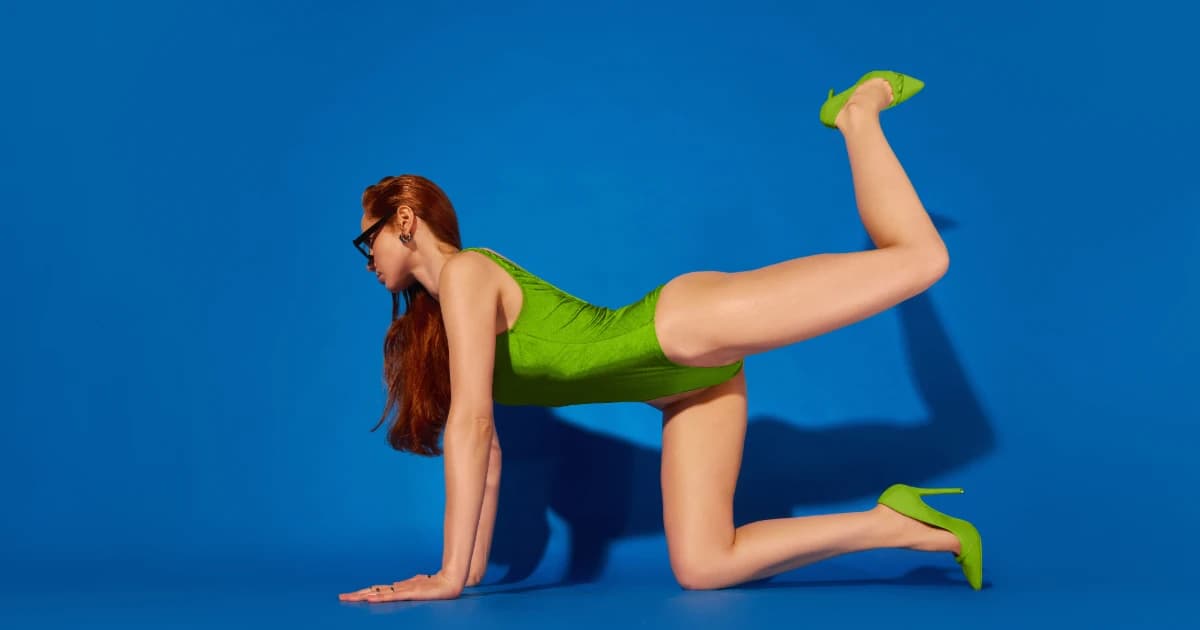
The modern fashion industry no longer separates physical fitness from personal style. Models, creatives, and professionals increasingly recognize that confidence begins long before clothing is selected—it starts with how the body feels, moves, and performs. Fitness has become a foundational element of presence, posture, and self-assurance, shaping not only physical appearance but also mindset and emotional balance.
In today’s interconnected world of fashion and wellness, workouts are not just about aesthetics. They support mental health, encourage discipline, and promote sustainable lifestyles that align with long-term professional growth. Confidence cultivated through physical activity translates directly into how individuals carry themselves on runways, in studios, and in everyday professional environments.
Fitness and fashion intersect through movement, structure, and self-expression. Clothing is designed to complement the body, but the body itself becomes a canvas shaped by strength, balance, and control. Models who maintain consistent fitness routines often display enhanced posture, fluid motion, and awareness of spatial presence—qualities highly valued in fashion.
Designers frequently observe how garments behave during movement. A well-trained body allows clothing to fall naturally, enhancing silhouettes and proportions. This relationship explains why many fashion professionals integrate fitness into daily routines as part of their professional development.
Fitness also encourages body awareness. Understanding how muscles engage, how joints align, and how breath supports motion improves modeling performance. This awareness elevates both runway execution and editorial expression.
Confidence is not an abstract trait; it is built through consistent effort and measurable progress. Fitness routines instill discipline, accountability, and self-trust. Each completed workout reinforces the belief that challenges can be met and overcome.
Physical training contributes to mental health by reducing stress, improving focus, and regulating emotional responses. These benefits extend beyond the gym, influencing decision-making, communication, and self-presentation. In fashion environments that demand resilience, this mental fortitude becomes invaluable.
Confidence rooted in physical well-being is sustainable. Unlike fleeting trends, it is reinforced daily through movement and care. This stability supports long-term advancement in competitive industries.
Traditional Fitness Foundations That Still Matter
Despite the rise of modern fitness trends, Traditional training methods remain essential. Practices such as bodyweight exercises, stretching routines, and controlled strength training form the backbone of physical conditioning.
Traditional workouts emphasize alignment, endurance, and gradual progression. These principles protect against injury and support longevity—crucial considerations for professionals whose bodies are central to their careers.
Examples of Traditional fitness foundations include:
Functional strength exercises
Mobility and flexibility training
Breath control and posture work
Balance and coordination drills
These methods enhance body control and promote symmetry, both of which are essential in fashion presentation.
Modern Workouts for Contemporary Lifestyles
While Traditional fitness provides structure, modern workouts introduce variety and adaptability. Contemporary routines reflect evolving lifestyles, incorporating flexibility to accommodate travel, irregular schedules, and diverse physical needs.
High-intensity interval training, Pilates-inspired conditioning, and dance-based workouts have gained popularity for their efficiency and expressive qualities. These methods support cardiovascular health while maintaining muscle tone and agility.
Modern fitness emphasizes personalization. Individuals select routines aligned with their goals, whether improving endurance, refining posture, or managing stress. This adaptability aligns well with fashion professionals navigating dynamic work environments.
Movement as a Tool for Mental Health
Movement is deeply connected to mental health. Physical activity stimulates neurochemical responses that improve mood and reduce anxiety. For individuals working in high-pressure creative fields, this regulation is essential.
Fitness routines provide structure amid uncertainty. Regular movement creates predictability, grounding individuals in routine even when professional demands fluctuate. This stability enhances emotional resilience and cognitive clarity.
Mindful movement practices—such as controlled stretching, breathing exercises, and slow strength work—offer additional mental health benefits. These routines encourage focus, reduce overstimulation, and support emotional balance.
Workouts That Enhance Posture and Presence
Posture is one of the most visible indicators of confidence. Fitness routines targeting core strength, back alignment, and shoulder mobility significantly improve posture.
Exercises that emphasize spinal support and muscular balance allow individuals to stand taller and move with intention. This physical presence influences how clothing fits and how individuals are perceived in fashion contexts.
Improved posture also supports breathing efficiency, which enhances vocal clarity and composure—valuable assets during castings, presentations, and professional interactions.
Strength Training Without Bulking
A common misconception is that strength training leads to unwanted bulk. In reality, controlled resistance training refines muscle tone and improves structural support.
Strength workouts tailored to endurance and stability promote lean muscle development. These routines support joint health and enhance movement precision, essential for runway and editorial work.
Balanced strength training contributes to body confidence. Feeling physically capable reinforces self-assurance, allowing individuals to engage fully in professional opportunities.
Flexibility and Mobility as Style Enhancers
Flexibility enhances movement range and reduces injury risk. Mobility training ensures joints function efficiently, supporting fluid transitions and expressive poses.
Stretching routines integrated into fitness programs help maintain muscle elasticity. This adaptability allows garments to move harmoniously with the body, enhancing visual impact in fashion presentations.
Flexibility training also supports recovery, enabling consistent performance across demanding schedules.
Fitness is an ongoing learning experience. Each workout offers insight into physical limits, strengths, and progress. This process mirrors professional development in fashion, where continuous learning shapes success.
Understanding form, technique, and recovery requires attention and patience. These qualities translate into other areas of professional life, reinforcing adaptability and self-awareness.
Fitness encourages reflective learning—evaluating progress, adjusting routines, and setting realistic goals. This mindset supports growth across creative and professional domains
The Influence of Fitness on Personal Lifestyles
Fitness routines shape daily lifestyles. Consistent movement influences sleep patterns, nutrition choices, and time management. These habits create a foundation for sustained performance.
Professionals who prioritize fitness often report improved energy levels and focus. These benefits support productivity and creative output, enhancing overall quality of life.
Balanced lifestyles that integrate fitness promote longevity in demanding industries. They encourage mindful decision-making and reduce burnout risk.
Fashion increasingly reflects fitness culture through design and functionality. Garments prioritize comfort, flexibility, and adaptability, aligning with active lifestyles.
Designers incorporate athletic elements into everyday fashion, blurring boundaries between performance wear and style. This evolution acknowledges the importance of movement and well-being in modern life.
Models who embody fitness culture align naturally with this aesthetic shift, enhancing brand relevance and professional appeal.
Workouts That Support Career Advancement
Physical confidence influences professional advancement. Individuals who move confidently project competence and reliability—traits valued across industries.
Fitness routines support stamina and focus, enabling consistent performance during long workdays and travel schedules. This reliability enhances professional reputation and opportunity access.
Advancement often depends on sustained presence. Fitness supports this presence by maintaining energy, posture, and resilience over time.
Group Fitness and Social Confidence
Group workouts offer social engagement alongside physical training. Participating in shared routines builds communication skills and fosters community.
These environments support accountability and motivation, reinforcing commitment to wellness. Social confidence developed in group settings transfers to professional interactions.
Collaborative fitness experiences also reflect shared lifestyles, strengthening networks within creative industries
Mind-Body Integration Through Movement
Effective fitness routines integrate mind and body. Conscious movement enhances awareness and reduces reactive behavior.
This integration supports emotional regulation, improving responses to stress and criticism—common experiences in fashion environments.
Mind-body connection fosters grounded confidence, enabling individuals to navigate professional challenges with composure.
Balancing Traditional training principles with modern innovation ensures sustainability. Respecting foundational techniques while embracing new methods creates a comprehensive approach to fitness.
This balance mirrors broader professional growth—honoring established practices while adapting to change. Such adaptability supports long-term relevance and confidence.
Individuals who integrate both perspectives cultivate resilience and versatility, enhancing personal and professional outcomes.
Fitness is an investment in self-development. Time spent training yields returns in confidence, mental clarity, and physical capability.
This investment supports long-term health, reducing the risk of injury and burnout. It also enhances quality of life, influencing both personal and professional satisfaction.
Consistent fitness routines reinforce self-worth, reinforcing confidence independent of external validation.
Sustaining Motivation Through Purpose
Motivation thrives when fitness aligns with purpose. Understanding how workouts support mental health, confidence, and professional presence reinforces commitment.
Purposeful training focuses on long-term well-being rather than short-term appearance. This perspective encourages consistency and patience.
Aligning fitness goals with personal values ensures sustainability and fulfillment.
Integrating Fitness Into Everyday Fashion Culture
Fitness is no longer separate from fashion culture—it is embedded within it. Activewear influences design aesthetics, while wellness values shape brand narratives.
Individuals who embody this integration represent modern lifestyles that prioritize health, expression, and balance.
Confidence cultivated through fitness enhances how fashion is worn and perceived, reinforcing authenticity and presence
Confidence evolves through consistent practice and self-care. Fitness provides a reliable framework for cultivating this confidence over time.
Each workout reinforces physical capability and emotional resilience. This reinforcement supports professional performance and personal satisfaction.
As fashion continues to embrace wellness, fitness remains a cornerstone of confident self-expression and sustainable success.