Loading...
11 August 2026
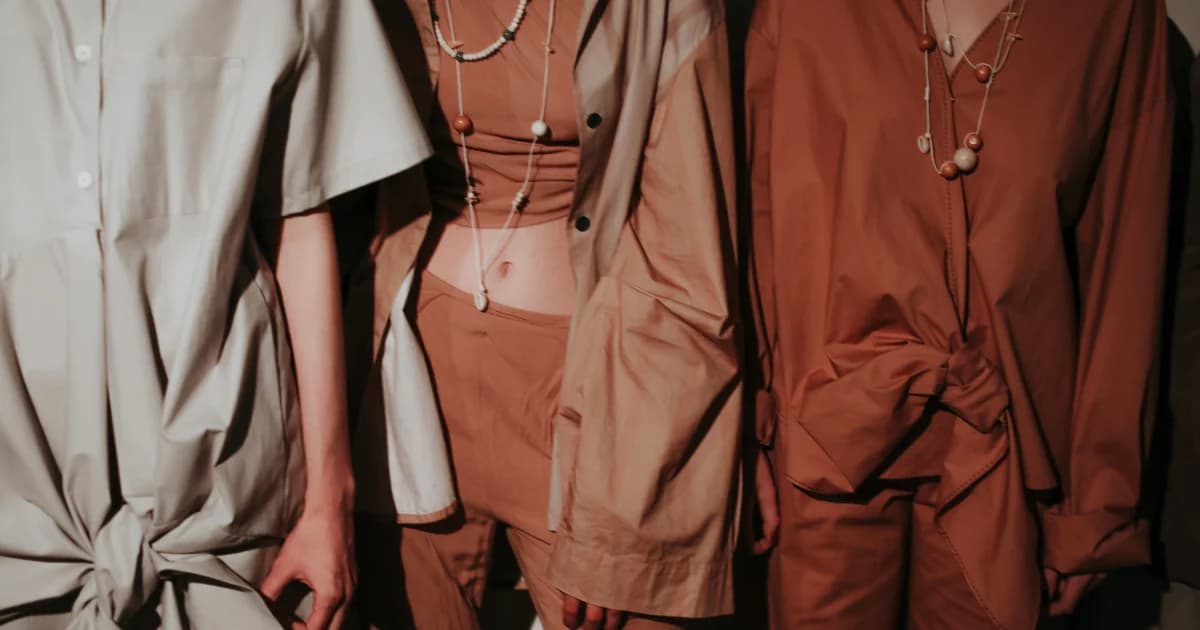
Fashion in 2026 is becoming less about chasing every new aesthetic and more about understanding what deserves a place in the wardrobe. Across global markets, shoppers are becoming more selective about what they buy, while designers are finding new ways to balance expression, practicality, and individuality.
Three movements particularly capture this shift: the evolution of bohemian dressing into more polished, grown-up silhouettes, a stronger focus on value and mindful purchasing, and the growing role of artificial intelligence in fashion discovery and shopping. Together, they reflect a fashion consumer who wants style, but also wants purpose behind the purchase.
Bohemian fashion has always been associated with freedom, fluidity, and an effortless relationship with clothing. In 2026, however, the familiar boho aesthetic is taking on a more sophisticated personality.
The new “Grown-Up Boho” is less about piling on fringe, florals, and flowing layers and more about creating balance. Relaxed silhouettes are being paired with polished tailoring, refined accessories, and elevated fabrics. Flowing skirts can sit alongside structured jackets, while soft blouses can be styled with tailored trousers or sleek boots.
Recent 2026 fashion coverage has highlighted the return of bohemian influences through slouchy boots, eclectic layering, and more expressive interpretations of bohemia.
The appeal lies in its versatility. Instead of looking like a costume inspired by a particular era, modern boho can become part of an everyday wardrobe. A flowing maxi dress might be worn with a structured leather jacket. A crochet top can be balanced with tailored trousers. A printed skirt can feel contemporary when paired with minimalist accessories.
This evolution also allows diverse personal styles to coexist within one trend. There is room for romantic dressing, Western influences, artisanal details, relaxed tailoring, and vintage references without requiring a head-to-toe commitment.
The result is bohemian fashion that feels mature, intentional, and remarkably wearable.
One of the biggest changes in 2026 is happening beyond the runway. Consumers are becoming increasingly conscious of what their purchases offer in return for their cost.
Value is no longer simply about finding the lowest price. It can mean quality, versatility, longevity, craftsmanship, resale potential, or the number of ways a garment can be styled.
Research into the 2026 fashion landscape points to a consumer who can be simultaneously frugal and willing to spend selectively.
This is encouraging a more thoughtful approach to fashion. Rather than buying five pieces because they are trending, shoppers may invest in one well-designed jacket that works across several outfits. A good pair of trousers may be judged by how often they can be worn, not simply by how they look on a product page.
The growing interest in resale further strengthens this mindset. Vogue recently reported that almost half of shoppers consider resale value before buying, while demand for vintage pieces has increased substantially since 2020.
This creates an interesting shift in the relationship between fashion and consumption. A purchase can now be considered through its entire lifecycle: how often it will be worn, how long it will last, whether it can be resold, and whether it will continue to feel relevant beyond one season.
Mindful purchasing does not necessarily mean abandoning trends. Instead, it encourages consumers to be more selective about which trends genuinely fit their lives.
Before making a purchase, shoppers are increasingly asking practical questions: Will I wear this often? Does it work with what I already own? Is the quality worth the price? Can I style it in more than one way?
This creates a wardrobe that feels more personal and less dictated by the fashion cycle.
It also explains the continued appeal of timeless pieces, secondhand fashion, and elevated basics. A carefully selected vintage jacket, for example, can provide more individuality than a mass-produced trend piece while adding character to an otherwise simple outfit.
Fashion brands are responding to this change by emphasizing craftsmanship, versatility, and storytelling. The strongest products increasingly need to offer more than visual appeal. They need to give consumers a reason to choose them.
Artificial intelligence is becoming one of the most significant forces shaping fashion retail in 2026.
Instead of searching through hundreds of product pages, shoppers can increasingly describe what they want in natural language. They can ask for an outfit for a specific occasion, compare products, discover alternatives within a budget, or use an image to find similar pieces.
Google has expanded AI-powered shopping experiences in India, including conversational shopping, visual product discovery, comparisons, and virtual try-on features. Amazon has also introduced AI-powered fashion discovery tools that allow shoppers to request personalized recommendations or find similar products through images.
This is changing the role of technology in fashion. AI is no longer simply helping consumers find a product. It is increasingly helping them understand what they might want in the first place.
Imagine seeing an outfit on social media and being able to identify several pieces from the image. Or describing a wedding guest outfit by colour, silhouette, budget, and dress code and receiving curated suggestions. The shopping journey becomes less about scrolling and more about conversation.
The traditional online shopping journey often begins with a keyword. In 2026, that process is becoming much more fluid.
AI can interpret preferences such as “minimal but feminine,” “relaxed tailoring for summer,” or “boho-inspired outfits that look polished.” It can then narrow down options based on price, style, reviews, and other criteria.
This is particularly important as shoppers become overwhelmed by choice. More products do not necessarily create a better shopping experience. Better curation can.
Research from The Harris Poll found that consumers are generally comfortable allowing AI to help narrow their choices, while many still want to make the final purchasing decision themselves.
That distinction matters. The future of AI-assisted fashion shopping is unlikely to eliminate human taste. Instead, it may make it easier for consumers to express and refine that taste.
The most interesting thing about these trends is that they are connected.
Grown-Up Boho reflects a desire for individuality without sacrificing sophistication. Mindful purchasing reflects a desire for value without giving up personal style. AI-assisted shopping reflects a desire for convenience without being overwhelmed by endless choice.
Together, they point toward a fashion landscape that is becoming more considered.
Consumers still want novelty, but they are becoming more selective about it. They still want beautiful clothes, but increasingly want those clothes to earn their place in the wardrobe. And while technology is becoming more involved in fashion discovery, the final decision still comes down to something deeply human: whether a piece feels right.
In 2026, the future of fashion may not belong to those who buy the most or follow every trend. It may belong to those who know their style well enough to choose thoughtfully, embrace trends selectively, and use technology as a tool rather than a substitute for personal taste.
The result is fashion that feels more intelligent, more individual, and, perhaps most importantly, more connected to the way people actually want to live.