Loading...
04 September 2026
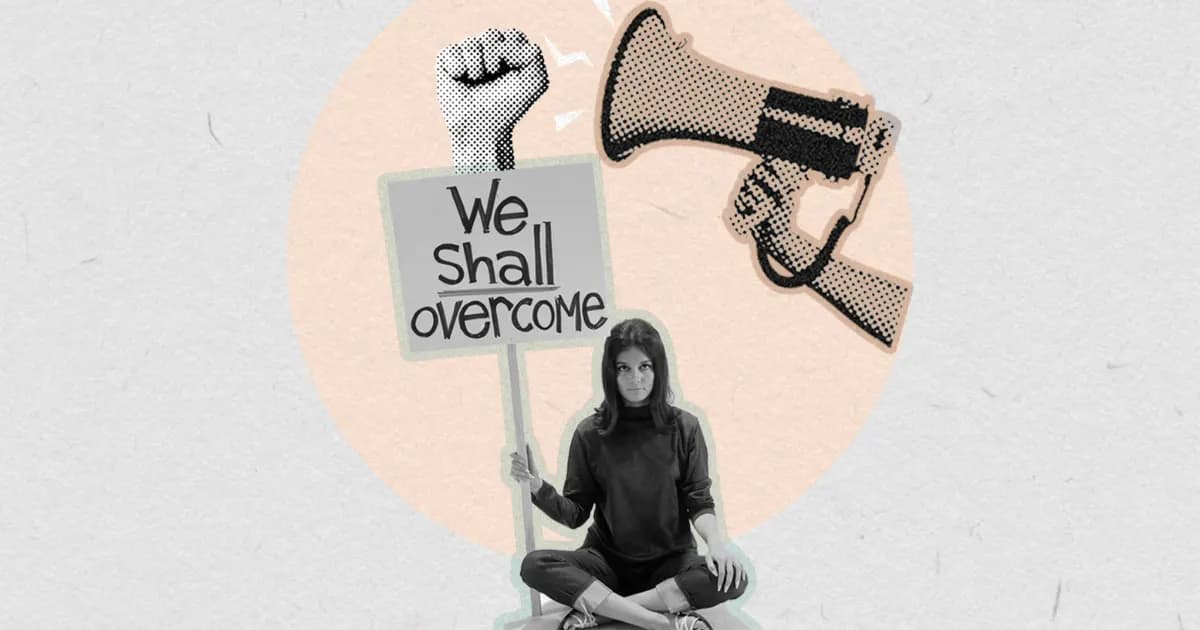
Gloria Steinem is widely recognised as one of the most influential feminist voices of the modern era. As a writer, journalist, political activist, and feminist organiser, she has spent decades bringing attention to gender equality, women's rights, social justice, and the experiences of women whose voices were often overlooked.
Her work has extended far beyond journalism. Through writing, public speaking, organising, and community building, Steinem helped create platforms where important conversations about gender, equality, race, violence, and social change could take place. Her career demonstrates how consistent advocacy can develop into lasting cultural influence.
Gloria Steinem was born in Toledo, Ohio, in 1934. Her early life was shaped by travel and exposure to different communities. These experiences later influenced her interest in understanding people, cultures, and social issues.
She attended Smith College and graduated in 1956. After college, she received a Chester Bowles Fellowship that allowed her to spend two years in India. Her experiences there exposed her to new forms of activism and influenced her understanding of nonviolent social change.
This period helped shape the perspective she would eventually bring to journalism and activism. Rather than viewing social issues from a distance, Steinem increasingly became interested in listening to people's experiences and understanding the systems that affected their lives.
Steinem began her professional career as a writer and journalist during a period when women in the industry frequently faced discrimination and limited opportunities.
In 1968, she helped found New York magazine, where she worked as a political columnist and feature writer. Her journalism allowed her to explore subjects beyond conventional women's magazine content and engage with political and cultural issues.
Her writing career also included publications such as Esquire and The New York Times Magazine. Over time, journalism became an important way for her to connect personal experiences with larger social questions.
Steinem's approach demonstrated the importance of consistency in using journalism to challenge established ideas. Her reporting and essays helped bring issues affecting women into wider public conversations.
One of the most defining moments in Steinem's career came with the creation of Ms. Magazine.
The publication's preview issue appeared in 1971, and Steinem became one of its most recognisable founders. The magazine created space for discussions about women's rights, politics, work, family, sexuality, and social inequality.
At the time, mainstream women's magazines often focused heavily on beauty, fashion, relationships, and domestic life. Ms. took a different approach by treating women as readers with political, professional, and social concerns. Smithsonian Magazine describes the publication as challenging traditional expectations surrounding women's magazines.
The magazine became more than a publication. It became part of a broader feminist movement and helped bring previously private experiences into public conversations.
Steinem's activism has covered a wide range of issues connected to equality and social justice. She has worked with numerous organisations and helped establish several initiatives focused on women's rights and representation.
She was a co-convener of the National Women's Political Caucus and helped establish the Ms. Foundation for Women. She later became one of the founders of the Women's Media Center, which works to improve the visibility and representation of women and girls in media.
Her activism also reflects the importance of networking and collective action. Rather than treating social change as the responsibility of one individual, Steinem has consistently worked alongside writers, organisers, activists, community leaders, and other advocates.
This collaborative approach has helped connect different movements and generations of activists around shared concerns.
A major part of Steinem's influence has come through her ability to turn personal experiences into wider conversations.
Her work has frequently focused on listening to people's stories and connecting individual experiences to broader social structures. This approach can make complicated issues easier to understand because it places real people at the centre of the discussion.
Steinem has also travelled extensively and spoken with people from different communities. Her book My Life on the Road reflects on how travel, encounters, and listening influenced her understanding of activism and leadership.
For Steinem, conversations are not simply about exchanging opinions. They can help people recognise shared experiences and understand perspectives different from their own.
Alongside journalism and activism, Steinem has built an extensive career as an author.
Her books include My Life on the Road, Moving Beyond Words, Revolution from Within, and Outrageous Acts and Everyday Rebellions. Her writing has explored feminism, identity, equality, politics, personal development, and social change.
Her written work has also contributed to her recognition as a major feminist thinker. Rather than limiting her work to one period or issue, she has continued writing and speaking about changing social conditions throughout her career.
Steinem's work has received extensive recognition. She was inducted into the National Women's Hall of Fame in 1993, which identifies her as a feminist leader, writer, and social activist.
In 2013, she received the Presidential Medal of Freedom from President Barack Obama, one of the highest civilian honours in the United States. She has also received numerous journalism and humanitarian awards throughout her career.
These honours represent recognition of decades of writing, organising, advocacy, and public engagement. However, her influence extends beyond awards. Her most significant contribution may be the platforms and conversations she helped create for future generations.
Gloria Steinem's legacy is closely connected to the evolution of modern feminism and the broader fight for gender equality.
Her career shows how journalism can become a tool for advocacy, how magazines can create communities, and how conversations can influence social attitudes. Her work also demonstrates that movements are built through long-term participation rather than a single campaign or moment.
Today, Steinem continues to be associated with feminist organising, writing, public speaking, and efforts to support equality. Her career has influenced generations of women and activists and continues to be studied as part of women's history and social movements.
Her story offers an important reminder that meaningful change often requires patience, collaboration, and consistency. Recognition may come later, but sustained work can leave an impact that continues well beyond one person's career.
Gloria Steinem's relevance comes from more than her historical role in feminism. Her work illustrates how individuals can use writing, communication, networking, and collective action to challenge established ideas.
Her career also highlights the relationship between personal stories and social movements. When individual experiences are brought into public conversations, they can help people recognise patterns that might otherwise remain invisible.
For today's activists, writers, journalists, and advocates, Steinem's journey remains an example of how persistence and thoughtful communication can contribute to lasting social change. Her influence can be seen not only through the organisations she helped establish, but also through the generations of activists and movements that followed.