Loading...
04 August 2026
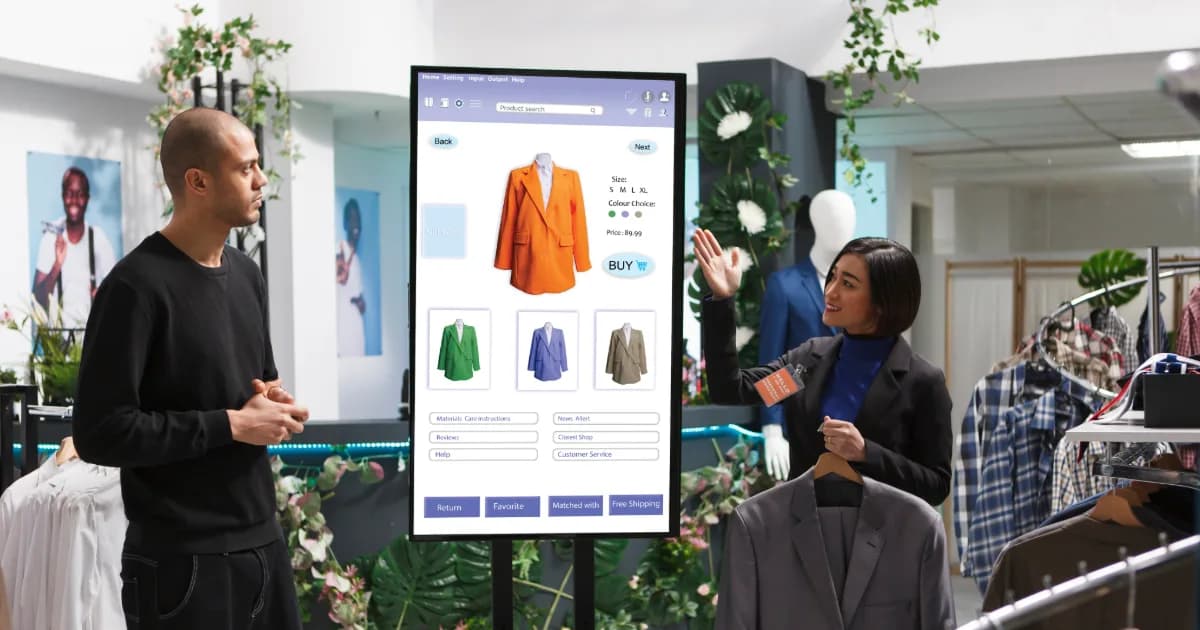
The world of fashion commercials is so different these days. They are also the reason for people's fashion choices, dreams of having things, and what brands fit better into their emotions. A good commercial can launch new concepts, change trends, and revolutionize trends that were nonexistent. Brands and their commercial stories are expensive, from luxury fashion houses to emerging designers, they spend a lot of money on commercial storytelling, and the results are lasting impressions that last beyond just a campaign. By that time, commercials have already had an impact on cutting into audiences and influencing purchasing habits, as well as helping to inform cultural discussions about fashion on TV, streaming, social, and digital platforms, and in print. From designers to retailers, creators to consumers: their impact is felt by all. This is why they are one of the most powerful influencers of today's fashion. Fashion Commercials make a Trend before it makes it to the market There are times, however, when fashion does not fall from the sky. The majority of successful trends start with a well-developed campaign, launching new colors, new silhouettes, new fabrics, and new styling ideas, long before the product itself actually begins to be stocked. Commercials are the first way the public sees a fashion show and previews what is in store for the season. Creative directors partner with the other departments, such as photographer/filmmakers, stylists, and models, to create campaigns that convey a cohesive visual jargon. From clothes to lighting to soundtrack, it's all planned and calculated to generate anticipation and excitement. These campaigns often start with consumers talking about them weeks before it's time to collect. People share on social media, fashion aficionados compose their own fashion guides, and retailers compile similar collections to meet the demand. It is a process showcasing the influence that collaborative efforts of creatives can have on commercial campaigns and creating memorable fashion moments. Well told stories can also enhance editorial content. Magazines and online content can extend and embellish campaign stories and introduce readers to the discussion of style. Consumers' choices of products are influenced by visual stories. The key to a successful fashion commercial is not displaying clothes, it's telling a story. Today's audience relates to emotions, experience, and lifestyles rather than product attributes. Commercials often display freedom, confidence, elegance, adventure, and self-expression. These emotional scenarios heighten viewers' imaginations, so that the act of buying clothing is from a personal viewpoint rather than being a transaction. The companies can do this using a combination of cinematographic direction, intelligent design, emotive performances, and iconic shooting locations. All these comprise completely engaging experiences that stick with you. Over time, the audience comes to identify a style with positive emotions and starts to apply this style to their daily life patterns. These preferences also play a role in the overall market demand in the long term and affect seasonal purchase patterns. Ensuring consistency throughout various campaigns enhances brand visibility and consistency. Simultaneously, the extraordinary skills of the artists make each commercial so distinctive that it is able to draw the attention of the audience in an extremely popular and competitive digital marketing landscape. Relationships with celebrities and influencers can help drive trends. Traditionally, the appearance of a celebrity in a fashion advert is vital to its success, but nowadays, this role has been adapted to allow the likes of influencers, digital creators, athletes, musicians and cultural icons to take part. Recurring faces tend to make news in fashion commercials within hours of being shot. These ambassadors come bearing their own raeways, and they represent an existing-base audience that holds trust in their personal style and buying decisions. Popular faces styled with specific collections give the products added awareness and sales orders. Modern campaigns go beyond television to an extended experience. Behind the scenes videos, interviews, short-form and live event coverage provide extra interaction around the campaign for audiences. This multi-layered strategy ensures that trends can swiftly cascade across a range of platforms and engage consumers from across the globe and across various groups. More and more consumers recreate styles in commercial fashion that are featured on the market and in campaigns and make the styles that are suitable for everyday use. The connection between entertainment, fashion, and digital media is continually expanding, failing to distinguish the line between advertising and cultural influence. Global Campaigns’ Local Impact on Regional Fashion Markets. Fashion ads are now sent to audiences in seconds; it can span to other continents very soon. A campaign in Paris, Milan, London, New York, or Tokyo can make travel sales mere smoke and mirrors in practically any other country around the world. This level of access has fostered a trend of brands developing campaigns on a global scale that are also relevant locally. Designers may include a variety of casts, locations, and themes that resonate on a global level. Regional retailers are very selective about whether they want to experience these campaigns abroad and intend to buy what they're seeing. If a big commercial release has a strong color palette, and accessories, fabrics, and styling are similar, you will find them within the local market just days after the original release. Meanwhile, local styles are doing more than making an impression in global campaigns. Those local textiles and cultural aesthetics are now feted in international fashion advertising – and enriched with traditional craftsmanship. Fashion diversity is reinforced, and local trends are incorporated into the global context of fashion, with these cross cultural inspirations. The internet, among the Digital Platforms, amps up the effect of Fashion Commercials. The digitisation of the media has greatly improved the reach and life of fashion commercials. Rather than using only television to broadcast campaign messages, brands are using social media, streaming sites, fashion websites, fashion magazines, and video sharing sites to spread that messaging. There are differences in engagement that each platform allows. Campaign aesthetics are commented on, shared, remixed, reacted to, and interpreted by viewers. UGC allows them to make their campaigns last a lot longer than they originally intended. Short form videos have been especially impactful, as they enable brands to showcase specific moments from a campaign, styling tricks, and individual looks in highly shareable formats. Algorithms also help the success of your campaign and can suggest it to audiences who are interested in fashion, luxury, beauty, or lifestyle content. As more people become engaged, fashion commercials turn from individual ads to cultural events. Digital distribution also offers a wealth of performance insights. Brands can gauge audience responses, engagement time and location, and other regional data and make future campaigns even more effective. The fashion commercial's goal is to build long-term brand identity. Although immediate sales can be important, many fashion commercials are geared towards brand building as a higher priority. Each campaign helps to build a campaign narrative that is understood over time. Memorable creative direction is significant for all luxury brands, emerging and independent designers. The visual language is used consistently, giving a sense of what a brand is to the consumer beyond the product itself. This identity prevails at the level of the audience and is determinant to customer loyalty, as audiences start developing their bond with values instead of collections. Commercials convey messages of sustainability, craftsmanship, innovation, elegance, or youth culture, whatever the brand is concerned about, any of these is done visually. Campaigns that are successful can help to establish themselves as a reference point in the fashion world, motivating ad strategies, and reinforcing brand positioning in general. With the connection between commercial campaigns and brand recognition, and the link between brand recognition and customer trust, the value of fashion advertising in the industry is capable of being seen in a fresh light. Fashion commercials are still evolving with the advancements of technology and changing demands of consumers. An artificial intelligence powered suite of tools, a virtual production set, augmented reality, immersive experiences, and interactive shopping features are changing the future of campaigns. Expectations of authenticity are growing, as well as visual excellence from consumers. Brands that tell meaningful stories using innovative production will be successful in developing relationships with modern audiences.