Loading...
26 August 2025
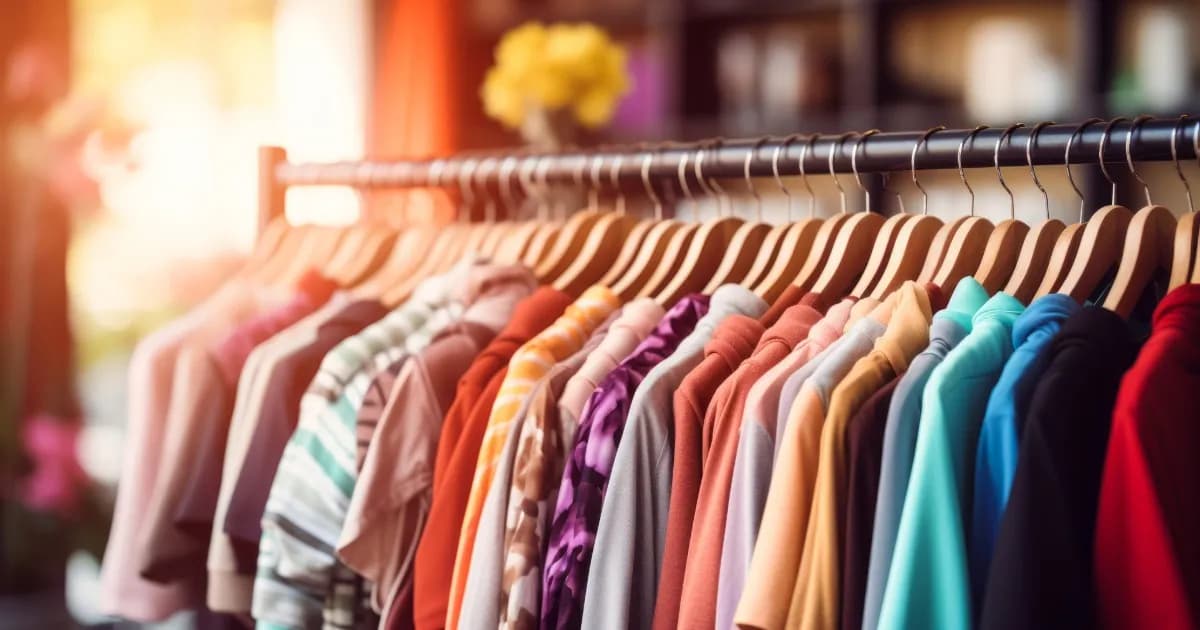
Fashion is not just about following trends—it’s about expressing your personality and creativity. One of the best ways to stand out in a crowd is by customizing your clothes. Whether you want to breathe new life into old garments, create a signature style, or make your wardrobe more sustainable, clothing customization allows you to turn ordinary pieces into extraordinary ensembles.
In this blog, we’ll explore practical, creative, and stylish ways to customize your clothes, step by step, so you can achieve a unique and personalized look that truly represents you.
Before diving into techniques, it’s important to understand why customization matters: Individuality: Customized clothing ensures no one else will have the exact same outfit. Sustainability: Upcycling old or unused garments helps reduce textile waste and promotes eco-friendly fashion. Cost-Effective: Instead of constantly buying new clothes, you can revamp what you already own. Creative Expression: Customization allows you to showcase your personality and artistic flair through your clothing. Fashion is ultimately about self-expression. By customizing your wardrobe, you’re taking control of your style and making every outfit truly yours. In addition, customizing clothes allows you to experiment and take risks without feeling restricted by conventional fashion norms. It encourages you to develop a signature style that reflects your mood, personality, and lifestyle. One of the simplest and most impactful ways to customize your clothes is through fabric painting or dyeing. These methods allow you to create colors, patterns, or designs that are entirely unique. Use fabric paints or markers to create detailed designs like florals, geometric patterns, or abstract art. Stencils can help achieve symmetrical or repeated designs for a polished look. For a subtle effect, paint just the cuffs, hemline, or collar for a customized accent. Tie-dye: A fun, retro-inspired method that’s trending again in modern fashion. Ombre dye: Gradually fades one color into another for a soft, designer-inspired effect. Dip-dye: Perfect for transforming plain skirts, dresses, or T-shirts into eye-catching pieces. You can also mix painting and dyeing techniques for a truly unique piece. For instance, create a tie-dye background and layer hand-painted floral designs over it. This creates depth, dimension, and a personal touch that no store-bought garment can replicate. Embroidery and patchwork are classic ways to add texture, personality, and dimension to your clothing. You can either hand-stitch or use iron-on patches to elevate your garments. Add floral patterns to sleeves, collars, or pockets. Stitch initials, quotes, or symbols for a personal touch. Combine different threads and textures for a more artistic, high-fashion feel. Use fabric scraps from old garments to create layered patches on jackets, jeans, or bags. Iron-on patches featuring symbols, pop culture references, or motifs can instantly refresh a plain garment. Mix sizes and colors for a playful, eclectic style. Embroidery and patchwork allow you to combine craftsmanship with creativity, turning ordinary pieces into standout fashion statements. Adding small, subtle details like stitching patterns along a seam or sleeve can make your garment feel designer-quality and curated. Sometimes, simply reshaping or layering your clothes can make them runway-ready. Crop oversized T-shirts or sweatshirts for a modern silhouette. Add slits to skirts or dresses for a dramatic effect. Reshape necklines or sleeves for an edgy, personalized look. Layer a sheer blouse under a sleeveless dress for depth and dimension. Pair oversized blazers with fitted tops to balance proportions. Mix textures like leather, denim, and silk for a sophisticated layered outfit. Mark areas with fabric chalk before cutting, and consider finishing raw edges with stitching to prevent fraying. Layering also allows you to create multiple outfits from a single piece, making your wardrobe more versatile and sustainable. Accessories can transform the simplest clothes into statement pieces. Add studs or rhinestones to jackets or jeans for a punk or glam vibe. Sew ribbons, lace, or fringe onto sleeves, hems, or collars. Attach buttons, brooches, or pins as decorative focal points. Even subtle embellishments, like a row of decorative buttons or a sewn-on charm, can elevate the garment’s overall appearance. Accessories can also reflect seasonal trends, allowing your customized clothes to feel current while remaining unique. If sewing isn’t your thing, heat transfers or iron-on designs are a great alternative. Use pre-made iron-on patches or vinyl decals for jackets, shirts, and bags. Create custom designs with printable iron-on sheets for a personal touch. Experiment with placement—chest, sleeves, back, or hemline—to make your design unique. Heat transfers allow you to add bold graphics or personal logos quickly, making your clothes feel brand-new. This technique is ideal for people who want fast customization without the sewing process. Distressing adds edginess and character to garments. This method works well for jeans, jackets, T-shirts, and even sweaters. Use sandpaper or a pumice stone to soften edges or add worn areas. Make small cuts or holes in strategic spots for a casual, lived-in look. Combine bleaching with distressing for vintage effects. Distressing is particularly effective for creating a street-style aesthetic. Combined with embroidery or patches, it creates a layered and visually interesting look. Sometimes, creativity in styling makes an outfit unique even without permanent customization. Layer a cropped vest over a blouse or dress for a designer-inspired look. Mix textures like cotton, silk, leather, and knitwear to add dimension. Pair unexpected prints (stripes with florals, plaid with abstract designs) for a bold statement. Combining pieces allows you to experiment with proportions and textures, giving your wardrobe a sense of originality while maximizing the use of your existing clothes. Adding names, initials, or favorite graphics is a trending customization method. Embroider your initials on collars, cuffs, or pockets. Use fabric markers or paints to create custom phrases, quotes, or doodles. Apply heat-transfer vinyl designs for bold graphics. Personalization ensures that your clothing is truly one-of-a-kind, representing your unique style and personality. Customization is also an excellent opportunity for upcycling old garments, giving them a second life instead of discarding them. Turn old T-shirts into crop tops or summer dresses. Combine old shirts to create patchwork skirts, jackets, or bags. Embellish old jeans with embroidery, distressing, or painted details. Add lace, fringe, or fabric scraps to refresh outdated garments. Upcycling not only makes your clothes unique but also promotes sustainability, a key aspect of modern fashion. Customized clothing often requires special care to maintain quality and longevity: Wash gently, preferably inside out. Avoid high heat for iron-on designs or embellished areas. Spot-clean delicate embroidery or patches. Store customized pieces carefully to avoid snagging or damage. No matter how well customized your clothes are, the way you wear them makes the biggest difference. Confidence transforms a simple T-shirt with patches into a fashion statement. Stand tall and maintain good posture. Experiment with poses for social media or photos. Own your style—personalized clothing is meant to reflect your personality. Confidence is the finishing touch that elevates customized clothes from ordinary to extraordinary. Customizing your clothes is a fun, creative, and sustainable way to elevate your wardrobe. From painting, dyeing, embroidery, and distressing to layering, embellishing, and personalizing, the possibilities are endless. Whether you’re revamping old garments or enhancing new basics, customization allows you to create outfits that are truly unique and expressive. Remember, fashion is not just about trends—it’s about showcasing your individuality, creativity, and style. With these techniques, your wardrobe becomes a canvas for originality and artistry, and every outfit becomes a reflection of who you are. By combining different methods, layering techniques, and personalized touches, you can transform even the simplest garments into designer-inspired pieces that feel both modern and personal.1. Why Customize Your Clothes?
2. Fabric Painting and Dyeing
Fabric Painting Techniques
Fabric Dyeing Techniques
3. Embroidery and Patchwork
Ideas for Embroidery
Ideas for Patchwork
4. Cutting, Reshaping, and Layering
Cutting and Reshaping
Layering Ideas
5. Adding Accessories and Embellishments
Ideas
6. Heat Transfers and Iron-On Designs
How to Customize With Heat Transfers
7. Distressing and Aging Clothes
Distressing Techniques
8. Combining Pieces Creatively
Ideas
9. Personalization Through Graphics
Ideas
10. Upcycling Old Clothes
Ideas
11. Care Tips for Customized Clothes
12. Confidence: Your Ultimate Accessory
Tips
Final Thoughts