Loading...
19 September 2025
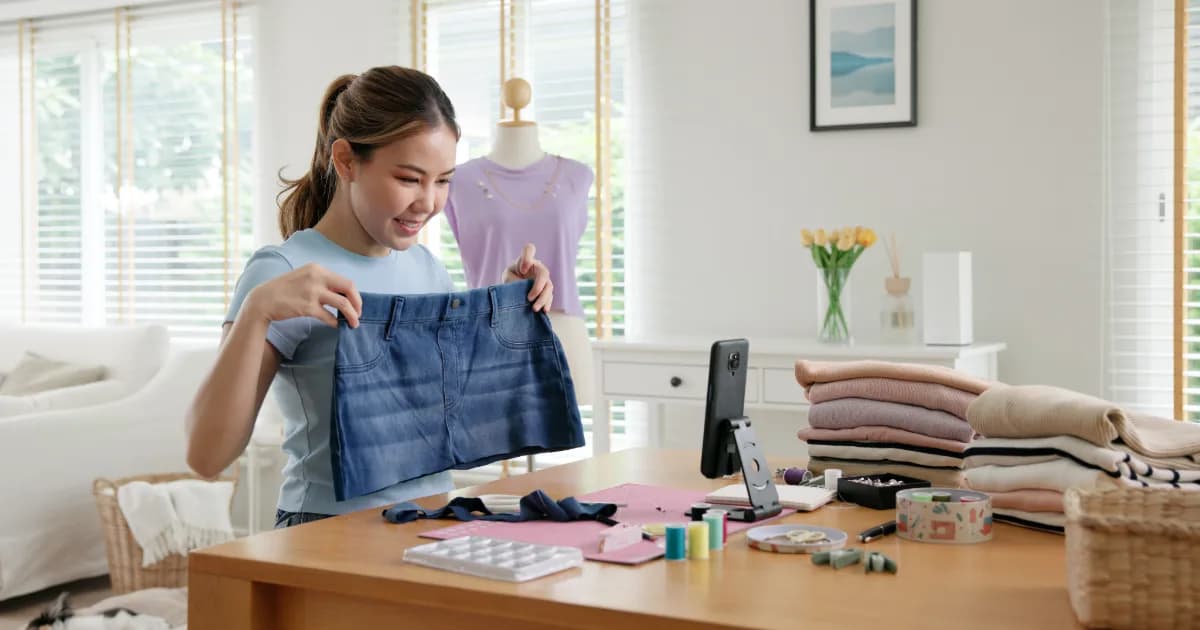
The Shift from Runway to Revenue: A New Era of the Model-Entrepreneur Global Fashion Ecosystem. The model-entrepreneur global fashion ecosystem has evolved dramatically, and one of the most remarkable shifts is how professional models have transitioned from simply showcasing brands to building their own business empires. As the creator economy expands, models are uniquely positioned to leverage their influence, audience, and aesthetic power to create commercially strong businesses.
This new wave—known as the Influencer Economy 2.0—is redefining how models operate in the entertainment and fashion world. Instead of relying solely on runway appearances or magazine features, they are becoming brand owners, strategists, and digital-first entrepreneurs who build long-term value. This shift is driven not only by fame but by an understanding of globalisation, consumer behavior, and modern digital tools.
What sets today’s model-entrepreneurs apart is their strategic use of personal branding. A model’s social media profile is now a monetisable asset, capable of generating revenue far beyond traditional modeling fees. Their ability to communicate visually gives them a natural advantage in crafting brand stories.
Models today are:
Building their own product lines
Launching innovative streetwear labels
Creating beauty and wellness brands
Entering into commercial partnerships with global corporations
Monetizing their reach through affiliate programs, online courses, and digital tools
Their followers trust their style, choices, and opinions—making them powerful retail-driving forces in the modern fashion landscape.
In Influencer Economy 2.0, models understand that influence is currency. By diversifying their income streams, they build sustainable business portfolios that go beyond trends or seasonal work.
Key revenue pathways include:
Instead of one-time campaigns, models negotiate strategic partnerships that allow them to co-design collections, participate in product development, or take equity stakes in companies. These collaborations create consistent revenue and strengthen their role as industry contributors.
From skincare to jewelry to sustainable accessories, models are launching commercial ventures that align with their personal identity. Their public image becomes an instant marketing tool.
With the rise of the digital economy, models are stepping into NFTs, digital clothing, and avatar styling—especially as virtual fashion becomes a significant trend in global markets.
These ventures not only diversify income but also position models as frontrunners in tech-enabled entrepreneurship.
One of the most successful categories for model-led brands is innovative streetwear. Streetwear has global appeal, connects strongly with youth culture, and allows models to express individuality. With their understanding of trends, visuals, and brand communication, models have become key players in shaping the future of modern streetwear.
Elements of their success include:
Authenticity-driven designs inspired by personal style
Limited edition drops that enhance brand exclusivity
D2C business models offering control over customer experience
Influencer-driven marketing that reduces advertising costs
Cross-cultural influences enabled by globalisation
Many model-founded streetwear labels use sustainable materials, gender-fluid silhouettes, and experimental aesthetics, making their brands popular among Gen Z and Millennials.
Earlier, a model’s success depended heavily on regional exposure and agency representation. Today, the influence of globalisation allows models to tap into multiple markets without geographical limitations.
Thanks to social media, a model in Mumbai can sell to customers in New York, Seoul, Dubai, or Paris within seconds. Modern algorithms, cross-border logistics, and digital commerce tools have enabled models to build international businesses with minimal overhead.
How globalisation boosts their entrepreneurial success:
Cross-border collaborations with designers and brands create hybrid product lines
Global shipping and e-commerce tools make scaling easier
Multilingual digital content enhances brand accessibility
Cultural blends in fashion appeal to wider audiences
This international reach strengthens their commercial identity and future-proofs their brand position in the fashion industry.
The backbone of Influencer Economy 2.0 is digital transformation. Models are using their online presence not only as a promotional tool but as a business infrastructure.
Digital platforms help in:
Aesthetic feeds, high-quality visuals, and strategic storytelling allow models to construct a brand image that resonates with consumers.
Instagram Shops, TikTok storefronts, YouTube marketplaces, and website pop-ups simplify the buying journey, turning followers into customers instantly.
Analytics tools reveal customer interests, shopping patterns, and demographic details. Models use this data to refine product offerings, pricing, and marketing strategies.
Live sessions, Q&A formats, behind-the-scenes content, and DMs help build customer loyalty—an asset traditional brands often struggle to cultivate.
In this digital era, models who master content creation and social engagement are better positioned to build lucrative businesses.
One of the defining features of the creator economy is cross-industry mobility. Models today are not limited to fashion or beauty; they are investing in technology, fitness, wellness, décor, luxury experiences, and even entertainment properties.
Popular diversification categories include:
Skincare and wellness, leveraging personal routines
Fitness brands, including athleisure and equipment
Tech startups, especially social-commerce apps
Creative media, including YouTube shows or short-form content series
Hospitality and luxury services, such as boutique hotels or curated experiences
This diversification creates long-term financial stability, making models entrepreneurs with multiple revenue streams rather than relying solely on traditional modeling assignments.
Behind every successful model-run brand are solid business strategies and partnerships. Influencer Economy 2.0 encourages collaborative entrepreneurship, which gives models access to industry expertise and operational support.
Common structures include:
Creative partnerships with designers for product development
Business mentorship from industry leaders and venture capitalists
Co-ownership deals in startups and emerging labels
Shared tech solutions, where models use digital tools to automate operations
These structures help models operate like CEOs—overseeing creative direction while delegating operations, logistics, and finance to experts.
While the opportunities are enormous, model-entrepreneurs also face challenges:
In a highly competitive space, authenticity differentiates successful brands from short-lived attempts. Models must ensure that their commercial ventures align closely with their identity.
Influence can fluctuate; staying relevant requires consistent content creation, evolving with trends, and maintaining a connection with followers.
With more creators entering the space, models must innovate continuously and refine their brand positioning.
Entrepreneurship demands operational discipline, strategy, and long-term planning—skills not traditionally associated with modeling careers.
Overcoming these challenges strengthens the resilience and credibility of model-led brands in global markets.
The future of the influencer economy firmly belongs to those who merge creativity with commerce. Models are stepping into roles as founders, strategists, innovators, and global brand leaders.
Upcoming trends that will define their journey include:
AI-integrated fashion brands
Digital fashion houses and virtual clothing
Sustainable and ethical business models
Hyper-personalised customer experiences
Creator-led global franchises
In a world shaped by modern technology and globalised consumer behavior, models who embrace entrepreneurship will continue to influence how fashion, lifestyle, and commerce evolve.