Loading...
21 October 2025
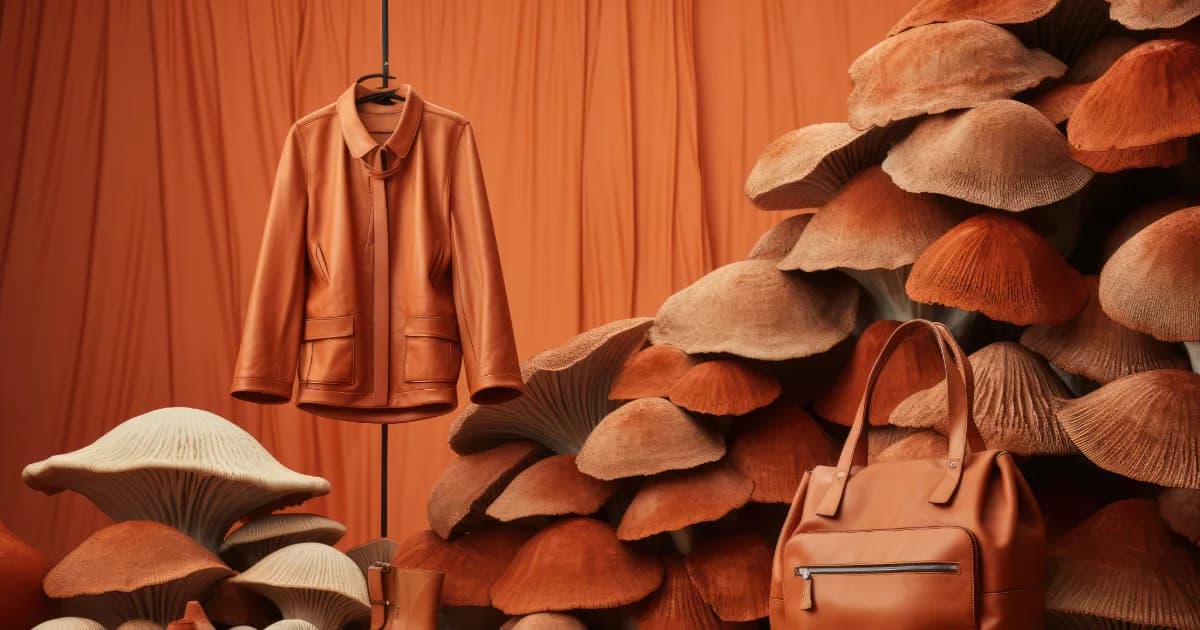
The global fashion landscape is undergoing a profound transformation, driven by a new generation of biodegradable materials that redefine what style, luxury, and sustainability can look like. From mushroom leather to pineapple fibres and lab-grown hides, the industry is entering an era where plant-based innovations and biotechnology are merging seamlessly with art and fashion, creating products that are not only visually striking but also fresh in their purpose and impact. With ecological concerns mounting and consumers demanding responsible choices, biofabricated textiles are emerging as one of the most powerful solutions to reshape the modern wardrobe.
This shift is not just a technological upgrade; it represents a cultural, creative, and environmental movement. The change is being fueled by pioneering material scientists, ethical designers, conscious brands, and innovators who aim to replace environmentally damaging resources with plant materials that offer durability, aesthetic flexibility, and biodegradability.
Below is a deep dive into how this material revolution is unfolding and what the future of fashion may look like as these technologies continue to evolve.
Traditional leather and synthetic textiles have long been associated with environmental degradation. As concerns around pollution, carbon emissions, water waste, and animal welfare escalated, the fashion industry began searching for new materials that could uphold luxury aesthetics without causing environmental destruction.
Key factors driving the shift include:
Leather tanning releases harmful chromium and toxic wastewater.
Synthetic materials like polyester shed microplastics and remain non-biodegradable for centuries.
Fast-fashion manufacturing accelerates climate change with massive resource consumption.
In contrast, new-age biodegradable materials decompose naturally, significantly reducing waste and toxicity.
Modern shoppers, especially Gen Z and millennials, have become more conscious than ever about how their clothes impact the planet. These Consumers are actively seeking ethical, transparent, and eco-friendly alternatives—making sustainable materials not just an option but a necessity.
The integration of biotechnology with art and fashion has opened new design possibilities. Materials grown in labs, cultivated from fungi, or engineered from agricultural waste bring fresh textures, patterns, and construction methods that traditional textiles could never achieve.
Biofabricated leather refers to materials that are grown rather than harvested from animals or produced synthetically. It includes lab-grown collagen leather, mushroom-based leather (mycelium), and bacterial cellulose.
Mycelium, the root structure of fungi, is being hailed as one of the most promising materials of the future. It grows rapidly in controlled environments and can be shaped into sheets that resemble traditional leather.
Why Mycelium Leather Is Revolutionary:
Fully biodegradable
Requires minimal water and land
No animal agriculture involved
Naturally antibacterial
Adapts to various textures and finishes
Brands like Mylo, Bolt Threads, and Mycoworks have partnered with luxury houses, demonstrating that mycelium can rival animal leather in strength, flexibility, and appearance.
Biotechnology companies have also developed methods to create leather by growing collagen—the protein that forms animal skin—without requiring an actual animal. This method provides high-performance material with less environmental damage.
Benefits include:
Highly customizable
Free from blemishes and inconsistencies
Reduced carbon footprint
Better control over thickness and texture
Lab-grown leather allows art and fashion designers to explore new realms of creativity with a fresh medium that is as luxurious as it is ethical.
Derived from fermented plant-based sugars, bacterial cellulose is lightweight, breathable, and aesthetically modern. It offers a futuristic alternative for accessories, apparel, and wearable art.
Beyond leather alternatives, a significant wave of innovation is taking place in the world of plant materials used to craft textiles. These materials not only reduce reliance on fossil fuels but also transform agricultural waste into high-value fabric.
Produced from pineapple leaf waste, Piñatex is durable, breathable, and fully sustainable.
Advantages:
Utilises agricultural by-products
Provides income streams to farmers
Light and flexible
100% biodegradable
Hemp and flax have been used for centuries, but innovations now allow them to be transformed into softer, more luxurious versions. These plant fibres require significantly less water and pesticides compared to cotton.
Extracted from banana plant stems, this material is strong, silky, and increasingly popular in eco-luxury markets.
Created from the nopal cactus, this leather-like textile is durable, organic, and requires no irrigation. The cactus naturally regenerates, making it a highly environmentally friendly solution.
Algae-based textiles are another rising category, offering antibacterial properties and soft textures that naturally decompose after use.
Plant-based and biofabricated materials require far fewer resources than traditional leather production, cutting carbon emissions by up to 90%.
These materials eliminate animal cruelty and reduce chemical exposure for tannery workers.
Agricultural waste becomes a valuable resource—turning leaves, stems, and organic matter into high-performance textiles.
Unlike polyester or synthetic leather, these materials decompose naturally, eliminating long-term pollution.
These innovations encourage agricultural diversity and sustainable farming practices.
One of the most exciting aspects of this revolution is how biotechnology is merging with creative disciplines. Designers are working with scientists to grow materials that blur the line between nature and art.
Examples include:
Dresses shaped from bacterial cellulose
Accessories grown from mushroom roots
Fabrics dyed using bacteria instead of toxic chemicals
Sculptural garments designed with lab-grown material patterns
This synergy is giving rise to fashion pieces that are visually groundbreaking and conceptually inspiring—showing that sustainability can be both bold and beautiful.
Sustainability is no longer a niche market. Luxury houses, fast-fashion retailers, and emerging labels all recognise that the future lies in ethical innovation.
Hermès has collaborated on mushroom leather for its iconic bags.
Stella McCartney has long championed plant-based innovations.
Gucci and Yves Saint Laurent are experimenting with alternative leather solutions.
Even mass-market brands are gradually integrating textile innovations to reduce their environmental impact.
Young designers are the most experimental group—integrating plant-based materials as centrepieces of their collections, merging ethical design principles with creative storytelling.
While the shift is promising, several hurdles remain:
Biofabrication requires advanced technology, making it more costly than traditional production.
Meeting global demand remains challenging due to production limitations.
Some plant-based materials require reinforcement to match the longevity of leather.
Many Consumers are still unfamiliar with these alternatives, slowing down mass adoption.
However, ongoing research and rising global awareness continue to push the industry forward.
The next decade will witness the fashion industry embracing innovation like never before. Expect:
Fully biodegradable luxury collections
Lab-grown fashion pieces created with precision
Hybrid materials blending plant fibres with biotechnology
Circular material ecosystems where garments are returned for composting
Collaborations between scientists, farmers, and fashion designers
New aesthetics inspired by organic growth patterns
Environmental responsibility and artistic experimentation will define the next frontier of fashion, as the industry finally moves away from extractive production models.
The material revolution has begun—reshaping wardrobes, redefining luxury, and inspiring designers worldwide to create with consciousness and creativity.