Loading...
08 August 2025
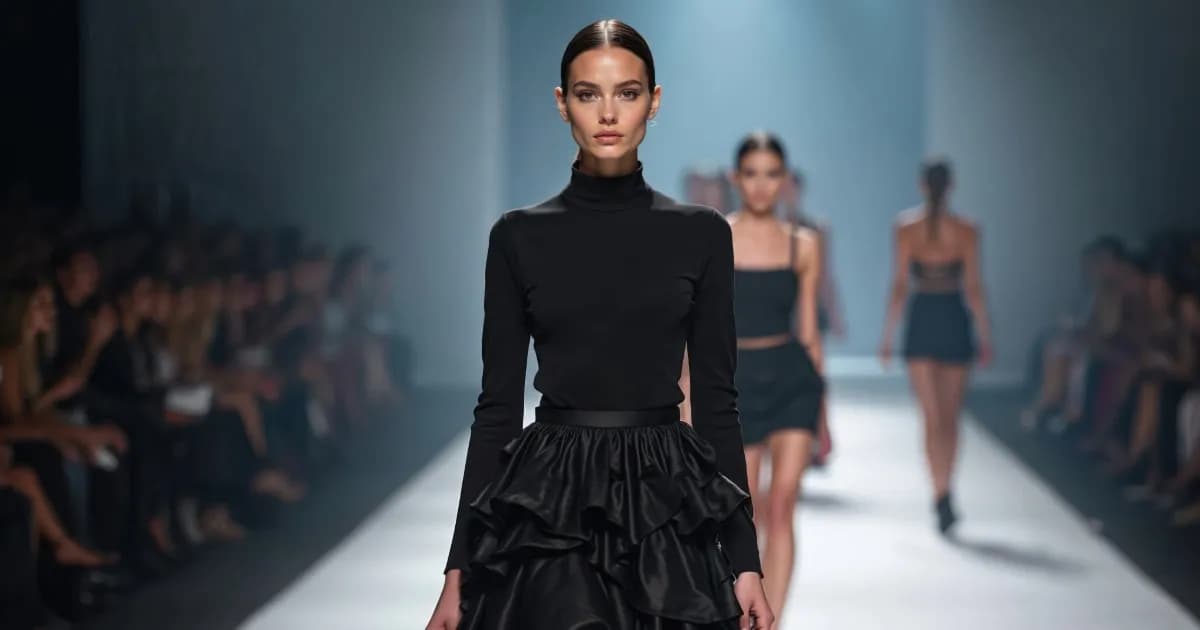
The world of modelling thrives on elegance, confidence, and expression. Whether it’s the dramatic flair of a runway walk or the subtle power of a still photograph, every move a model makes communicates a story. Perfecting your runway and photo poses is about more than technical skill—it’s about mastering the art of presence, showcasing garments with grace, and creating lasting impressions. Models who understand their body language, practice consistently, and bring authenticity to every movement set themselves apart. These skills don’t just elevate careers; they transform modelling into an art form that captures attention worldwide, whether in editorial spreads or on iconic platforms like New York Fashion Week, set to take place from September 11–16, 2025, where every pose and stride helps define the season’s most unforgettable moments. Walking the runway is a signature skill in the modelling world. A runway walk is not just about moving from one end of the stage to the other—it’s about showcasing the designer’s vision while exuding confidence and poise. Posture first: Keep your shoulders back, spine tall, and head lifted. A strong posture immediately conveys confidence. Controlled stride: Walk with long, natural steps. Avoid rushing—pace yourself to the rhythm of the music. Eye focus: Look straight ahead, not at the ground. This adds strength and determination to your walk. Fluid arms: Allow your arms to move naturally with your stride, without over-exaggeration. Balance and rhythm: Stay relaxed while keeping your movements steady and symmetrical. Tip: Practice your runway walk in front of mirrors or record yourself to study posture, rhythm, and overall flow. Confidence is the heart of every memorable runway walk. The audience isn’t just looking at the clothes—they’re also captivated by how you present them on the catwalk. Visualize success: Before stepping on stage, take a deep breath and imagine yourself already walking with poise. Find your unique walk: While there are industry standards, your walk should also reflect your personality. Stay calm under lights: Bright lights and crowds can be overwhelming. Keep your focus centered on the walk, not the audience. Consistency is key: Every step should match the energy of the show, whether bold, elegant, or playful. Turns and poses at the runway’s end are where your individuality shines. This is your moment to leave a lasting impression. The pivot turn: Plant one foot, rotate smoothly, and let your clothing flow naturally. The strong stop: Pause at the end, slightly shift your weight, and give the audience a clear view of the garment. Natural expressions: Avoid forced smiles. Instead, use subtle facial expressions that match the show’s mood. Runway poses should always highlight the outfit’s details—whether it’s the flow of fabric, the cut of the design, or the accessories. While the runway is about movement, photos capture stillness and emotion. Every pose should tell a story, reflect the clothing, and connect with the viewer. Awareness of angles: Know your best sides by practicing in the mirror. Small changes in head tilt or posture make a big difference. Lines and shapes: Use your body to create elegant lines—elongate your neck, extend your arms, or shift your hips slightly. Relaxed hands: Keep hands soft and natural, avoiding stiffness. Engage with your eyes: Eyes are powerful tools. Whether direct or distant, they add depth and mood to a photograph. Body language plays a huge role in creating powerful poses. The way you position yourself can change the mood of an entire shot. Strong poses: Use sharp angles, straight posture, and bold expressions for a commanding presence. Soft poses: Incorporate curves, gentle tilts, and relaxed hands for a softer, romantic feel. Dynamic poses: Add movement—like walking toward the camera or adjusting clothing—for lively, authentic images. Remember: subtle shifts in weight, posture, or gaze can completely transform the tone of your photos. A model’s role is to bring clothing to life. On both the runway and in photos, your poses should complement—not overshadow—the design. Flowy garments: Movement is key. Walk with rhythm and allow fabric to move naturally. Structured clothing: Strong, bold poses emphasize the garment’s lines. Accessories: Use slight gestures to highlight handbags, shoes, or jewelry without distracting from them. Pro Tip: Always ask stylists and photographers what aspect of the outfit they want highlighted. This ensures your poses align with their vision. Practice is what separates good models from great ones. Consistent rehearsal helps you understand your body, angles, and flow. Mirror practice: Observe how poses look from different angles. Photo journaling: Take daily photos to track progress and develop a portfolio of strong poses. Runway rehearsals: Practice walking in different heels, outfits, and environments. Inspiration boards: Study magazines, campaigns, and fashion shows to expand your posing vocabulary. A photo pose isn’t complete without the right expression. Your face conveys mood, energy, and storytelling. Neutral expressions: Sleek and sophisticated for high-fashion shoots. Soft smiles: Natural and approachable for lifestyle campaigns. Fierce looks: Strong eye contact and serious expressions for editorial spreads. Your face should align with the concept of the shoot or runway theme. Modelling is collaborative. Photographers and directors often guide the mood, pace, or energy of your poses and walk. Listen actively: Pay close attention to their instructions. Adapt quickly: Be ready to switch poses or moods at a moment’s notice. Offer ideas: Once comfortable, suggest subtle variations to enrich the shoot. Stay professional: A calm, focused presence builds trust and creates better results. When posing or walking becomes second nature, your confidence soars. Repetition builds muscle memory, allowing you to move effortlessly in professional settings. Practice daily walking drills: Even short sessions improve posture and stride. Run through posing sequences: Have a few go-to poses ready for shoots. Experiment in front of the camera: Build comfort and fluidity through consistent practice. Transitions are as important as final poses. The way you shift from one position to another adds flow and elegance. Smooth transitions: Avoid stiff or abrupt movements. Fluid changes: Shift weight naturally and let movements flow. Connecting poses: Use slight adjustments—like turning your head or shifting arms—to create variety without breaking flow. While techniques and industry tips are essential, your individuality is what makes you stand out. Every model has a personal flair that brings authenticity to poses and walks. Experiment with style: Don’t be afraid to try new expressions and movements. Honor your strengths: Highlight features and qualities that make you unique. Stay adaptable: Be versatile for clients while still infusing your signature touch. Perfecting your runway walk and photo poses is a blend of discipline, artistry, and self-expression. With strong posture, confident strides, and storytelling poses, you can transform clothing into living art and images into powerful narratives. As you refine your craft, remember that both the runway and camera are opportunities to express not only fashion but also individuality. Confidence, practice, and presence are your strongest allies. When you approach every walk and pose with focus and authenticity, you create more than a visual impression—you create a lasting memory. Your movement, expression, and style become part of the story, leaving an impact that goes beyond the moment.The Essence of a Great Runway Walk
Key elements to remember:
Confidence on the Catwalk
Mastering Turns and Poses on the Runway
Posing for Photos: Telling a Visual Story
The fundamentals of photo posing:
Expression Through Body Language
Understanding the Role of Clothing
Practicing Poses Like a Pro
The Role of Facial Expressions
Working With Photographers and Directors
Building Muscle Memory
Perfecting Transitions
Staying Grounded in Your Unique Style