Loading...
19 May 2026
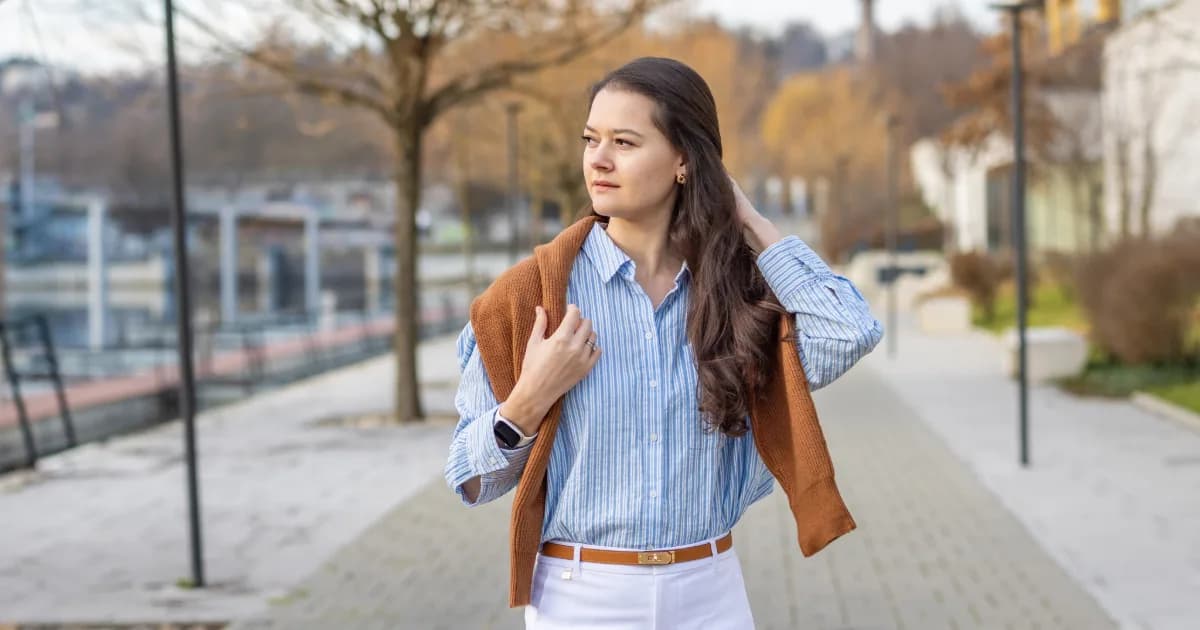
Fashion trends constantly evolve, but certain styles never completely disappear. Over the last few years, old money fashion has made a remarkable comeback in American fashion culture. From luxury social media aesthetics to celebrity wardrobes, this classic and refined style has become one of the most influential fashion movements today. Unlike flashy designer fashion or heavily branded streetwear, old money fashion focuses on understated elegance, timeless tailoring, and effortless sophistication. The appeal comes from looking polished without appearing overly trendy or attention-seeking. Modern audiences are increasingly drawn toward this aesthetic because it represents stability, confidence, and quiet wealth. The rise of quiet luxury has also helped old money fashion dominate online fashion conversations. Many younger consumers are now choosing clean silhouettes, neutral tones, and versatile wardrobe pieces over loud fashion statements. This shift reflects a broader movement toward quality, refinement, and long-term style investments. Social media platforms played a major role in bringing old money fashion back into mainstream culture. Fashion creators on TikTok, Instagram, and Pinterest began sharing content inspired by elite American prep schools, European luxury lifestyles, vintage country clubs, and billionaire family aesthetics. The old money look quickly became associated with: tailored blazers linen trousers cashmere sweaters loafers pearl accessories neutral color palettes Although these elements have existed for decades, social media transformed them into a modern fashion identity. Influencers began presenting old money fashion as aspirational yet achievable, especially through minimalist styling and elegant combinations summer fashion enthusiasts could recreate affordably. This online exposure introduced younger audiences to a style that feels sophisticated without relying heavily on logos or fast fashion trends. The rise of quiet luxury completely reshaped consumer attitudes toward fashion. Instead of focusing on oversized branding or extravagant designs, many people started appreciating subtle elegance and premium craftsmanship. Quiet luxury emphasizes: clean tailoring premium fabrics timeless wardrobe staples refined accessories understated glamour This movement perfectly aligns with old money fashion values. Consumers increasingly prefer clothing that appears effortlessly expensive rather than obviously luxurious. The influence of television shows, celebrity culture, and luxury lifestyle media also contributed to this trend. Series featuring wealthy families and elite social circles inspired audiences to imitate refined dressing styles associated with inherited wealth and sophisticated lifestyles. Today, many shoppers actively search for quiet luxury local shop recommendations because they want high-quality pieces that reflect elegance without excessive branding. One of the biggest surprises in modern fashion is how strongly Gen Z and younger millennials embraced old money aesthetics. Despite growing up during the peak of streetwear and logo-heavy fashion culture, many younger consumers are now gravitating toward classic elegance. Several factors explain this shift. First, old money fashion feels timeless. Many younger consumers are becoming more conscious about sustainability and overconsumption. Instead of constantly chasing temporary fashion trends, they prefer versatile wardrobe pieces that remain stylish for years. Second, old money fashion creates a polished image that works across different social settings. Whether attending a brunch, business meeting, university event, or summer vacation, the aesthetic adapts easily while maintaining sophistication. Third, social media glamorized elite lifestyles associated with old money culture. Luxury vacation aesthetics, tennis clubs, yacht fashion, and European-inspired outfits became highly desirable online. The result is a fashion movement that combines aspiration, elegance, and practicality in a way modern audiences deeply connect with. American fashion brands quickly recognized the growing popularity of old money aesthetics. Many luxury and mid-range fashion companies began redesigning collections around minimalist tailoring and timeless pieces. Instead of focusing only on trend-driven designs, brands started emphasizing: neutral color schemes structured outerwear relaxed luxury premium materials sophisticated silhouettes Retailers also began promoting capsule wardrobes, encouraging customers to invest in fewer but higher-quality items. Summer collections particularly reflected this transition. Lightweight linen shirts, beige trousers, loafers, pleated skirts, and monochromatic combinations summer fashion enthusiasts loved became increasingly dominant across American fashion campaigns. The aesthetic also influenced fashion photography, runway presentations, and digital marketing campaigns, where simplicity and elegance replaced flashy styling. Celebrity influence played a major role in making old money fashion mainstream again. Many public figures adopted quiet luxury aesthetics both on and off the red carpet. Instead of wearing overly dramatic outfits, celebrities increasingly appeared in: oversized blazers neutral knitwear tailored trousers minimalist dresses vintage-inspired accessories This shift helped audiences view elegance as more fashionable than excessive trend experimentation. Luxury fashion icons and supermodels also embraced classic styling during fashion weeks and public appearances. Their influence encouraged audiences to prioritize refinement and confidence over attention-seeking fashion choices. As a result, old money fashion evolved from a niche aesthetic into one of the strongest modern style movements in America. Old money fashion became popular again because it aligns perfectly with current cultural values. Modern consumers increasingly appreciate authenticity, simplicity, and quality over fast-moving trends. The aesthetic offers a sense of sophistication without appearing desperate for attention. In an era dominated by digital oversharing and trend fatigue, many people find comfort in timeless elegance. Old money style also feels adaptable. It works across: formal occasions casual outings office environments luxury travel summer events Its versatile nature makes it attractive for people who want stylish wardrobes without constantly purchasing new clothing. The focus on craftsmanship and fabric quality also supports growing consumer interest in sustainable fashion practices. Fashion influencers continue pushing old money aesthetics across social platforms through curated content and luxury-inspired visuals. Popular content themes include: European summer styling coastal grandmother fashion yacht club outfits vintage-inspired tailoring neutral wardrobe guides luxury capsule closets These aesthetics attract millions of viewers because they combine glamour with simplicity. Many creators also teach audiences how to achieve the old money look affordably by mixing premium basics with accessible fashion brands. This makes the trend feel realistic instead of unattainable. The accessibility of styling advice helped old money fashion expand far beyond elite social circles. Summer fashion played a major role in accelerating the popularity of old money style. Warm-weather outfits naturally complement the relaxed elegance associated with luxury coastal lifestyles. Popular combinations summer fashion lovers embraced include: linen shirts with tailored shorts white trousers with knit polos neutral sundresses lightweight blazers leather loafers oversized sunglasses These outfits project effortless sophistication while remaining practical and comfortable. Vacation culture also contributed heavily to this trend. Luxury resort aesthetics, Mediterranean-inspired fashion, and Hamptons-style wardrobes became highly influential across American social media. This connection between travel glamour and timeless elegance made old money fashion even more aspirational. Quiet luxury continues dominating fashion because consumers increasingly value subtle sophistication over excessive branding. Modern shoppers are becoming more selective about the clothing they purchase. Instead of buying disposable fast fashion items, many prefer investing in timeless wardrobe essentials that remain fashionable across multiple seasons. Quiet luxury supports this mindset by encouraging: high-quality materials clean design elegant tailoring minimal branding long-term versatility The movement also reflects changing economic and social attitudes. In many ways, understated wealth now appears more fashionable than obvious displays of luxury. This cultural shift ensures old money fashion remains relevant far beyond temporary fashion cycles. Traditionally, old money style was associated with elite families and exclusive social circles. However, modern fashion culture transformed the aesthetic into something more accessible. Today, people can recreate old money-inspired outfits through: thrift shopping minimalist styling affordable tailoring neutral wardrobe basics vintage fashion Fashion influencers regularly show audiences how to achieve elegant looks without spending extreme amounts of money. This democratization of luxury aesthetics helped the trend spread rapidly across different demographics and age groups. The modern version of old money fashion is less about actual wealth and more about confidence, simplicity, and refined personal style. Old money fashion is unlikely to disappear anytime soon because it represents more than a temporary trend. It reflects a broader cultural movement toward timeless style, sophistication, and intentional dressing. As consumers continue moving away from fast fashion overload, classic aesthetics will likely remain influential across American fashion culture. Designers are expected to continue blending quiet luxury with modern silhouettes, creating styles that feel elegant while remaining wearable for everyday life. The growing popularity of sustainable fashion, capsule wardrobes, and premium basics also supports the long-term success of old money aesthetics. In many ways, old money fashion became popular again because people no longer want clothing that only looks trendy for a few months. They want fashion that feels refined, versatile, and effortlessly stylish for years to come.Why Social Media Revived Old Money Fashion
How Quiet Luxury Changed Modern Fashion Culture
Why Younger Generations Love Old Money Fashion
How American Fashion Brands Adapted to the Trend
The Influence of Celebrity Fashion on Old Money Style
Why Old Money Fashion Works So Well in Modern Society
How Fashion Influencers Keep the Trend Growing
The Role of Summer Fashion in the Old Money Aesthetic
Why Quiet Luxury Continues Dominating Fashion
How Old Money Fashion Became More Inclusive
The Future of Old Money Fashion in America