Loading...
10 February 2026
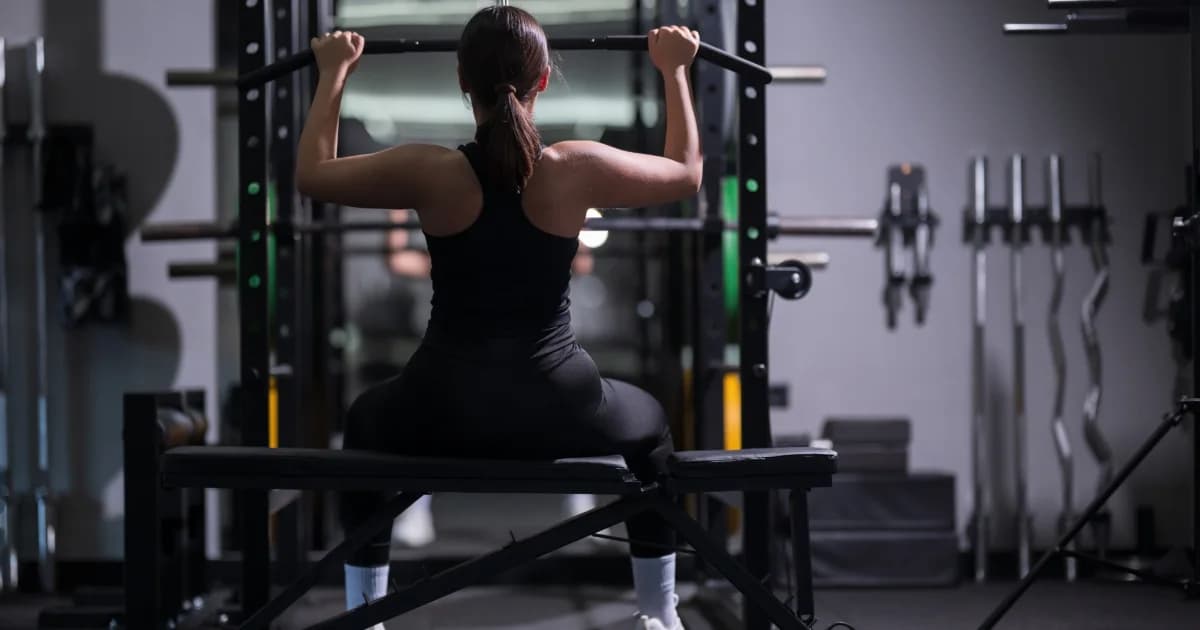
Strength training has evolved far beyond the misconception of simply “bulking up.” For models, the goal is rarely mass gain; instead, the focus is on building lean muscle, improving posture, enhancing definition, and maintaining overall health. A structured approach to strength-based exercise helps sculpt the body while preserving elegance and balance — two qualities that are essential in fashion and commercial modeling.
Models often face long hours on set, demanding travel schedules, and physically taxing runway sessions. Strength training improves stamina, resilience, and body awareness. When done correctly, workouts with controlled weights increase muscle tone without unnecessary bulk.
Lean muscle development also supports metabolism, enhances posture, and creates a firm yet feminine or refined silhouette. The key lies in balanced programming, strategic hydration, and consistency.
Building lean muscle requires controlled resistance training combined with recovery and proper nutrition. When muscles experience resistance from weights or bodyweight exercise, microscopic tears occur in the muscle fibers. The body repairs these fibers stronger and slightly more defined.
However, models typically aim for toned and elongated muscles rather than extreme hypertrophy. This is achieved by:
Moderate weights
Higher repetitions (10–15 reps)
Shorter rest intervals
Full-body workouts
Consistent hydration to aid recovery
Maintaining hydration supports nutrient delivery to muscle tissue and prevents fatigue during workouts. Proper water intake also maintains joint mobility and enhances overall health performance.
Before diving into routines, understanding foundational principles ensures effective results.
1. Focus on Form Over Heavy Weights
Proper technique protects joints and improves muscle engagement. Poor form increases injury risk and disrupts muscle symmetry.
2. Prioritize Compound Movements
Exercises such as squats, lunges, deadlifts, and push-ups engage multiple muscle groups simultaneously. Compound exercise enhances metabolic efficiency and builds balanced strength.
3. Incorporate Functional Training
Functional workouts replicate natural body movements, improving coordination and posture.
4. Maintain Consistent Hydration
Hydration influences performance, recovery, and muscle elasticity. Models should drink water before, during, and after workouts.
5. Allow Recovery Time
Muscles grow during rest, not during the workout itself. Scheduling rest days supports long-term health and sustainable results.
A full-body routine performed three to four times per week promotes balanced muscle tone.
Warm-Up (5–10 Minutes)
Light cardio (jump rope or brisk walking)
Dynamic stretches
Arm circles and hip openers
Workout Circuit (3 Rounds)
Bodyweight squats (15 reps)
Push-ups (12 reps)
Dumbbell Romanian deadlifts (12 reps)
Walking lunges (12 per leg)
Plank hold (45 seconds)
Rest for 60 seconds between rounds. Moderate weights should challenge muscles while maintaining clean form.
This routine enhances total-body definition while promoting cardiovascular endurance.
Strong, toned legs are essential for runway confidence and posture.
1. Goblet Squats
Hold a dumbbell or kettlebell close to the chest. Perform 12–15 reps.
2. Bulgarian Split Squats
Elevate one foot behind you. Perform 10–12 reps per leg.
3. Hip Thrusts
Use light weights to activate glutes. Perform 15 reps.
4. Step-Ups with Weights
Engage glutes and hamstrings. Perform 12 reps per leg.
This lower-body routine improves stability, enhances muscle tone, and supports overall health.
Upper-body strength contributes to posture, especially during photoshoots and runway events.
1. Dumbbell Shoulder Press (12 reps)
Builds shoulder definition.
2. Lat Pulldowns or Resistance Band Rows (12 reps)
Strengthens back muscles, improving posture.
3. Tricep Dips (15 reps)
Enhances arm definition without excessive bulk.
4. Bicep Curls (12 reps)
Use moderate weights for lean muscle toning.
These workouts improve symmetry and maintain balanced upper-body strength.
A strong core improves posture and enhances natural body alignment.
Core Circuit:
Plank variations (45 seconds)
Russian twists (20 reps)
Leg raises (12 reps)
Bicycle crunches (20 reps)
Core-focused exercise supports spinal alignment and creates a flatter, toned midsection.
To continue building lean muscle, gradually increase resistance. This does not mean drastically increasing weights but rather:
Adding extra repetitions
Increasing time under tension
Slightly raising resistance levels
Reducing rest intervals
Progressive overload stimulates adaptation while maintaining balanced muscle development.
Monday: Full-body strength routine
Tuesday: Light cardio + core
Wednesday: Lower-body focus
Thursday: Rest or active recovery
Friday: Upper-body routine
Saturday: Functional workouts
Sunday: Stretching and hydration recovery
This schedule promotes consistency without overtraining.
Hydration is often underestimated in strength training. Proper hydration:
Prevents muscle cramps
Enhances nutrient transport
Improves recovery speed
Maintains skin clarity and overall health
Models should aim for steady water intake throughout the day. Electrolyte balance can further support performance during intense workouts.
Strength training must be supported by nutrition.
Protein Sources:
Lean chicken, fish, tofu, eggs, legumes
Healthy Fats:
Avocado, nuts, olive oil
Complex Carbohydrates:
Brown rice, quinoa, oats
Balanced meals sustain energy and promote muscle repair. Avoid extreme dieting, as it compromises health and performance.
Many models fear that lifting weights leads to excessive size. However, lean muscle growth depends on calorie surplus and high-intensity hypertrophy programs.
Moderate weightsindustry, higher reps, and controlled workouts create toned definition rather than bulk. Maintaining hydration and balanced nutrition ensures muscle stays firm but not oversized.
Recovery supports muscle repair and long-term performance.
Stretch after workouts
Use foam rollers
Sleep 7–8 hours nightly
Maintain hydration
Take rest days seriously
Muscle fibers need time to rebuild after exercise stress.
Strength training improves more than muscle tone.
Boosts confidence
Enhances mental clarity
Improves posture
Supports bone density
Promotes long-term health
Consistent workouts strengthen discipline and self-awareness, qualities valuable in the modeling industry.
Skipping warm-ups
Lifting excessively heavy weights
Neglecting hydration
Overtraining without rest
Ignoring proper nutrition
Avoiding compound exercise
Balanced training leads to long-term results without compromising elegance.
For busy schedules, bodyweight workouts provide effective strength maintenance.
Quick Hotel Room Circuit:
Squats (20 reps)
Push-ups (15 reps)
Plank (1 minute)
Lunges (15 per leg)
Repeat three times. This maintains muscle tone even during travel.
Once lean muscle is achieved, maintenance requires consistency.
Train 3–4 times weekly
Rotate workout styles
Adjust weights gradually
Maintain hydration
Focus on overall health
Balanced routines prevent burnout and keep the physique runway-ready.
Strength training routines designed for models emphasize control, endurance, and muscle definition. By integrating structured exercise, moderate weights, strategic hydration, and balanced nutrition, models can achieve lean muscle without compromising elegance or flexibility. Consistency, recovery, and discipline remain the pillars of sustainable fitness success.