Loading...
27 January 2026
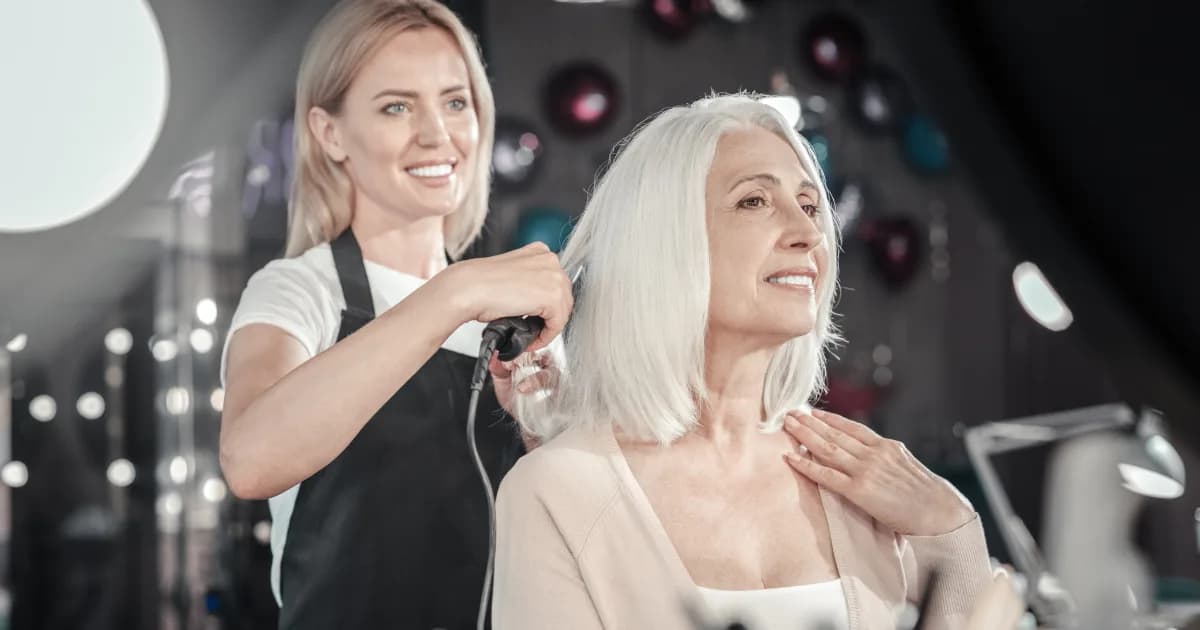
The art of haircare is rooted in understanding, consistency, and respect for individuality. Hair is more than a visual feature; it is a living structure that responds to care, environment, and routine. In professional and creative industries, hair often frames first impressions, enhances styling concepts, and supports personal identity. Building a routine that truly works requires moving beyond trends and focusing on habits that protect hair health while allowing creative expression.
Haircare is not universal. Texture, density, lifestyle, and styling demands vary widely, making personalization essential. A successful routine adapts to these differences while remaining grounded in foundational principles. When approached thoughtfully, haircare becomes both a practical discipline and a form of self-expression.
Understanding Hair as a Living Structure
Hair is composed of protein fibers that grow from follicles influenced by genetics, nutrition, and overall health. Although hair itself is not alive, the scalp and follicles are highly responsive systems. Treating hair with care requires understanding how external practices affect internal balance.
Professional styling, frequent washing, heat exposure, and chemical treatments can weaken hair over time. Recognizing these effects allows individuals to make informed choices that preserve strength and shine. Healthy hair begins with awareness, not correction.
This understanding transforms haircare into a long-term commitment rather than a reactive process.
The Relationship Between Scalp Health and Hair Quality
A healthy scalp creates the foundation for strong hair growth. Clean, balanced scalp conditions support follicles and reduce issues such as irritation or excessive oil production. Neglecting scalp care often leads to dullness and breakage, regardless of styling effort.
Effective routines incorporate gentle cleansing and stimulation without stripping natural oils. Scalp care should be consistent, not aggressive. Over-cleansing or heavy buildup can disrupt balance and hinder growth.
By prioritizing scalp health, individuals support sustainable hair quality over time.
Washing Practices That Support Balance
Washing hair is essential, but frequency and technique matter. Hair that is washed too often may lose natural oils, while infrequent washing can lead to buildup and dullness. Finding the right balance depends on lifestyle, environment, and styling demands.
Using appropriate water temperature and gentle products protects hair structure. Lukewarm water cleans effectively without excessive dryness. Thorough rinsing prevents residue that weighs hair down.
Mindful washing practices support both scalp health and hair longevity.
The Role of Products in Haircare Routines
Haircare products play a supportive role, not a corrective one. Shampoos, conditioners, and treatments should enhance natural qualities rather than mask damage. Choosing products aligned with hair type and needs improves outcomes.
Overuse of products can overwhelm hair, leading to buildup and reduced responsiveness. Simplicity often yields better results than excessive layering.
Understanding ingredient purpose and application ensures products serve the routine rather than dominate it.
Conditioning for Strength and Flexibility
Conditioning replenishes moisture and smooths hair fibers. Proper conditioning improves elasticity, reducing breakage during styling. Application techniques influence effectiveness.
Focusing conditioner on mid-lengths and ends prevents scalp overload while addressing the most vulnerable areas. Allowing sufficient time for absorption enhances results.
Conditioning supports hair resilience, enabling more versatile hairstyles without compromising health.
Drying Techniques That Minimize Stress
Drying methods significantly affect hair integrity. Rough handling or excessive heat weakens hair fibers. Gentle techniques preserve structure and shine.
Air drying when possible reduces thermal stress. When heat is necessary, controlled settings and protective measures minimize damage.
Mindful drying practices contribute to hair longevity and appearance.
Heat Styling and Hair Preservation
Heat styling enables creative expression but requires restraint. High temperatures alter hair protein, leading to dryness and breakage over time.
Balancing heat usage with restorative care maintains health. Reducing frequency and varying styles protect hair integrity.
Creative freedom thrives when hair remains strong and responsive.
The Importance of Regular Trimming
Trimming removes damaged ends and maintains shape. Regular maintenance prevents split ends from traveling upward and compromising length.
Trimming frequency depends on hair type and styling habits. Even minimal trims support overall health.
This practice reinforces the idea that maintenance sustains beauty.
Protective Styling and Hair Longevity
Protective hairstyles reduce exposure to friction and environmental stress. Styles that secure hair gently support growth and minimize breakage.
Protection does not mean restriction. Thoughtful styling allows creativity while preserving structure.
Protective habits enhance both appearance and durability.
Nighttime Haircare Practices
Nighttime routines influence hair condition. Friction during sleep can cause tangling and breakage.
Simple adjustments such as gentle tying or protective materials reduce stress. These habits require minimal effort with lasting benefits.
Consistent nighttime care supports daily styling ease.
Environmental Factors and Hair Response
Hair responds to humidity, pollution, and climate changes. Environmental awareness allows adaptation without overcorrection.
Protective routines shield hair from harsh conditions. Cleansing removes pollutants, while conditioning restores balance.
Environmental consideration supports consistent results across settings.
Nutrition and Hair Strength
Nutrition influences hair growth and resilience. Balanced intake supports follicle function and protein synthesis.
Hydration and nourishment complement external care. Healthy hair reflects internal balance.
This holistic view reinforces comprehensive routines.
Stress Management and Hair Health
Stress impacts hair through hormonal pathways. Excessive stress may affect growth cycles and texture.
Incorporating relaxation practices supports overall balance. Haircare routines can become grounding rituals.
Emotional well-being and hair health are interconnected.
Gender-Inclusive Approaches to Haircare
Haircare transcends gender. Effective routines focus on hair needs rather than identity labels.
Inclusive approaches empower individuals to explore styles freely. This perspective reflects evolving beauty standards.
Haircare becomes a space for self-definition rather than limitation.
Creative Expression Through Hairstyles
Hairstyles communicate personality and mood. Creative exploration enhances confidence and individuality.
Healthy hair supports versatility, allowing experimentation without fear of damage.
Creativity flourishes when supported by strong foundations.
The Balance Between Trends and Timeless Care
Trends influence styling but should not dictate care. Timeless practices preserve health regardless of fashion cycles.
Integrating trends thoughtfully prevents compromise. Care routines remain consistent while styles evolve.
This balance ensures sustainability.
Professional Demands and Hair Discipline
In professional environments, hair discipline reflects reliability. Consistent routines support readiness and adaptability.
Preparation minimizes last-minute stress and damage. Discipline reinforces professionalism.
Haircare becomes part of career management.
Adapting Routines Over Time
Hair changes with age, environment, and lifestyle. Routines must evolve accordingly.
Regular assessment ensures relevance. Adaptation prevents stagnation.
Flexibility supports long-term success.
Minimalism in Haircare
Minimalist routines reduce overwhelm and improve consistency. Fewer steps encourage adherence.
Simplicity enhances clarity and results. Hair responds positively to reduced intervention.
Minimalism supports sustainability and effectiveness.
The Role of Observation and Feedback
Observing hair responses guides adjustments. Feedback from texture, shine, and manageability informs choices.
Listening to hair builds intuition. This awareness strengthens routines.
Knowledge grows through attention.
Preventive Care Over Corrective Measures
Preventive habits protect hair before damage occurs. Gentle handling and protection reduce repair needs.
Prevention supports longevity. This approach saves time and resources.
Healthy hair reflects proactive care.
Seasonal Adjustments in Haircare
Seasonal changes affect moisture and texture. Adjusting routines ensures balance.
Hydration may increase in colder months, while cleansing adapts to heat and humidity.
Seasonal awareness supports consistency.
Haircare as a Personal Ritual
Routines become rituals when practiced mindfully. These moments offer reflection and grounding.
Personal rituals enhance emotional connection to care.
Haircare becomes a form of self-respect.
The Impact of Consistency
Consistency outweighs intensity. Regular, gentle practices yield better results than sporadic treatments.
Routine builds trust between individual and process.
Progress emerges over time.
Education and Informed Choices
Learning about hair structure and care empowers decision-making. Education reduces reliance on marketing claims.
Informed individuals build resilient routines.
Knowledge supports autonomy.
The Relationship Between Hair and Confidence
Hair influences confidence and presence. Comfortable styling enhances self-assurance.
Healthy hair supports expression rather than distraction.
Confidence grows from care.
Cultural Influences on Haircare
Cultural traditions inform hair practices. Respecting heritage enriches routines.
Blending tradition with modern understanding creates depth.
Cultural awareness enhances creativity.
Sustainability and Responsible Consumption
Responsible product use reduces waste. Choosing quality over quantity supports sustainability.
Mindful consumption aligns care with values.
Sustainability benefits both hair and environment.
Haircare Across Life Stages
Hair needs evolve with life stages. Adaptation ensures continued health.
Recognizing change prevents frustration.
Growth includes adjustment.
The Value of Patience in Haircare
Hair responds gradually. Patience prevents overcorrection.
Trusting the process yields lasting results.
Patience reinforces commitment.
Haircare as an Ongoing Practice
The art of haircare is never finished. Each day contributes to cumulative results.
Routines evolve, but principles remain.
Care defines outcomes.
Building a Routine That Truly Works
A successful routine balances science, creativity, and discipline. It respects individuality while honoring foundational care.
By understanding hair as a responsive system, choosing products wisely, embracing creative hairstyles, and maintaining consistency, individuals build routines that support both expression and health.
The art of haircare lies in this balance—where thoughtful practice transforms daily habits into lasting beauty.