Loading...
16 June 2025
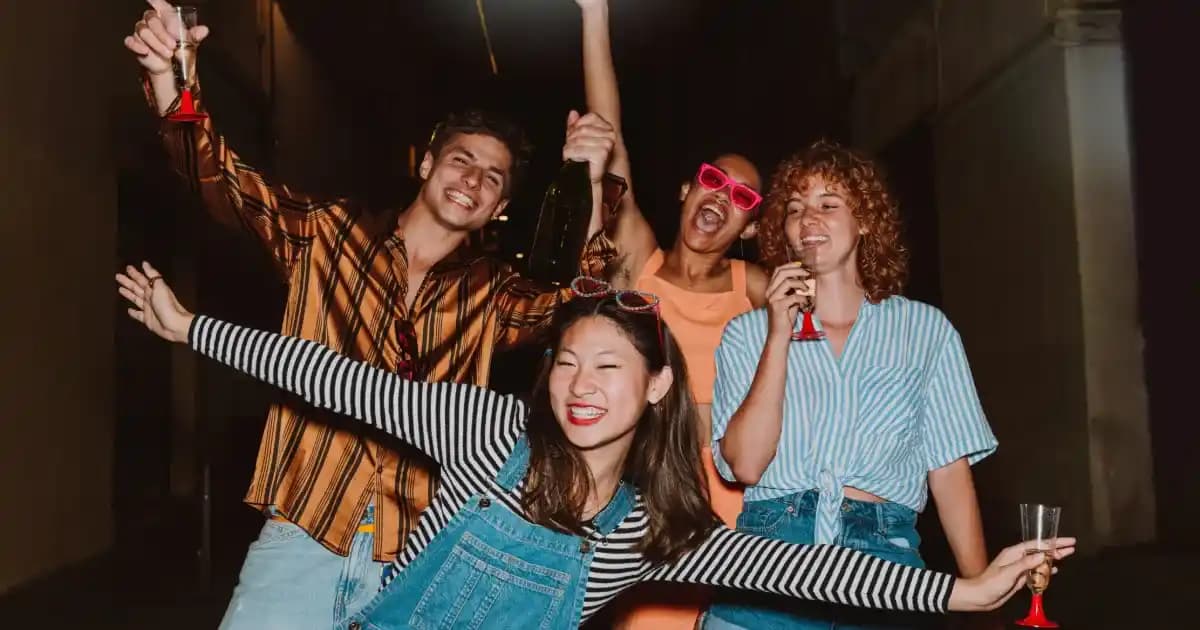
For decades, luxury was a straightforward equation: gleaming storefronts, exorbitant price tags, and an unspoken promise of status and exclusivity. Think discreet logos, heritage craftsmanship, and an air of quiet, unattainable opulence. But a seismic shift is underway, driven by a generation that views the world, and indeed, luxury, through an entirely different lens: Generation Z.
Born roughly between 1997 and 2012, Gen Z is not just a new cohort of consumers; they are digital natives, raised in a hyper-connected world grappling with climate change, social inequality, and economic uncertainty. These formative experiences have forged a generation that prioritizes authenticity, purpose, and experience over mere possession, forcing the traditional luxury market to undergo a radical reset.
So, what does luxury mean to a generation that values a TikTok unboxing over a glossy magazine ad? It's far more nuanced than what their parents or grandparents might have sought.
1. Experience is the New Status Symbol: Gone are the days when luxury was solely about owning a rare object. For Gen Z, true luxury lies in unique, memorable, and shareable experiences. Whether it's a bespoke culinary journey, an immersive wellness retreat, or an exclusive, behind-the-scenes brand event, the value is in the memory created and the story to tell, not just the product acquired.
This trend is accelerating, with reports indicating that ultra-high-net-worth (UHNW) clients are allocating 65-80% of their spending to experiences like hospitality, travel, and wellness in 2025. Luxury brands are responding by creating "phygital" (physical + digital) spaces and live shopping events that blend commerce with community and cultural engagement.
Examples: High-end travel companies are seeing increased demand for "transformative" trips focused on cultural immersion, sustainability, and personal growth. Luxury hotels are crafting bespoke itineraries that blend local culture with wellness and social media-friendly moments. Brands like Louis Vuitton and Gucci are creating immersive "hubs" that blur the lines between retail, community gatherings, and cultural experiences.
2. Authenticity and Transparency are Non-Negotiable: Gen Z possesses a highly tuned "authenticity radar." They've grown up with constant information flow and can quickly spot greenwashing or performative marketing. For a brand to be truly luxurious in their eyes, it must be genuine about its practices, sourcing, and values. This demands radical transparency in supply chains, ethical labor practices, and a clear, consistent brand ethos.
Recent data shows that 60% of consumers will consider how transparent a brand is with its sustainability practices, responsible sourcing, and eco-friendly packaging. This signals a clear shift from blind trust to informed purchasing decisions within the luxury sphere.
Examples: Brands that openly share their manufacturing processes, material origins, and environmental impact gain trust. Some luxury houses are even exploring blockchain technology to ensure traceability and authenticity of their products, catering directly to this demand for verifiable truth.
3. Sustainability and Ethics are Baseline Expectations: This isn't just a trend; it's a fundamental value. Gen Z is deeply concerned about climate change and social justice. They expect luxury brands, with their significant resources, to lead the way in sustainable and ethical practices. They are willing to pay a premium for products that are responsibly sourced, ethically produced, and have a minimal environmental footprint.
In fact, over half of Gen Z consumers are willing to pay an additional 10% for a sustainable product, and the secondhand luxury market continues to boom, growing 65% faster than first-hand luxury between 2020 and 2023. This strong preference for conscious consumption is reshaping production and distribution models across the industry.
Examples: The surge in the secondhand luxury market (resale platforms like The RealReal and Vestiaire Collective) is a direct reflection of Gen Z's eco-conscious mindset. Brands like Stella McCartney are pioneering innovative, sustainable materials (e.g., mushroom leather), while luxury conglomerates are investing heavily in reducing their carbon footprint and promoting circular fashion initiatives. Loewe and Coach are embracing this by opening "recraft stores" to extend product life.
4. Digital Fluency and Community Over Exclusivity: For a generation that lives online, luxury happens on TikTok, Instagram, and even in the metaverse. Discovery often comes from micro-influencers and peer recommendations, not traditional advertising. While previous generations coveted exclusivity, Gen Z seeks a sense of community and belonging, even within luxury. They want to connect with brands and feel part of a shared narrative.
75% of Gen Z consumers in France and Italy say "brand image on social media" strongly influences purchase decisions, and micro-influencers are preferred over celebrities by 67% of Gen Z. The rise of "aesthetic capital"—where validation comes from sharing what others want to see—is also a key driver, pushing brands to create highly shareable content and products.
Examples: Brands are leveraging TikTok and Instagram Reels for viral marketing, interactive campaigns, and user-generated content. Virtual try-ons, AR filters, and even luxury NFTs are becoming increasingly common, blurring the lines between physical and digital consumption.
5. Personal Expression Trumps Conspicuous Consumption: The overt display of wealth no longer resonates as strongly. Gen Z uses luxury to express their individuality and align with their chosen aesthetic or community, rather than to "flex" or conform to a traditional image of wealth. They are adept at mixing high-end pieces with affordable finds, creating a personalized style that reflects their values.
This ties into the growing "quiet luxury" trend, focusing on understated quality and craftsmanship. Furthermore, Gen Z's interest in nostalgia, particularly for the 2000s (Y2K fashion), is seeing a revival of vintage luxury pieces and unique accessories that allow for individual expression.
Examples: The rise of "quiet luxury" as a trend aligns perfectly with this. It's about understated quality, timeless design, and a focus on craftsmanship rather than bold logos. Customization options, limited editions, and collaborations that tell a unique story are highly sought after. Luxury smartwatches and streetwear collaborations also appeal to their sense of exclusivity and contemporary style.
For luxury brands, simply maintaining tradition is no longer a viable strategy. To capture the loyalty and spending power of Gen Z (projected to account for 25-30% of global luxury market purchases by 2030, with Millennials accounting for 50-55%), adaptation is crucial. This involves:
Investing in Digital Experiences: From immersive virtual showrooms to engaging social media content and seamless e-commerce, a strong digital presence is paramount. This includes exploring web technologies like NFTs for digital assets and community building. Luxury brands are prioritizing AI for personalization and customer insights, and enhancing payment security as Gen Z is hesitant to make high-value online purchases due to fraud fears.
Embracing Authenticity and Transparency: Brands must go beyond superficial claims. Genuine commitments to sustainability, ethical sourcing, and social responsibility must be demonstrable and communicated clearly.
Curating Experiences: Beyond selling products, brands need to offer unique, memorable experiences that resonate with Gen Z's desire for connection, learning, and personal growth.
Fostering Community: Creating spaces, both digital and physical, where Gen Z consumers can connect with the brand and with each other, helps build loyalty. This often means providing "access if you know where to look" through private Discord drops or secret pop-ups, rather than overt exclusion.
Prioritizing Personalization: Offering customization, limited editions, and highly curated recommendations speaks to Gen Z's desire for individuality.
Understanding Regional Nuances: While global trends exist, brands must also localize their marketing and offerings. In China and Southeast Asia, digital shopping and social commerce are leading the way, while the Middle East seeks tech-enabled exclusivity and smart fashion. The US, meanwhile, is seeing a general decline in luxury interest in early 2025, suggesting a need for brands to re-evaluate their value propositions beyond status. This highlights that a one-size-fits-all approach is no longer effective.
GenZ is not abandoning luxury; they are fundamentally reshaping it. Their influence is so profound that it's even prompting older generations, including Millennials, to re-evaluate their own luxury consumption habits. The future of luxury is less about a hefty price tag and more about purpose, authenticity, experience, and a deep alignment with personal and global values. Brands that understand and embrace this shift will not just survive, but thrive in the evolving landscape of high-end consumption. The luxury reset is here, and it’s being led by a generation that knows exactly what they want – and what they don't.