Loading...
14 October 2025
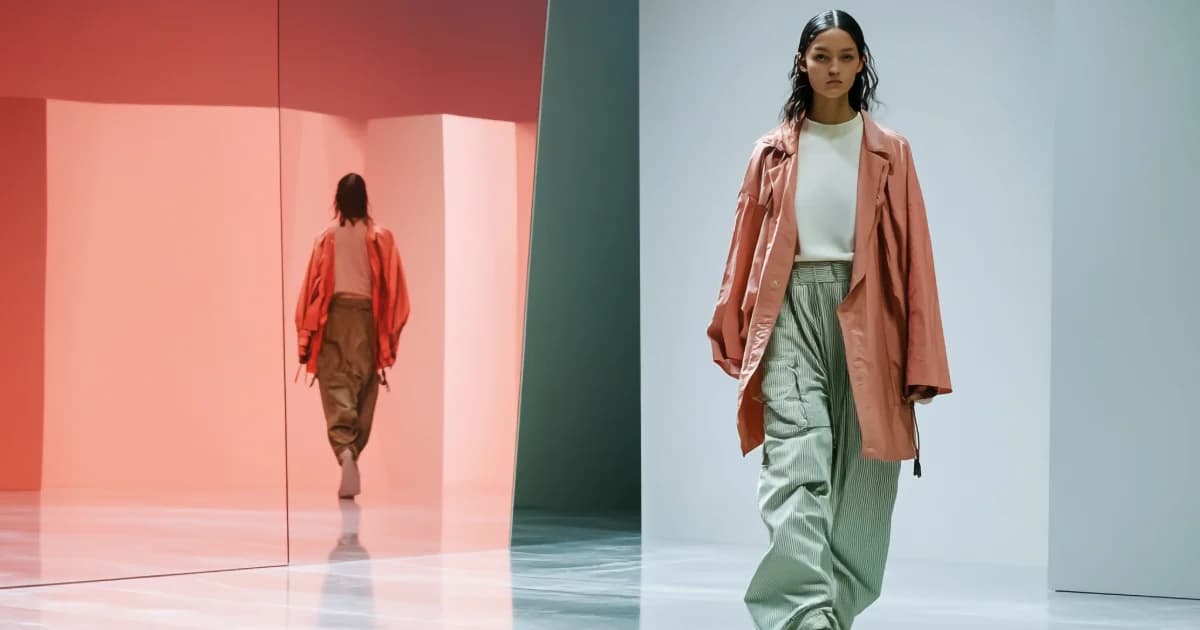
Fashion-tech startups have rapidly evolved from niche disruptors into powerful forces reshaping the global fashion ecosystem. Technology has become more than just a supporting tool—it is now the engine driving creativity, sustainability, consumer experience, and business transformation. What was once limited to runway spectacles is now a deep-rooted shift in how garments are designed, produced, marketed, and consumed. These startups are pushing the boundaries of innovation, making fashion more intelligent, automated, transparent, and environmentally responsible.
The intersection between fashion and technology has created a landscape where virtual design rooms replace physical workshops, AI-generated collections enter digital marketplaces, and consumers interact with brands through virtual try-ons and immersive shopping experiences. As digital tools continue to expand possibilities, the fashion industry is entering a new era—more precise, sustainable, data-driven, and creatively liberated than ever.
Fashion is no longer just about aesthetics; it is now deeply influenced by innovation. Startups are using advanced technology to redefine every layer of the fashion value chain. From 3D modelling to smart textiles, automation, and machine learning, fashion is undergoing a complete digital upgrade. The industry now relies on technologies that allow designers to experiment without waste, brands to predict trends with accuracy, and consumers to shop more consciously.
These new solutions go beyond the runway, addressing backend challenges that large brands ignored for decades. Whether reducing reliance on physical samples, lowering environmental harm, or streamlining supply chains, the rise of fashion-tech signals a shift toward efficiency and responsibility. The power no longer lies solely in creative direction but equally in technological vision.
One of the fastest-growing innovations is the use of virtual design spaces, where designers experiment with silhouettes, colours, and textiles digitally before moving to production. Virtual tools enable teams to visualise collections in 3D, test the movement of garments, adjust draping, and make precise edits without stitching a single piece of fabric.
This approach reduces waste drastically and shortens the development cycle. A collection that once required dozens of physical samples can now be finalised digitally. Startups specialising in virtual prototyping offer immersive environments that replicate texture, flow, and structure with near-perfect accuracy.
Virtual design also allows brands to stay ahead of trends. Seasonal edits can be created within days, allowing rapid turnaround for consumer demands. For new designers, this becomes a cost-effective entry point, removing the need for expensive studio spaces or large manufacturing teams.
AI-generated design is revolutionising creativity. Startups are using machine learning algorithms to analyse global fashion data, consumer behaviour, cultural trends, and even art history to generate innovative designs. This technology does not replace designers; it enhances their abilities by giving them endless possibilities.
AI-generated patterns, prints, and silhouettes allow creators to break away from traditional boundaries. Designers can input themes—minimalist streetwear, vintage influence, futuristic silhouettes—and receive multiple AI-generated design suggestions. This accelerates the conceptual phase dramatically.
Moreover, AI allows mass customization, where consumers can personalize garments in real time. This blends creativity with consumer empowerment, closing the gap between designer intention and buyer preference.
Startups at the forefront are developing systems where digital garments can be tested virtually through augmented reality (AR), ensuring fit and visual appeal before production. This reduces returns, overproduction, and waste—addressing both business goals and environmental needs.
The production stage has historically been the most challenging part of the fashion supply chain. Fashion-tech startups are transforming manufacturing with automation, robotics, and AI-driven forecasting tools.
Some of the innovations include:
AI-driven cutting machines that reduce fabric waste
Robotic sewing systems that increase accuracy
Digital twin technology that simulates factory operations
Real-time supply chain monitoring
Predictive demand analytics
These solutions reduce human error, speed up production cycles, and minimise overstock. For an industry notorious for its environmental footprint, precision manufacturing brings long-term sustainability benefits.
Smart factories are also enabling smaller designers to scale without massive capital investment. Through on-demand production models, brands can manufacture garments only when orders are placed, reducing leftover inventory and financial loss.
Technology is helping fashion finally confront its environmental impact. Startups are using digital tools to reduce waste, adopt circular practices, and make production more transparent.
Virtual sampling eliminates the need for physical swatches, saving water, chemicals, and fabric waste.
Algorithms predict optimal fabric usage, reducing leftover materials.
Consumers can track the origin of materials, labour standards, and production processes.
Startups innovate with fibres made from ocean plastics, agricultural waste, and lab-grown materials.
Brands use tools to measure CO₂ emissions per garment, empowering better decisions.
Sustainability is no longer a branding choice but a technological pursuit. Consumers increasingly prefer brands adopting environmental responsibility, making sustainable tech not just ethical, but profitable.
One of the most exciting innovations is virtual try-on technology. Using AR and 3D modelling, consumers can visualise how garments look on their bodies without physically trying them. This enhances online shopping, reduces return rates, and offers an interactive fashion experience.
Virtual try-ons provide:
Real-time body mapping
Accurate garment draping
Personalised fit suggestions
Skin tone and style matching
Social sharing features for consumer engagement
This technology brings together digital fashion and retail, creating a more immersive and efficient shopping journey.
Fashion-tech startups are pioneering digital-only garments—pieces that exist exclusively in the virtual world. These digital garments can be:
Worn in virtual photoshoots
Overlaid on images through AR
Used in virtual worlds and gaming environments
Sold as NFTs or collectables
Featured in digital fashion shows
Digital fashion is sustainable, innovative, and creatively boundless. It doesn’t require fabric, water, or physical labour. Consumers, especially younger audiences, find digital fashion appealing for social media aesthetics and metaverse interactions.
AI-generated digital garments are a new frontier, merging computation with imagination. Designers no longer rely on traditional constraints; digital garments allow exaggeration, fantasy, and artistic freedom without environmental impact.
Consumers today expect more than shopping—they demand experience, transparency, and engagement. Fashion-tech startups understand these expectations and design products around them.
The modern consumer values:
Sustainability
Personalisation
Transparency
Innovation
Digital interaction
Efficient delivery
Immersive shopping
With digital tools powering websites, apps, and virtual marketplaces, the consumer journey becomes more intuitive. From virtual try-ons to AI styling assistants, technology creates a personalised experience once available only through luxury retail.
Consumers also appreciate educational transparency—knowing how garments are made, what materials are used, and how their purchase impacts the environment. Technology enables brands to share this information visually and interactively.
Fashion-tech platforms connect designers, manufacturers, consumers, and retailers. Startups are building ecosystems where every participant benefits through smart integration.
Virtual showrooms
Digital garment presentations
AI-driven product recommendations
Real-time inventory management
Cross-border shopping
Payment innovations
Resale and recycling modules
These platforms democratise fashion. Small designers gain global visibility, consumers receive diverse choices, and brands enjoy streamlined operations.
Digital marketplaces have transformed into collaborative spaces where designers share virtual catalogues, manufacturers upload service capabilities, and consumers browse interactive fashion ecosystems.
The rise of fashion-tech startups marks the beginning of a long-term transformation. As innovation accelerates, the future will include:
Hyper-personalised AI shopping
Fully automated supply chains
On-demand microfactories
Virtual fashion weeks
Digital wardrobe assistants
Smart textiles with embedded sensors
Climate-responsive materials
Photorealistic virtual garments
AI-driven sustainability audits
Fashion will become predictive, interactive, and environmentally intelligent. Innovation will no longer be limited to the runway—it will guide every decision from design to delivery.
Fashion-tech startups are shaping a world where creativity meets computation and sustainability blends with digital efficiency. As technology continues to evolve, fashion will unlock endless possibilities that once seemed unimaginable.