Loading...
03 April 2026
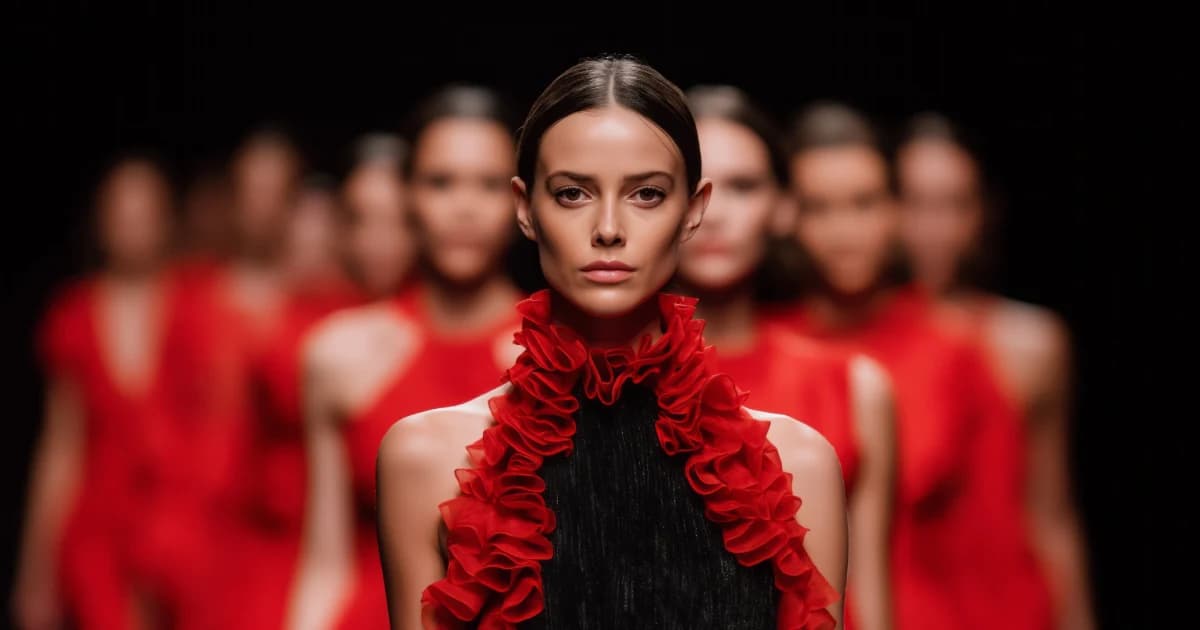
In the modern fashion landscape, the front row of Fashion Week is no longer the only place where trends are born. While legendary designers once held the exclusive keys to what we would wear six months down the line, a seismic shift has occurred. Today, the most influential "runways" are often found on our streaming screens. Shows like Emily in Paris and Euphoria have transcended the realm of mere entertainment to become cultural blueprints that communicatea new era of visual storytelling. These productions don't just dress their characters; they create aesthetic movements that ripple through the industry, forcing luxury houses to take note of the viral outfits dominating social media feeds. The phenomenon of "screen-to-closet" fashion relies heavily on the psychological connection between the viewer and the screen. When a show captures the zeitgeist as effectively as these two hits have, it moves beyond costume design and enters the world of high-fashion curation. We are seeing a democratization of style where the personalityof a fictional character can spark a global demand for specific textures, colors, and silhouettes, ultimately manifesting as centerpiece collections on the catwalks of Milan and Paris. When Emily in Paris first debuted, it was met with both adoration and critique for its unapologetically loud wardrobe. However, the influence of costume designer Marylin Fitoussi (and formerly Patricia Field) cannot be understated. The show’s aesthetic—a vibrant mix of clashing patterns, berets, and luxury logos—reignited a global interest in maximalism. This "more is more" philosophy directly mirrors the recent pivot seen in major fashion houses. Brands that previously leaned into "quiet luxury" began experimenting with bold color palettes and eclectic layering. The show manages to communicate a sense of escapism that the industry desperately craved. It isn't just about the clothes; it’s about the confidenceEmily Cooper exudes while wearing them. That specific brand of confidence is what designers are now trying to stitch into their own garments. We see this influence in the resurgence of structured blazers, bold floral prints, and the "power accessory." The outfits seen on the cobbled streets of Paris in the show have encouraged designers like Giambattista Valli and Chanel to lean further into playful, feminine boldness. The charactersin Emily’s world represent various facets of the modern professional woman, and their wardrobes provide a template for how to blend corporate expectations with personal flair. On the opposite end of the stylistic spectrum lies Euphoria. If Emily in Paris is a bright, sunny daydream, Euphoria is a neon-drenched, glitter-streaked fever dream. The show’s costume designer, Heidi Bivens, did more than just dress teenagers; she defined the aesthetic of Gen Z. The "Euphoria Effect" is characterized by Y2K nostalgia, sheer fabrics, cut-outs, and subversive basics. The way these characters use clothing to navigate their internal struggles has changed how the fashion industryapproaches "edgy" design. We’ve seen a massive influx of "Euphoria-core" on the runways of Alexander Wang, Dion Lee, and Mugler. The focus on body-conscious silhouettes and unconventional materials reflects the raw personality of the show’s cast. When a character like Maddy Perez wears a matching set with daring cut-outs, it sends a message of reclaimed power. This visual language is something designers use to communicate with a younger, more daring audience. The outfitsaren't just clothes; they are armor. This sense of rebellious confidence has moved from the screen to the runway, where "subversive basics" have become a staple of contemporary luxury fashion. The boundary between costume design and high-fashion creative direction is blurring. In the past, a costume designer’s job was to support the narrative. Now, the narrative is often about the fashion. The industry has recognized that these shows have the power to move product faster than any traditional advertising campaign. When a show can communicate a specific mood so effectively that it trends for months, designers often look to those characters for inspiration during the sketching phase. The personality of a character like Camille or Jules becomes a "muse" for a collection. This cycle creates a feedback loop: A show debuts with iconic outfits. Social media platforms like TikTok and Instagram viralize the "look." Fast fashion replicates the trend instantly. High-fashion designers refine the trend for the next season’s runway to reclaim the "luxury" status of the aesthetic. This loop ensures that the confidence associated with these televised looks remains accessible at every price point, while the industry continues to evolve its visual standards. It is impossible to discuss the influence of Euphoria without mentioning the makeup. Donni Davy’s use of rhinestones, graphic liner, and glitter didn’t just stay on the faces of the characters; it migrated to the runways of New York Fashion Week almost overnight. This integration of beauty and apparel is a key way shows communicate a cohesive "vibe." Fashion shows are no longer just about the outfits; they are about the total transformation. The personality of the model on the runway is now often heightened by theatrical beauty choices that were popularized by streaming hits. This holistic approach to styling allows brands to project a sense of confidence that feels modern and relatable to a digitally-native audience. The reason the fashion industry pays such close attention to these shows is simple: data. The "Emily effect" resulted in a massive spike in searches for "bucket hats" and "checkered blazers" within hours of a season release. When characters wear something, it becomes a validated trend before it even hits a store shelf. Fashion is a business of prediction, and TV shows have become the most reliable crystal balls. By analyzing the outfits that resonate most with viewers, brands can tailor their upcoming collections to meet a pre-existing demand. This shift ensures that the confidence of the consumer is high when they finally purchase these runway-inspired pieces, as they have already "vetted" the look through their favorite media. The power of Emily in Paris and Euphoria lies in their ability to make high-fashion feel like a character trait rather than just a garment. They communicate that style is a tool for self-reinvention. Whether it is the polished, whimsical aesthetic of Emily or the dark, experimental edge of Rue and Maddy, these characters give the audience permission to experiment with their own personality. As we move forward, the "runway" will continue to expand. The industry will likely see even more direct collaborations between showrunners and luxury labels. We are already seeing "shoppable" episodes and limited-edition collections based on TV outfits. The confidence of the modern consumer is now tied to their ability to curate a life that looks as cinematic as the shows they watch. The influence of these shows is a testament to the power of visual storytelling. As long as we continue to fall in love with the characters on our screens, their wardrobes will continue to dictate the fabrics, colors, and trends that define our world. The runway is no longer a distant stage; it is a living, breathing extension of our digital consumption, powered by the personality and outfits that capture our collective imagination.The Maximalist Dream: Emily in Paris and the Return of Kitschy Chic
The Euphoria Effect: Gritty Glamour and Neon Nostalgia
How Costume Designers Became the New Creative Directors
The Role of Makeup and Beauty in Runway Integration
The Business of Influence: Why the Industry Listens
Bridging the Gap Between Fiction and Reality