Loading...
30 December 2025
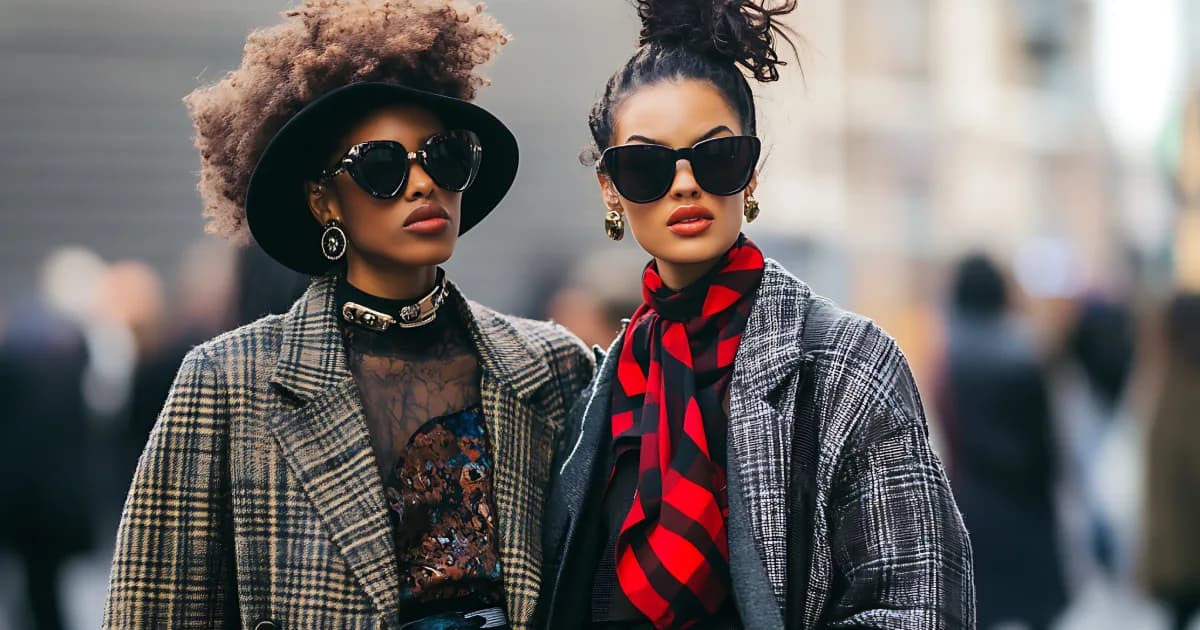
In the modeling industry, personal style is not just about aesthetics—it is a strategic asset. Top models understand that a thoughtfully curated wardrobe communicates professionalism, versatility, and confidence long before they step onto a runway or into a casting room. Wardrobe wisdom is built through experience, collaboration with designers, and a deep understanding of how clothing interacts with movement, lighting, and purpose.
Models who succeed across fashion capitals and celebrity circles develop a refined sense of styling that goes beyond trends. Their wardrobes are transitional, adaptable to seasonal shifts and event-specific demands, while remaining authentic to their personal brand. This balance between individuality and industry expectations is what separates emerging talent from established professionals.
A model’s wardrobe functions as an extension of their portfolio. Every outfit choice reflects awareness of fashion context, brand alignment, and occasion appropriateness. Top models approach wardrobe planning with intention, recognizing that clothing choices influence perception among casting directors, photographers, and brand proprietors.
Professional models invest time in understanding silhouettes, fabrics, and tailoring. They know how a dress drapes on the body, how proportions affect posture, and how subtle styling details elevate an overall look. These skills are learned through observation, mentorship, and collaboration with experienced designers who emphasize precision and craftsmanship.
Wardrobe wisdom begins with recognizing that clothing must serve a purpose—whether for a runway show, editorial shoot, or high-profile event. Each scenario demands a different styling approach, and mastering this adaptability is a critical skill for long-term success.
Designers play a pivotal role in shaping a model’s understanding of style. Working closely with creative directors and fashion houses exposes models to the philosophy behind each collection. This insight helps them appreciate why certain cuts, textures, and color palettes are chosen for specific seasons or events.
Top models often speak about how designers teach them to respect garments. Learning how to walk in structured couture, move gracefully in fluid fabrics, or pose in avant-garde silhouettes builds technical awareness. These experiences shape how models curate their personal wardrobes, selecting pieces that reflect quality, versatility, and timeless appeal.
Understanding designers’ intentions also allows models to style themselves intelligently off the runway. They learn how to mix statement pieces with minimal essentials, creating looks that feel elevated without appearing overstyled.
One of the most valuable styling secrets from top models is the ability to build a transitional wardrobe. Transitional dressing allows garments to adapt seamlessly across changing seasons and varying professional demands.
A transitional wardrobe focuses on layering, neutral palettes, and versatile fabrics. Lightweight coats, tailored blazers, and adaptable knitwear form the backbone of a model’s closet. These pieces transition effortlessly from seasonal shifts—summer to fall, winter to spring—while remaining relevant for both casual and formal events.
Models also prioritize clothing that can be styled multiple ways. A classic dress might be worn with boots for a daytime casting, heels for an evening event, or layered with a structured jacket for editorial work. This adaptability reflects not only style intelligence but also sustainability, an increasingly important consideration in fashion.
Seasonal changes demand wardrobe adjustments, but top models maintain a consistent personal aesthetic year-round. Seasonal styling is about adaptation, not reinvention.
During warmer months, models opt for breathable fabrics, clean silhouettes, and subtle layering. In colder seasons, they emphasize texture, structure, and depth through coats, scarves, and tailored pieces. Understanding how seasonal fabrics behave allows models to maintain elegance while staying comfortable and camera-ready.
Professional models also anticipate seasonal fashion cycles. They stay informed about upcoming trends introduced by designers, enabling them to integrate contemporary elements into their wardrobes without losing individuality. This awareness ensures relevance while preserving authenticity.
Event dressing is a critical skill in the modeling world. From fashion shows and brand launches to celebrity appearances and private industry gatherings, each event carries unspoken styling expectations.
Top models research events in advance, considering the brand identity, venue, and audience. They select outfits that align with the occasion while subtly showcasing personal style. This balance demonstrates professionalism and respect for industry norms.
For formal events, models often choose understated elegance—tailored dresses, monochrome palettes, and refined accessories. For creative or fashion-forward events, they may experiment with bold silhouettes or statement pieces, always ensuring the look remains cohesive.
Understanding event dressing also means knowing when to let the dress speak for itself. Over-accessorizing can detract from a well-designed garment, especially when designers’ work is meant to be the focal point.
Proprietors of fashion houses, luxury brands, and modeling agencies influence how style is perceived and presented. Their expectations often set the tone for professional styling, particularly in high-profile environments.
Top models observe how proprietors respond to wardrobe choices during fittings, events, and campaigns. This awareness helps them refine their styling decisions to align with industry leadership while maintaining individuality.
Understanding proprietors’ perspectives also teaches models the importance of consistency and brand alignment. Clothing choices that reflect reliability and tasteworthiness enhance a model’s reputation and increase opportunities for repeat collaborations.
While versatility is essential, top models often cultivate a signature look that distinguishes them. This signature is not restrictive; rather, it serves as a foundation upon which variety is built.
A signature look might be defined by color preferences, silhouettes, or styling details. Some models are known for minimalist tailoring, others for bold textures or classic elegance. Establishing this identity helps models stand out in a competitive industry while remaining adaptable.
Designers and stylists often appreciate models who understand their own aesthetic. It streamlines collaboration and ensures that styling choices enhance, rather than overshadow, creative concepts.
Accessories play a subtle but powerful role in wardrobe styling. Top models use accessories strategically to elevate outfits without overpowering them.
Quality footwear, structured bags, and understated jewelry are favored for their versatility. These items transition easily between seasonal looks and event types, reinforcing the concept of a cohesive wardrobe.
Models also understand proportion. Accessories should complement body lines and outfit structure, not compete with them. This restraint reflects maturity in styling and an understanding of visual balance.
Wardrobe wisdom extends beyond styling—it includes care and organization. Top models treat their wardrobes with discipline, maintaining garments meticulously to ensure longevity and presentation quality.
Clothing is stored properly, tailored when necessary, and rotated seasonally. This level of care reflects professionalism and respect for designers’ work. Well-maintained garments photograph better, move better, and leave lasting impressions.
Models also keep wardrobe inventories, making it easier to assemble looks for specific events or seasonal requirements. This organization saves time and reduces styling stress, particularly during busy fashion weeks.
Styling for Castings and Everyday Professional Life
Everyday styling is often overlooked, yet it plays a crucial role in modeling careers. What a model wears to castings, meetings, or travel days communicates seriousness and preparedness.
Top models favor clean lines, neutral tones, and well-fitted basics for daily professional settings. These choices allow their physical features and confidence to take center stage, rather than distracting styling elements.
Even casual outfits are intentional. A simple dress, tailored trousers, or a structured jacket can convey approachability and competence simultaneously. This consistency builds trust with industry professionals.
Many styling secrets are learned through observation rather than formal instruction. Top models study how designers, stylists, and editors interact with clothing. They pay attention to how garments are adjusted, styled, and photographed.
This observational learning sharpens intuition. Models develop an eye for balance, proportion, and movement—skills that inform personal wardrobe decisions. Over time, these insights become instinctive, guiding styling choices effortlessly.
Fashion education, whether formal or experiential, reinforces wardrobe wisdom. Understanding fashion history, textile innovation, and cultural influences adds depth to styling decisions and enhances professional credibility.
Trends are transient, but wardrobe wisdom prioritizes longevity. Top models selectively engage with trends, incorporating elements that complement their personal style without overwhelming it.
Timeless pieces—tailored coats, classic dresses, neutral footwear—anchor wardrobes and allow trendy items to rotate without disruption. This balance ensures that wardrobes remain relevant across seasons and events.
Designers often appreciate models who respect timeless aesthetics. It demonstrates maturity and an understanding of fashion as an evolving art form rather than a fleeting spectacle.
No wardrobe is complete without confidence. Top models emphasize that clothing should enhance, not define, the individual. Confidence transforms even the simplest dress into a statement.
Wardrobe wisdom is ultimately about alignment—between clothing, context, and self-awareness. When models feel comfortable and authentic in their attire, it reflects in posture, movement, and presence.
This confidence is cultivated through experience, thoughtful styling, and an understanding of one’s strengths. It is the unspoken element that elevates fashion from clothing to expression.
Styling choices influence career longevity. Models who approach wardrobe decisions strategically are better positioned to adapt to industry changes, seasonal demands, and evolving expectations.
A well-curated, transitional wardrobe supports versatility, reduces burnout, and enhances professional consistency. It enables models to move seamlessly between fashion, editorial, and event-driven opportunities.
By learning from designers, respecting proprietors’ expectations, and mastering the art of dressing for seasonal and event-specific contexts, models transform wardrobe wisdom into a sustainable competitive advantage.