Loading...
05 June 2026
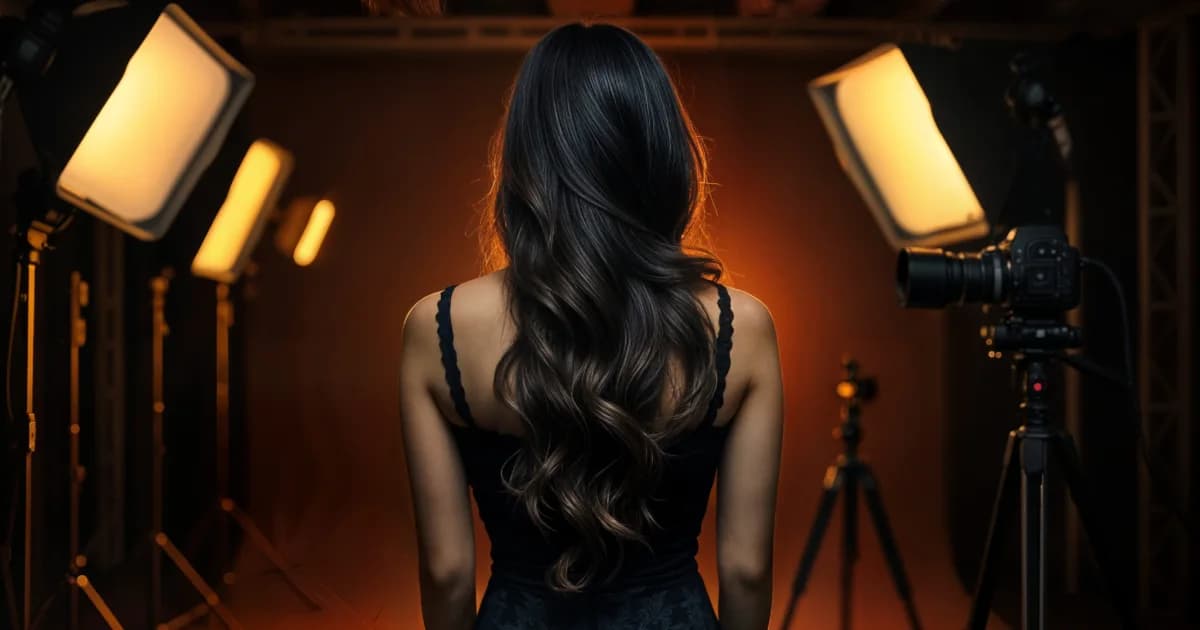
Being camera ready in today's modeling industry goes far beyond having attractive features. Modern agencies, photographers, and brands look for individuals who project confidence, energy, and professionalism in every appearance. One of the most important factors behind that presence is physical wellness. Models who maintain healthy lifestyles often perform better during shoots and are able to handle demanding schedules more effectively.
A balanced routine that includes proper hydration, quality sleep, and nutritious meals contributes significantly to overall appearance. Many professionals include healthy fats in their diets because they support skin health, energy levels, and overall well-being. Rather than focusing on extreme fitness trends, successful models prioritize sustainable habits that help them look and feel their best. Long shooting days require endurance, and wellness plays a major role in maintaining consistency throughout a career.
Advancements in photography and video technology have made skincare an essential part of modeling preparation. High-definition cameras capture even the smallest details, making healthy skin one of the most valuable assets a model can have. A polished appearance starts with daily care rather than relying solely on makeup or editing.
Many professionals follow customized skincare routines that include cleansing, moisturizing, and sun protection. Consuming healthy fats can also contribute to maintaining healthy-looking skin from within. The growing popularity of GRWM content has allowed audiences to see the preparation routines that models follow before photoshoots and events. These insights have emphasized the importance of consistency when it comes to personal care.
Hair maintenance, grooming, and attention to detail are equally important. Models who invest in these areas often appear more versatile and adaptable, allowing creative teams to work more efficiently. Today's industry values natural beauty enhanced through proper care rather than excessive alteration.
Looking good in front of a camera requires more than appearance alone. A successful model knows how to communicate emotion, personality, and confidence through posture, movement, and facial expressions. This ability often distinguishes professionals from newcomers.
Developing strong photographic awareness is essential. Models must understand how lighting, angles, and composition influence the final image. Small adjustments in posture or expression can dramatically improve a photograph and help achieve the creative vision of a campaign. This skill comes from practice, observation, and experience.
The rise of digital platforms has made it easier for aspiring models to gain experience and receive feedback. Through consistent content creation, individuals can learn how different poses and expressions perform on camera. Reviewing previous work also helps identify strengths and areas for improvement. Strong photographic skills allow models to adapt quickly to different creative concepts, making them more valuable to clients and photographers.
The definition of a successful model has expanded significantly in recent years. Today, a professional portfolio is only one part of the equation. Personal branding has become increasingly important as brands seek individuals who can connect with audiences beyond traditional fashion campaigns.
The growth of digital platforms has transformed how talent is discovered and promoted. Models can now showcase their work directly to potential clients and build communities around their personal style and experiences. This visibility creates opportunities that extend beyond traditional agency representation.
The rise of fashion influencing has also blurred the line between modeling and content creation. Many successful models actively share behind-the-scenes content, lifestyle updates, and industry insights. Formats such as GRWM videos help demonstrate personality while showcasing professionalism and consistency. By developing a recognizable personal brand, models can strengthen their industry presence and increase career opportunities.
Being camera ready is not just about appearance; it also involves professionalism and reliability. Fashion productions often involve large teams working under strict timelines, making adaptability a valuable skill. Models who arrive prepared and maintain a positive attitude are more likely to build long-term relationships within the industry.
Collaboration is a crucial part of every project. Models frequently work alongside photographers, stylists, makeup artists, and designers to bring creative concepts to life. Understanding how to interpret direction and respond efficiently helps productions run smoothly. This professionalism often leaves a lasting impression on clients.
Adaptability is equally important because every assignment has unique requirements. A commercial campaign may demand approachable expressions, while editorial work might require more dramatic poses. Strong photographic understanding helps models adjust quickly to different styles and expectations. Maintaining balanced nutrition, including healthy fats, can also support energy and focus during long workdays, ensuring consistent performance under pressure.
The modeling industry continues to evolve, and the qualities that define a camera-ready model are evolving with it. Authenticity, individuality, and versatility are becoming increasingly important as brands move away from narrow beauty standards. Modern audiences want to see real personalities and relatable stories alongside professional-quality visuals.
The expansion of digital platforms has created opportunities for talent from diverse backgrounds to gain visibility and recognition. This shift has encouraged the industry to embrace broader representations of beauty and identity. At the same time, fashion influencing continues to shape consumer expectations, making communication and audience engagement valuable skills for modern models.
Many aspiring professionals use GRWM content to share expertise, preparation routines, and personal experiences with their audiences. Meanwhile, leading designers are embracing diversity and inclusivity in casting decisions, helping redefine industry standards. As these trends continue to develop, being camera ready will involve much more than appearance alone.
Today's camera-ready model combines confidence, wellness, professionalism, and creativity. Strong photographic skills, consistent self-care habits, and the ability to connect with audiences all contribute to long-term success. Models who embrace these qualities are better prepared to thrive in an industry that values authenticity as much as visual appeal.