Loading...
24 March 2026
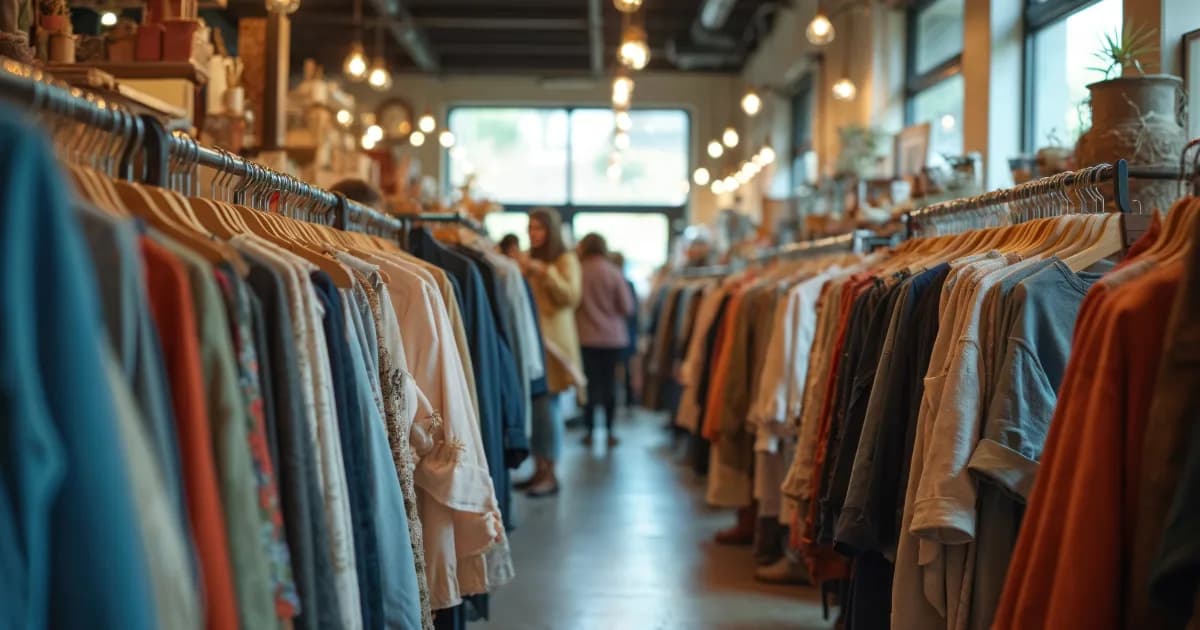
The fashion industry has experienced rapid growth over the past few decades, evolving into one of the most influential global markets. Clothing is no longer just about style; it reflects culture, identity, innovation, and lifestyle choices. However, as the industry expanded, concerns about environmental impact, labor conditions, and resource consumption also began to rise. These concerns have led to a growing focus on ethical fashion and responsible production practices.
Ethical fashion emphasizes transparency, responsible sourcing, fair treatment of workers, and environmental awareness. Consumers are becoming more informed and are paying closer attention to how their clothing is produced, where materials come from, and how brands operate behind the scenes. This shift in awareness is driving meaningful change across the fashion world.
People now look beyond attractive designs and outfits. They want clothing that aligns with their values and contributes to a better future for the planet and society. As a result, ethical fashion is no longer considered a niche concept but a major movement shaping the modern industry.
One of the biggest reasons ethical fashion is becoming more important is the increased awareness among consumers. Access to information through digital platforms has made it easier for people to understand the realities of clothing production.
Consumers today are more likely to research brands before making purchases. They often consider:
Where materials are sourced
How garments are manufactured
Whether workers are treated fairly
The environmental impact of production
Long-term durability of clothing
This shift has changed purchasing habits significantly. Instead of buying large quantities of fast fashion items, many individuals are choosing fewer but better-quality pieces that last longer.
People are beginning to recognize that clothing choices can influence environmental and social outcomes. This awareness has led to stronger demand for brands that prioritize sustainability and responsible production methods.
Fashion production requires large amounts of water, energy, and raw materials. Overproduction and waste have become major challenges for the industry. Fast fashion models often encourage frequent purchases and quick disposal of clothing, contributing to landfill waste and environmental strain.
Ethical fashion aims to reduce these impacts by promoting more responsible practices such as:
Using eco-friendly materials
Reducing water consumption
Minimizing waste during production
Recycling and upcycling fabrics
Extending product lifespan
Brands that adopt these practices contribute to lowering the environmental footprint of the industry.
Consumers are increasingly supporting companies that demonstrate commitment to sustainability, as environmental responsibility is becoming a central concern in modern lifestyle decisions.
Transparency has become a key factor in building trust between brands and consumers. Ethical fashion encourages companies to share information about their supply chains, sourcing practices, and production methods.
Transparent brands often provide insights into:
Manufacturing processes
Worker conditions
Material sourcing
Environmental goals
Quality standards
When companies openly communicate these details, consumers feel more confident about their purchases. Transparency also encourages accountability, pushing brands to maintain high standards.
This shift is helping reshape the fashion industry into a more responsible and consumer-conscious market.
Labor conditions have been one of the most significant concerns within the fashion sector. Ethical fashion addresses these issues by promoting fair wages, safe working environments, and proper labor standards.
Many consumers now support brands that ensure:
Safe workplaces
Fair compensation
Reasonable working hours
Ethical sourcing partnerships
Worker welfare programs
Improving labor conditions benefits both workers and the overall reputation of the industry. Brands that prioritize ethical labor practices often develop stronger long-term relationships with their workforce and customers.
The growing demand for ethical practices is encouraging companies to reevaluate their manufacturing processes and adopt more responsible policies.
Another reason ethical fashion is gaining importance is the shift toward quality-focused consumption. Instead of frequently purchasing low-cost clothing that wears out quickly, many consumers prefer durable garments that maintain their appearance over time.
High-quality clothing often provides better comfort, structure, and design longevity. Just as people aim for Flawless results in personal care routines like skincare, they are also seeking reliability and quality in their wardrobe choices.
Clothing that lasts longer reduces waste and encourages mindful purchasing. This approach supports both environmental goals and financial value for consumers.
Digital platforms have played a significant role in spreading awareness about ethical fashion. Influencers, designers, and industry experts frequently discuss responsible practices, encouraging audiences to adopt conscious shopping habits.
Educational content about fabric sourcing, garment durability, and brand values has helped consumers understand the broader impact of their purchases.
Social media also provides a space where brands can showcase their commitment to ethical practices. Companies that demonstrate responsible manufacturing processes often build stronger connections with their audience.
The visibility created by digital platforms continues to accelerate the shift toward ethical fashion.
Material selection is a critical part of ethical fashion. Many brands are now exploring alternative fabrics that are environmentally friendly and responsibly sourced.
Examples of sustainable materials include:
Organic cotton
Recycled fibers
Plant-based textiles
Low-impact dyes
Biodegradable fabrics
These materials help reduce environmental harm while maintaining comfort and durability.
Innovation in fabric development is allowing designers to create stylish outfits without compromising environmental responsibility.
This progress is encouraging more brands to adopt sustainable materials as part of their production strategies.
Sustainable design focuses on reducing waste throughout the lifecycle of clothing. Designers are increasingly creating garments that use fabric efficiently and minimize leftover materials.
Some strategies include:
Pattern optimization
Modular clothing design
Recyclable components
Multi-use garments
Durable construction
These methods contribute to more responsible production and reduce the amount of clothing that ends up discarded.
Sustainable design practices support the long-term goals of sustainability while also maintaining creative freedom in fashion.
Modern consumers are becoming more mindful about their purchasing decisions. Conscious consumerism involves understanding the broader impact of buying habits and choosing products that align with ethical values.
People now consider factors such as:
Product longevity
Brand ethics
Environmental impact
Material quality
Responsible sourcing
This mindset is changing how brands operate. Companies that ignore ethical concerns risk losing customer trust, while those that embrace responsible practices gain loyalty.
The rise of conscious consumerism is one of the strongest forces driving the growth of ethical fashion.
Ethical fashion is not only about environmental and social responsibility; it also relates to personal well-being. Many people prefer clothing made from natural or safer materials that are gentle on the skin.
Certain fabrics and chemicals used in traditional manufacturing processes may contribute to skin irritation for some individuals. Ethical brands often prioritize materials and processes that reduce harmful exposure.
This approach aligns with broader health-focused lifestyles that include attention to diet, fitness, and skincare.
Clothing made with safe materials and responsible production standards contributes to both comfort and confidence.
Brands play a central role in shaping the future of ethical fashion. Companies that actively invest in responsible practices are setting new standards within the industry.
Responsible branding involves:
Clear sustainability goals
Ethical sourcing partnerships
Long-term environmental strategies
Consumer education initiatives
Transparent communication
These elements help brands build trust and maintain strong reputations in an increasingly competitive market.
As more companies adopt ethical practices, the overall industry begins to shift toward more responsible operations.
The slow fashion movement is closely connected to ethical fashion. This movement encourages thoughtful production, higher quality standards, and longer product lifespans.
Slow fashion focuses on:
Timeless design
Durable materials
Reduced overproduction
Mindful consumption
Support for artisans and skilled workers
This approach contrasts with fast fashion models that prioritize rapid production and frequent product turnover.
Consumers who support slow fashion often value craftsmanship, sustainability, and meaningful design.
The slow fashion movement continues to influence how brands approach design and production strategies.
Education plays a major role in the growth of ethical fashion. As consumers learn more about industry practices, they are better equipped to make informed choices.
Educational initiatives include:
Sustainability campaigns
Fashion transparency reports
Brand storytelling
Documentaries and research
Digital learning resources
These efforts help people understand how clothing production affects the environment and communities.
Informed consumers are more likely to support brands that align with their values and avoid companies with questionable practices.
The shift toward ethical fashion requires collaboration among multiple stakeholders. Designers, manufacturers, retailers, and consumers all contribute to this transformation.
Collaborative initiatives may include:
Sustainable supply chain partnerships
Recycling programs
Industry guidelines
Environmental certifications
Ethical manufacturing standards
Working together allows the industry to address challenges more effectively and create lasting improvements.
Collaboration also encourages innovation in materials, design, and production processes.
Ethical fashion is driving innovation across the industry. Companies are developing new technologies and systems to reduce environmental impact while maintaining design excellence.
Innovations include:
Water-efficient production techniques
Recycled material technologies
Digital fashion design tools
Smart manufacturing systems
Circular fashion models
These advancements support both creative expression and responsible production.
Brands that embrace innovation often become leaders in the evolving fashion landscape.
Ethical fashion also has economic benefits. Responsible production methods often create stable jobs and support skilled craftsmanship in local communities.
By investing in fair labor practices and sustainable production, brands contribute to economic growth while maintaining ethical standards.
Consumers who support ethical brands indirectly support workers and communities involved in the production process.
This economic dimension strengthens the long-term viability of responsible fashion practices.
The importance of ethical fashion continues to grow as global awareness expands. Governments, organizations, and consumers are encouraging companies to adopt responsible practices.
Policies and regulations related to environmental protection and labor rights are also influencing how brands operate.
As a result, ethical fashion is gradually becoming a standard expectation rather than an optional initiative.
Companies that prioritize responsible practices are better positioned to adapt to future industry changes.
The future of fashion is closely connected to sustainability, innovation, and consumer awareness. Ethical fashion represents a shift toward a more balanced and responsible industry.
As people become more conscious of how their purchases affect the world, demand for ethical clothing will continue to grow.
Designers and brands are increasingly focusing on creating high-quality outfits that combine style with responsibility.
This shift encourages long-term thinking and responsible decision-making across the industry.
By supporting ethical fashion, consumers contribute to a system that values transparency, environmental care, worker welfare, and thoughtful design.
Over time, these changes will shape a fashion industry that prioritizes quality, responsibility, and meaningful impact while still delivering style, creativity, and confidence—just as people strive for Flawless results in their skincare routines and everyday lifestyle choices.