Loading...
26 December 2025
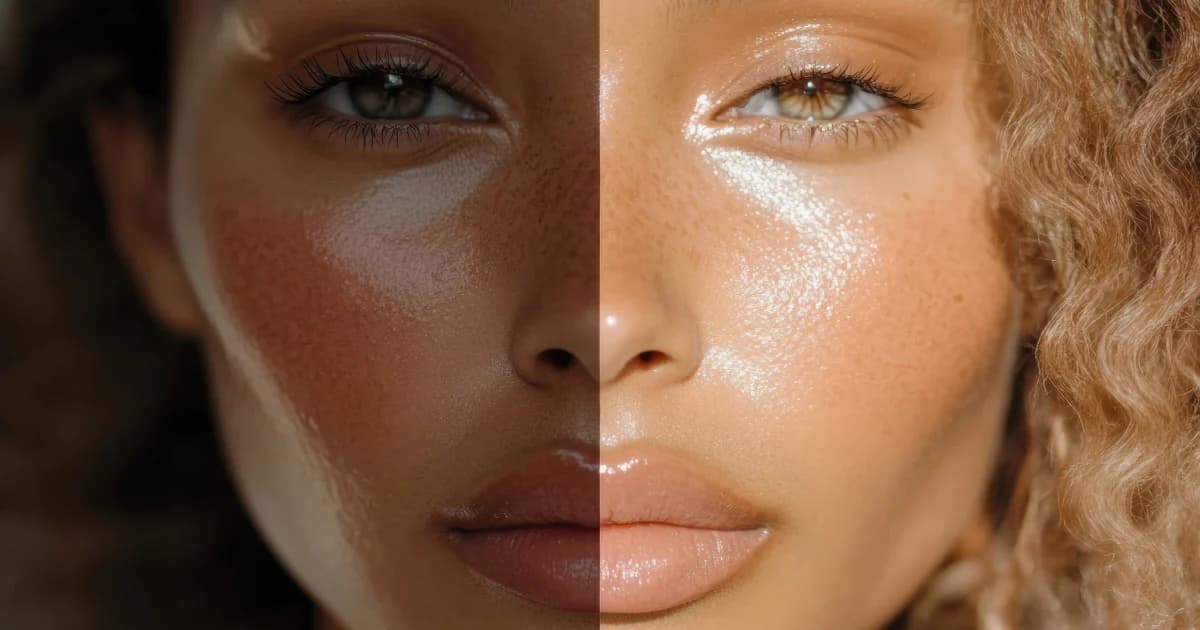
Modeling has always existed between two powerful forces: glamour and authenticity. Glamour commands attention, creates fantasy, and elevates fashion to spectacle. Natural beauty, on the other hand, establishes relatability, credibility, and emotional connection. Successful models learn how to balance both, adapting their presence based on context rather than choosing one over the other.
This balance is not accidental. It is a professional skill shaped by experience, awareness, and adaptability. Whether on a global runway, a commercial shoot, or a digital campaign, the ability to move seamlessly between polished glamour and understated natural beauty defines long-term success in the industry.
Glam in modeling serves a clear purpose: amplification. It enhances garments, lighting, mood, and storytelling. On the runway or editorial set, glam transforms the model into part of a visual narrative rather than an individual personality.
Heavy makeup, sculpted hair, and dramatic styling are tools used to support the designer’s vision. On stage, these elements ensure visibility and impact under intense lighting and distance. Glam is not about altering identity; it is about heightening presence for performance and communication.
Professional models understand that glam is situational and intentional—not a default state.
Natural beauty has become increasingly influential across modeling categories, especially in commercial, lifestyle, and digital campaigns. Brands seek authenticity, approachability, and trust—qualities best conveyed through minimal styling and honest presentation.
Natural beauty allows facial features, skin texture, and expressions to remain visible and human. This transparency helps audiences connect emotionally with campaigns, products, and messaging.
In many cases, natural beauty communicates confidence more effectively than heavy styling, particularly in close-up photography and video content.
Models must adapt their look depending on the environment. The stage demands projection, structure, and drama, while real-world campaigns often require softness and realism.
Runway shows rely on exaggerated makeup and styling to ensure garments read clearly from a distance. Conversely, e-commerce, social media, and brand storytelling prioritize clarity and relatability.
The ability to shift between these modes without losing professionalism is a defining trait of adaptable models.
Expression is central to modeling, regardless of styling intensity. Glam should never overpower expression—it should frame it. Even with bold makeup, the model’s ability to communicate mood, attitude, and narrative remains essential.
Subtle control of facial expressions allows glam looks to feel intentional rather than overwhelming. Eyes, posture, and micro-movements carry emotion even under dramatic styling.
Expressive control ensures that beauty enhances performance rather than distracting from it.
Models often rely on stylish staples to maintain balance between glam and natural beauty. These staples include well-groomed brows, healthy skin, neutral hair tones, and adaptable wardrobe basics.
Stylish staples create a strong foundation that works across casting calls, fittings, and shoots. They allow stylists and makeup artists to build up or strip back looks efficiently.
Versatility begins with preparation. Models who maintain consistent grooming and neutral presentation book more consistently across categories.
The materials used in fashion directly influence beauty decisions. Heavy fabrics, metallic finishes, or structured silhouettes often require stronger makeup and hair to maintain visual balance.
Lightweight materials, natural fibers, and soft draping typically pair better with minimal beauty looks. Understanding this relationship allows models to anticipate styling needs and adjust presence accordingly.
Beauty and fashion are not separate elements—they function as a unified visual system.
Beauty in modeling functions as a language. It communicates brand values, audience targeting, and cultural context. Glam speaks in bold statements, while natural beauty communicates clarity and trust.
Models who understand this language respond more effectively to direction. They recognize when to amplify presence and when to soften it.
Fluency in beauty language enhances collaboration with photographers, stylists, and creative directors.
Agencies play a critical role in guiding models toward balanced beauty representation. A professional agency—often led by a head agency3 structure—helps models understand market positioning and styling expectations.
Agencies advise on portfolio development, grooming standards, and digital presence. They help models avoid extremes that limit versatility, ensuring long-term marketability.
Balanced beauty is not about personal preference—it is about strategic positioning within the industry.
Grooming is the bridge that connects glam and natural beauty. Clean skin, maintained hair, and healthy posture ensure readiness for any styling direction.
Rather than relying on makeup to correct issues, professional models prioritize grooming consistency. This allows makeup artists to enhance rather than conceal.
Strong grooming habits reduce dependency on heavy styling and increase booking flexibility.
The modeling industry reflects broader cultural changes. Audiences increasingly value authenticity, representation, and realism. As a result, natural beauty has gained prominence across campaigns and editorials.
This shift does not eliminate glam—it contextualizes it. Glam becomes a creative choice rather than an expectation.
Models who embrace this shift position themselves as relevant, modern, and adaptable.
Digital platforms have reshaped how beauty is consumed and evaluated. High-definition screens, close framing, and constant visibility amplify details that were once overlooked.
Natural beauty translates more effectively in digital formats, where authenticity and subtlety resonate. Over-styling can appear artificial or dated on screens.
Understanding digital aesthetics helps models adjust presentation for online campaigns and social visibility.
One of the most complex aspects of modeling is separating personal identity from professional presentation. Glam looks may not reflect personal taste, just as natural looks may feel understated compared to runway work.
Professionalism requires adaptability without ego attachment. Models who understand this distinction maintain confidence regardless of styling direction.
This flexibility supports longevity and creative trust.
Confidence anchors both glam and natural beauty. Without confidence, even the most elaborate styling falls flat. With confidence, minimal presentation becomes compelling.
Confidence comes from preparation, experience, and understanding one’s strengths. It allows models to inhabit any look convincingly.
Balanced beauty is ultimately a reflection of inner stability expressed visually.
Experience teaches models when to push and when to restrain. Over time, they learn how different lighting, angles, and materials interact with styling.
Runway training, test shoots, and on-set exposure refine judgment. Models develop instinctive awareness of balance.
This refinement separates professionals from beginners.
Different markets demand different beauty standards. High fashion, commercial, fitness, and lifestyle modeling each prioritize balance differently.
Understanding market expectations prevents misalignment. Models who adapt quickly remain competitive across regions and categories.
Awareness of demand ensures strategic presentation rather than reactive styling.
Models who maintain balance between glam and natural beauty sustain longer careers. Extremes limit opportunity, while balance expands it.
Versatile presentation supports consistent bookings, brand trust, and cross-category work.
Longevity in modeling is built on adaptability, not aesthetic rigidity.