Loading...
21 July 2026
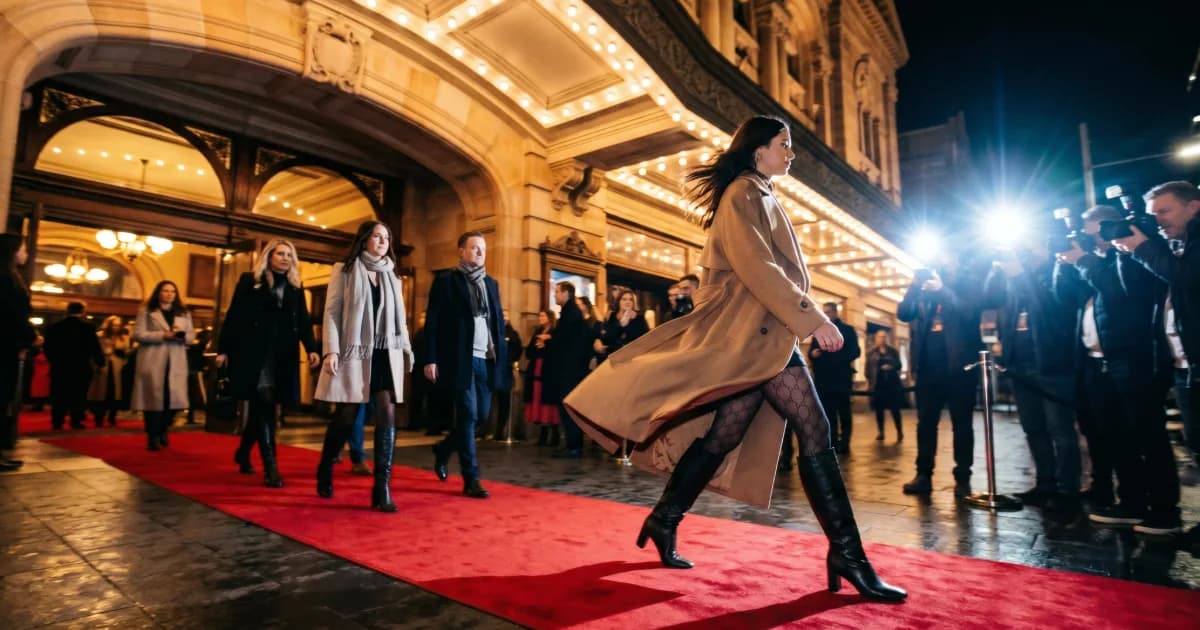
Fashion has always evolved alongside art, entertainment, and culture, but celebrities now play a more influential role than ever before. A single appearance at a movie premiere, award ceremony, sporting event, or social gathering can spark a worldwide fashion movement within hours. Their clothing choices inspire designers, retailers, stylists, and consumers, making celebrity style one of the strongest marketing forces in the fashion business. Luxury brands compete to dress actors, musicians, athletes, and digital personalities because their visibility creates immediate recognition and often drives significant sales. Instead of relying solely on runway presentations, many brands now launch collections around celebrity appearances to generate excitement and media attention.
The rise of digital entertainment has further accelerated this influence. Fans closely follow trending tv shows to admire wardrobes worn by beloved actors, while fashion magazines publish detailed breakdowns of celebrity outfits almost instantly. These looks are quickly recreated by influencers, who demonstrate how luxury-inspired fashion can be adapted for everyday wear. Discussions surrounding celebrity culture continue to fuel online conversations, encouraging consumers to experiment with styles that reflect their favorite public figures. The result is a fashion ecosystem where celebrity appearances often determine the next seasonal trend before retailers even update their collections.
Award ceremonies, film festivals, music events, and international fashion galas have become global showcases for creative design. Red carpet appearances are no longer just opportunities for celebrities to look elegant, they are strategic marketing moments for fashion houses introducing new silhouettes, fabrics, colors, and accessories. Designers carefully select ambassadors whose personalities align with their brand identity, knowing that a memorable outfit can generate millions of impressions across television, digital media, and social platforms. These events frequently establish trends that influence both luxury collections and affordable retail fashion in the following seasons.
Fashion editors spend weeks analyzing standout looks, while retailers quickly develop similar styles for mainstream shoppers. Coverage through trending tv shows ensures these outfits reach audiences beyond dedicated fashion enthusiasts, making luxury fashion more accessible and desirable. At the same time, influencers create styling videos, shopping guides, and outfit recreations that help consumers embrace celebrity-inspired fashion regardless of their budget. Conversations about celebrity culture keep these iconic appearances relevant long after the events end, proving that one successful red carpet look can shape purchasing decisions across multiple markets for months.
Before social media became dominant, fans relied on magazines and television to discover celebrity style. Today, celebrities share their wardrobes directly with millions of followers through daily posts, stories, and behind-the-scenes content. Whether showcasing casual airport outfits, workout apparel, luxury vacations, or promotional campaigns, celebrities continuously provide fresh fashion inspiration that keeps audiences engaged throughout the year. This constant visibility has transformed fashion from a seasonal industry into one driven by daily digital interactions.
Brands increasingly collaborate with celebrities because their online presence delivers immediate exposure to highly engaged audiences. Every outfit post generates discussions, product searches, and shopping recommendations, allowing trends to spread at unprecedented speed. Influencers amplify this momentum by reviewing products, recreating celebrity looks, and recommending affordable alternatives for their followers. Entertainment coverage featuring trending tv shows also introduces viewers to evolving celebrity wardrobes, ensuring style inspiration reaches audiences across multiple platforms. As celebrity culture becomes increasingly interconnected with digital media, fashion brands continue adapting their marketing strategies to capitalize on real-time consumer engagement.
Celebrity partnerships have become one of the most successful strategies in modern fashion marketing. Instead of simply endorsing products, many celebrities now co-design collections, become creative directors, or launch independent fashion labels. These collaborations allow brands to combine expert craftsmanship with the personality and public appeal of well-known figures, creating collections that feel both exclusive and relatable. Consumers are often drawn to these products because they represent a lifestyle rather than just clothing, making celebrity collaborations powerful commercial assets.
Fashion companies also benefit from the extensive media attention surrounding these launches. Campaigns are carefully timed with interviews, product reveals, and entertainment appearances to maximize visibility. Coverage on trending tv shows introduces these collections to broader audiences, while influencers generate excitement by reviewing products, sharing styling ideas, and encouraging followers to participate in limited-edition releases. The growing impact of celebrity culture ensures that these collaborations remain highly anticipated events, helping brands strengthen customer loyalty, increase global recognition, and achieve impressive sales within a short period.
As environmental awareness grows, celebrities are using their influence to promote more responsible fashion choices. Many now repeat outfits at major events, support ethical fashion labels, wear garments made from recycled materials, and collaborate with designers who prioritize sustainable production. These actions encourage consumers to view fashion as a long-term investment rather than a disposable trend. When admired public figures embrace responsible styling, they help normalize sustainable habits without compromising elegance or creativity.
The fashion industry has responded by investing in eco-friendly materials, transparent supply chains, and circular fashion initiatives. Consumers increasingly appreciate brands that align with these values, especially when celebrities openly advocate for responsible purchasing decisions. Influencers further amplify these messages by educating audiences about sustainable wardrobes, outfit repetition, and conscious shopping. Discussions within celebrity culture increasingly celebrate authenticity and environmental responsibility, demonstrating that style and sustainability can successfully coexist while inspiring meaningful change throughout the global fashion industry.
The future of celebrity fashion will be shaped by innovation, personalization, and digital technology. Artificial intelligence, augmented reality, virtual fashion shows, and immersive shopping experiences are redefining how consumers interact with fashion. Fans can now explore celebrity-inspired outfits through virtual fitting rooms, interactive shopping platforms, and AI-powered styling recommendations. These technological advancements enable fashion brands to create more engaging customer experiences while making celebrity style increasingly accessible to audiences around the world.
Although technology will continue to evolve, the emotional connection between celebrities and their audiences will remain one of fashion's greatest strengths. Fans will always look to admired personalities for inspiration, confidence, and creative expression. As media platforms expand and consumer expectations change, celebrity influence will continue guiding design trends, retail strategies, and marketing campaigns across the industry. The combination of creativity, innovation, and authentic storytelling ensures that celebrity-driven fashion will remain a defining force in global style for years to come.