Loading...
17 March 2026
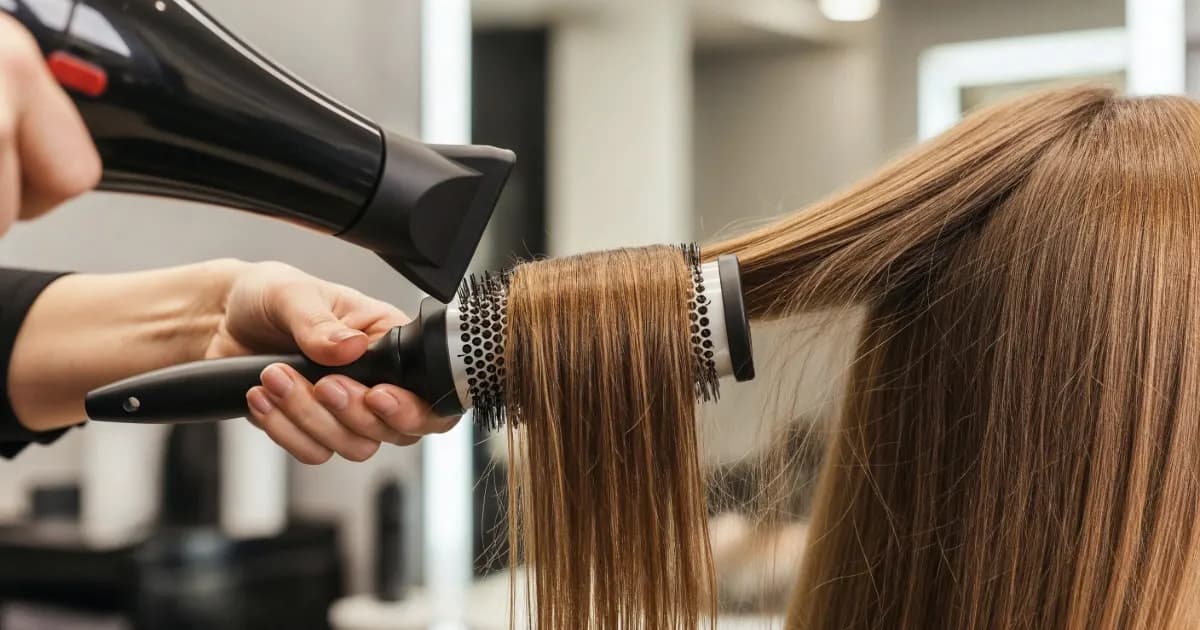
Fashion shows are fast-paced, high-pressure environments where every detail matters. Models walk the runway representing the creative vision of designers, and hair plays a crucial role in completing that vision. Behind the scenes, professional stylists work carefully to ensure that every hairstyle looks perfect under lights, cameras, and constant movement. At the same time, they must protect the hair from damage caused by styling tools, repeated changes, and demanding schedules. The backstage environment during a major fashion show is intense. Models often undergo multiple hairstyle transformations within a short period. This means stylists must balance creativity with responsibility, ensuring the hair remains healthy while achieving the desired look. Protecting hair is not just about appearance; it is also about maintaining the long-term condition of the model’s hair. Professional stylists rely on preparation, expertise, advanced products, and protective techniques that help reduce damage caused by Heat, styling stress, and repeated manipulation. Hair for runway shows is often designed to complement the theme of a collection. Designers collaborate with stylists to create hairstyles that enhance clothing, accessories, and overall presentation. These hairstyles can range from sleek, polished looks to bold, dramatic structures. Because fashion shows move quickly, stylists must often create hairstyles in a limited amount of time. Models may also participate in multiple shows during fashion weeks, which increases the pressure on hair health. This is why stylists use protective methods that maintain strength, shine, and flexibility. The goal is to create hairstyles that look flawless while ensuring hair remains manageable and resilient throughout the event. Preparation begins long before models arrive backstage. Professional stylists carefully plan hairstyles based on hair types, textures, and the creative concept of the show. Preparation plays a major role in preventing damage during styling. Hair preparation typically includes cleansing, conditioning, and strengthening treatments that improve resilience. Stylists often recommend lightweight products that support styling without weighing hair down. They also assess hair structure, natural movement, and density to determine the safest approach for styling. In many cases, stylists build protective layersof products that help shield hair during the styling process. These layers may include moisturizing products, strengthening formulas, and protective serums that reduce stress caused by styling tools. One of the biggest risks to hair health during fashion shows is exposure to Heat styling tools such as flat irons, curling tools, and blow dryers. Since models often require quick transformations, stylists must use these tools efficiently and safely. Professional stylists use several techniques to reduce damage: Temperature control is essential. High-quality tools allow stylists to adjust temperature levels depending on hair type. Heat protectant products create a barrier between the hair and styling tools. Stylists avoid repeated passes of hot tools whenever possible. They work in sections to ensure even styling without excessive exposure. Quick styling techniques are used to minimize the time hair is exposed to heat. By using these methods, stylists maintain smooth and polished looks while protecting the hair structure. Backstage kits used by stylists include a wide range of protective products designed to maintain hair health under demanding conditions. These products often include: Moisturizing sprays that prevent dryness These products help stylists build a protective foundation before creating complex hairstyles. When applied correctly, they allow the hair to be restyled multiple times without severe stress. The goal is to ensure that hair remains manageable even after several changes throughout the event. Professional stylists are trained to create hairstyles that reduce tension on the scalp and hair strands. Runway looks often require dramatic shapes, but experienced stylists ensure these styles do not cause unnecessary damage. They use strategic techniques such as: Distributing tension evenly across the hairstyle These techniques help maintain hair integrity while delivering runway-ready looks. Stylists also focus on hairstyles that can be adjusted quickly between shows. This reduces the need for repeated restyling and protects hair from additional stress. During fashion weeks, models may walk in several shows on the same day. This means stylists must transform hairstyles quickly while keeping the hair healthy. Efficient planning is essential. Stylists often design base styles that can be modified into new looks with minimal effort. For example, a sleek base style can be adjusted into different variations using accessories, texture adjustments, or simple structural changes. This approach reduces the need for heavy restyling and helps maintain hair condition. Backstage teams often collaborate closely to ensure each transformation is completed smoothly and safely. Large fashion shows sometimes include hair specialists who focus specifically on maintaining hair health throughout the event. These experts monitor the condition of models’ hair and recommend adjustments when necessary. They ensure that styling processes do not cause long-term damage and may suggest protective treatments between shows. These professionals also guide stylists on how to adapt techniques for different hair textures and conditions. Maintaining hair health is important because many models participate in multiple fashion events across the season. Runway lighting can affect hair significantly. Strong lights generate additional Heat, which can impact hairstyles and hair condition. Stylists prepare for this by selecting products that provide durability and protection. Hairstyles must remain intact while also maintaining natural movement. Protective techniques ensure that hair remains smooth, shiny, and manageable even under intense lighting conditions. This preparation helps models maintain a polished appearance throughout the show. Breakage is one of the biggest concerns during fashion shows. Frequent styling, tight hairstyles, and product buildup can weaken hair strands. Professional stylists reduce breakage by focusing on gentle handling and strategic product use. They often incorporate: Strengthening treatments By combining these methods, stylists maintain strong hair that can withstand the demands of runway events. Maintaining healthy hair is essential for models who work regularly in the industry. Runway hairstyles are often creative, dramatic, and visually striking. Designers sometimes request hairstyles that push boundaries and make a statement. Stylists must balance this creativity with responsible hair care practices. Instead of relying on excessive manipulation, they use innovative styling methods that achieve bold visual results without compromising hair health. These methods allow stylists to create boldrunway looks while maintaining hair integrity. Professional stylists are trained to adapt quickly and find solutions that support both creativity and protection. Communication plays a major role in protecting hair during fashion shows. Designers and stylists collaborate closely when planning runway looks. Stylists provide input on what is possible without causing damage to the models’ hair. This collaboration helps ensure that hairstyles remain realistic, achievable, and safe for repeated shows. Strong communication also allows stylists to recommend alternative styling approaches when necessary. Hair maintenance between shows is equally important. Many models work with professional hair experts who help maintain healthy hair throughout fashion seasons. Regular trimminghelps remove split ends and keeps hair looking polished. Healthy hair responds better to styling and is less likely to break under pressure. Stylists often recommend maintenance routines that support long-term hair health for models who participate in frequent shows. Backstage organization is a key factor in protecting hair. Well-organized styling stations allow stylists to work efficiently without rushing or making mistakes that could damage hair. Professional teams prepare tools, products, and styling plans in advance. This preparation helps maintain a calm and controlled environment where stylists can focus on precision. Efficiency also reduces the need for repeated styling, which helps preserve hair health. Fashion shows feature models from diverse backgrounds, meaning stylists must work with many different hair textures. Professional stylists are trained to adapt their techniques based on hair type. This includes adjusting Heat levels, choosing appropriate products, and selecting protective styling methods. Understanding hair texture helps stylists protect hair while achieving the desired runway look. Inclusive styling practices ensure that every model’s hair receives proper care and attention. Extensions and accessories are often used during fashion shows to create dramatic hairstyles. When applied correctly, these elements can reduce stress on natural hair. Stylists attach extensions carefully to prevent pulling or tension on the scalp. They also ensure accessories are lightweight and positioned securely. This allows models to move comfortably on the runway while maintaining the overall hairstyle design. Proper application ensures that natural hair remains protected beneath the final look. Professional stylists working at fashion shows have extensive training and experience in hair care and styling techniques. Many have worked in the industry for years and understand how to manage hair under demanding conditions. Their expertise allows them to identify potential risks and take preventive measures before damage occurs. Experienced stylists know how to create hairstyles efficiently while maintaining healthy hair structure. Their knowledge is essential for maintaining professional standards during major fashion events. Hair protection during fashion shows is part of a larger strategy to maintain the long-term health of models’ hair. Stylists often provide advice on hair care routines that models can follow between shows. These routines may include hydration treatments, strengthening masks, and gentle styling practices. Long-term care ensures that hair remains strong enough to handle repeated styling demands. This approach benefits both models and the industry by promoting healthier hair practices. Backstage environments involve multiple creative professionals working together, including stylists, wardrobe teams, and makeup artists. Coordination ensures that hair and makeup processes do not interfere with each other or cause unnecessary stress on the model. For example, hairstyling may be completed before certain makeup steps to prevent damage caused by repeated adjustments. Collaboration helps maintain efficiency and ensures that the final presentation looks polished and professional. This teamwork plays a major role in delivering cohesive runway presentations. The modeling and fashion industries continue to evolve, placing greater emphasis on safety, professionalism, and well-being. Protecting hair during fashion shows reflects this shift toward responsible styling practices. Professional stylists are expected to balance creativity with care, ensuring that models can continue working across multiple events without experiencing long-term hair damage. These standards also encourage better training, improved products, and more advanced styling techniques. The result is a healthier and more sustainable approach to runway styling. As the industry continues to innovate, new tools and products are being developed to protect hair during demanding styling sessions. Advanced styling tools now include temperature monitoring technology, improved materials, and more efficient designs that reduce damage. Product formulations are also evolving to provide stronger protection against Heat and environmental stress. These innovations help stylists maintain creative freedom while ensuring hair remains healthy. The future of runway styling will likely focus even more on protective techniques, sustainability, and personalized hair care strategies.Understanding the Demands of Runway Styling
Hair Preparation Before the Show
Managing Heat Styling Safely
Protective Products Used Backstage
Protective serums that reduce friction
Flexible hold sprays that allow restyling
Lightweight oils that add shine without heaviness
Strengthening treatments that support hair structureStrategic Styling Techniques
Using gentle brushing methods
Securing hair without pulling too tightly
Avoiding excessive backcombing
Using flexible styling methodsManaging Multiple Hairstyle Changes
The Role of Hair Health Experts
Handling Hair Under Intense Lighting
Preventing Breakage and Damage
Hydrating formulas
Flexible styling techniques
Protective product layeringBalancing Creativity and Hair Protection
Communication Between Designers and Stylists
The Role of Professional Haircuts and Maintenance
Backstage Organization and Efficiency
Supporting Different Hair Textures
Using Extensions and Accessories Safely
Training and Experience of Professional Stylists
Building Long-Term Hair Care Strategies
Collaboration with Makeup and Styling Teams
Maintaining Professional Standards in the Industry
The Future of Hair Protection in Fashion Shows