Loading...
06 February 2026
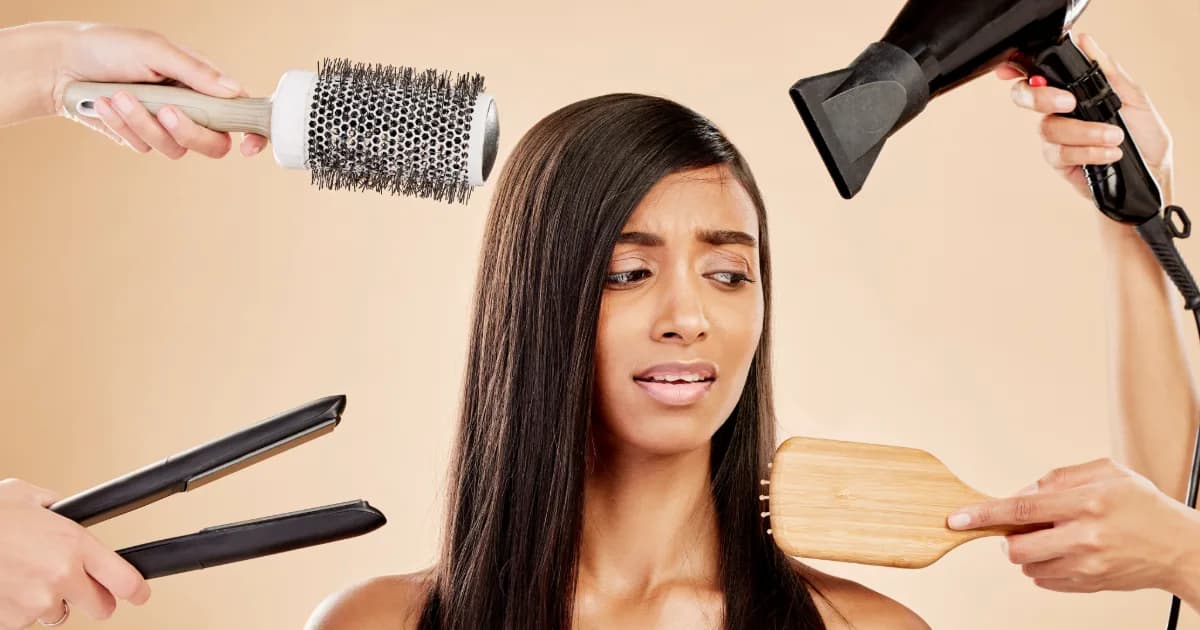
Understanding Heat Damage and Its Impact on Hair Structure.
Heat styling tools such as flat irons, curling wands, blow dryers, and hot brushes are staples in modern beauty routines. While they offer sleek finishes and polished elegance, excessive heat exposure can compromise hair integrity at a structural level. To effectively repair heat-damaged hair, it is essential to understand how damage occurs.
Hair strands are primarily composed of keratin proteins arranged in layers. The outermost layer, known as the cuticle, protects the inner cortex. When exposed to high temperatures, the cuticle lifts and cracks, allowing moisture to escape. Over time, repeated heat exposure weakens the strand, leading to dryness, brittleness, and noticeable split ends.
Heat can also impact the scalp environment. A stressed scalp may disrupt the function of the hair follicle, which plays a crucial role in healthy growth cycles. When the hair root weakens due to environmental stress or poor care practices, overall hair health declines. Recognizing these internal and external effects is the first step toward meaningful repair.
Before beginning a repair strategy, identifying damage levels is important. Common indicators include:
Persistent dryness even after conditioning
Increased breakage during brushing
Rough texture or straw-like feel
Visible split ends
Lack of shine or smoothness
Uneven curl patterns in naturally curly hair
Itchy or flaky scalp due to moisture imbalance
Severe heat damage may alter the protein structure of the hair permanently, making strands appear limp or excessively frizzy. A balanced restoration approach requires both protein reinforcement and deep hydration.
Repair begins with prevention. Limiting heat styling tools is essential for recovery. Experts recommend:
Reducing styling frequency to 1–2 times per week
Lowering heat settings to under 350°F (for fine hair)
Always using a heat protectant
Allowing hair to air dry whenever possible
By giving strands time to recover, the scalp and hair follicle can regain stability. Consistent high heat weakens the hair root over time, making prevention the most powerful repair strategy.
Heat strips hair of its natural oils, leading to dehydration. Restoring moisture is critical for a healthy, balanced appearance.
Deep Conditioning Treatments:
Use hydrating masks enriched with ingredients like shea butter, argan oil, aloe vera, and glycerin. Apply once or twice weekly to replenish lost moisture.
Leave-In Conditioners:
Lightweight leave-in formulas provide ongoing hydration and protect against environmental stressors.
Steam Treatments:
Steam opens the cuticle gently, allowing conditioners to penetrate deeper into the hair follicle and inner cortex layers.
Maintaining moisture levels prevents further split ends and enhances shine, contributing to restored elegance and smoothness.
When heat damage breaks down keratin bonds, protein reinforcement is necessary. Protein treatments temporarily fill gaps in weakened strands. However, balance is essential.
Overuse of protein products can cause stiffness and additional breakage. Experts suggest alternating between moisture-rich and protein-based treatments to maintain equilibrium. A balanced regimen ensures flexibility without compromising strength.
Look for ingredients such as hydrolyzed keratin, silk proteins, and collagen to fortify the hair root and strand structure.
Once split ends form, they cannot be permanently repaired. Trimming is the only way to prevent splits from traveling upward along the strand.
Professional stylists recommend trimming every 6–8 weeks during recovery. Regular trims promote healthier growth and improve overall appearance. Maintaining neat ends contributes significantly to polished elegance.
Healthy hair begins at the scalp. When the scalp is dry, inflamed, or clogged, the hair follicle cannot function optimally.
Scalp Care Routine:
Use gentle exfoliating scrubs once every two weeks
Massage oils such as jojoba or coconut oil into the scalp
Avoid heavy product buildup
Scalp massage increases circulation to the hair root, promoting stronger growth cycles. A nourished scalp supports the regeneration of healthier strands and enhances resilience against future heat damage.
Step 6: Choose the Right Shampoo and Conditioner
Harsh sulfates strip natural oils and worsen dryness. Opt for sulfate-free, hydrating formulas designed for damaged hair.
Key ingredients to seek:
Ceramides for strengthening
Panthenol for hydration
Natural oils for smoothness
Amino acids to support the hair follicle
Washing hair 2–3 times weekly prevents over-drying while maintaining scalp hygiene.
Natural oils can restore shine and elasticity when used correctly.
Argan oil: Enhances softness and elegance
Coconut oil: Penetrates deeply to reduce protein loss
Castor oil: Supports scalp nourishment
Jojoba oil: Balances oil production
Apply oils mid-length to ends, focusing on split ends. Avoid excessive application at the hair root to prevent buildup.
Heat damage combined with sun exposure and pollution accelerates deterioration. UV rays weaken protein bonds, while pollution affects scalp health.
Protective measures include:
Wearing hats in strong sunlight
Using UV-protectant sprays
Rinsing hair after swimming
Sleeping on silk pillowcases to reduce friction
These small lifestyle changes preserve moisture and maintain balanced strength.
Tight hairstyles increase stress on the hair root and exacerbate breakage. During recovery, choose gentle styles such as:
Loose braids
Soft buns
Air-dried waves
Protective wraps
Reducing tension supports healthy hair follicle function and minimizes strain on vulnerable strands.
Nutrition significantly influences hair repair. A balanced diet rich in vitamins and minerals strengthens strands from within.
Essential nutrients include:
Biotin for keratin production
Vitamin E for scalp circulation
Omega-3 fatty acids for shine
Iron to support oxygen delivery to the hair root
Hydration is equally important. Drinking adequate water improves overall hair elasticity and reduces dryness.
For advanced heat damage, professional interventions may be beneficial.
Keratin Treatments:
Restore smoothness and temporarily seal lifted cuticles.
Bond-Building Treatments:
Repair broken disulfide bonds within the strand structure.
Scalp Therapy Sessions:
Improve circulation and optimize hair follicle health.
Consulting a licensed stylist ensures treatments are customized to your specific hair type and damage level.
Continuing high-heat styling
Overwashing hair
Ignoring scalp care
Skipping trims
Using excessive protein
Brushing wet hair aggressively
Consistency and patience are vital. Heat-damaged hair recovery may take several months, depending on severity.
Day 1: Gentle shampoo + deep conditioning mask
Day 3: Leave-in conditioner + light oil application
Day 5: Protein treatment (if needed)
Weekly: Scalp massage and protective styling
A structured routine ensures both hydration and strengthening elements remain balanced.
Once hair health is restored, prevention becomes the focus.
Invest in high-quality heat tools with temperature control
Use microfiber towels to reduce friction
Schedule regular trims
Maintain scalp hygiene
Alternate between moisture and protein treatments
Healthy habits protect the hair follicle and hair root from recurring stress.
Hair is closely tied to identity and confidence. Restoring damaged strands not only improves appearance but also enhances self-esteem. Achieving smooth, healthy, and elegant hair reflects a commitment to self-care.
Heat styling can create polished looks, but true beauty lies in balanced hair health. By prioritizing scalp wellness, managing split ends, and protecting internal hair structure, you create a sustainable foundation for long-term vitality.
Repairing heat-damaged hair requires a comprehensive strategy that addresses moisture loss, protein depletion, scalp imbalance, and lifestyle habits. With consistent care, patience, and expert-approved methods, even severely compromised strands can regain strength, elasticity, and natural elegance.