Loading...
11 November 2025
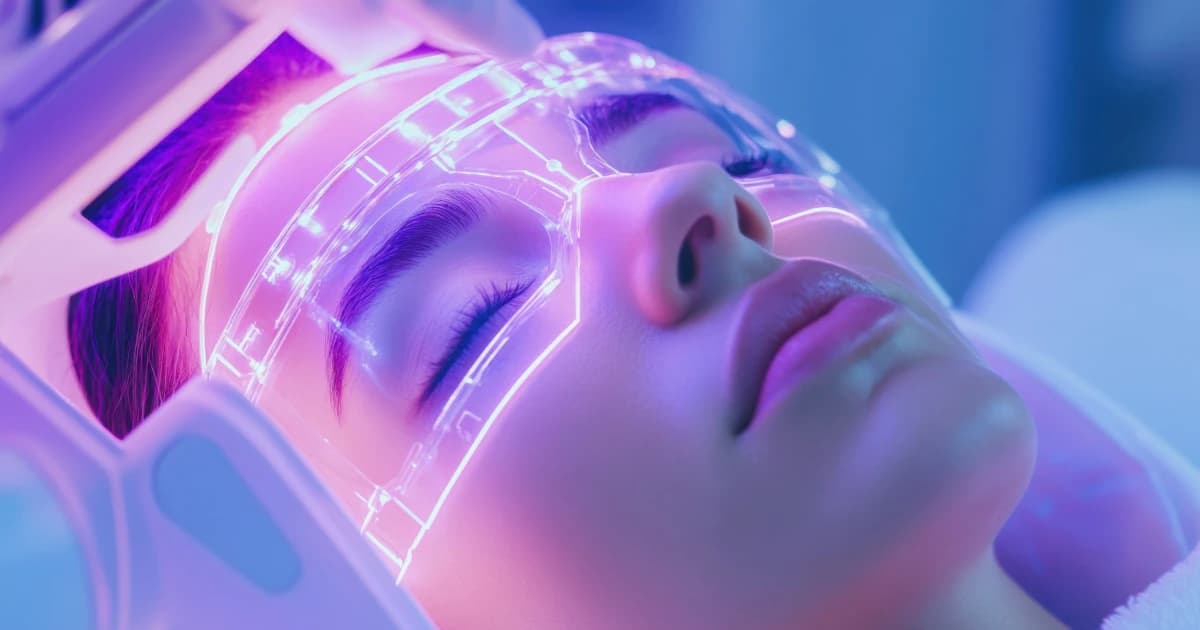
How Technology Is Transforming Skincare
Skincare is no longer driven solely by tradition, trial, or trend cycles. The rise of digital innovation has fundamentally reshaped how skincare products are researched, developed, and personalized. Technology now sits at the core of formulation science, consumer engagement, and long-term skin health strategies.
Advanced data systems, artificial intelligence, and biometric analysis have introduced unprecedented accuracy into skincare development. Brands are leveraging digital tools to understand how the human body reacts to ingredients over time, enabling solutions that are tailored, adaptive, and increasingly predictive.
This transformation reflects a broader shift toward precision wellness, where skincare functions as a convergence of biology, technology, and lifestyle rather than surface-level cosmetic enhancement.
Artificial intelligence has redefined how skin is assessed and treated. AI-driven skin analysis tools evaluate texture, tone, hydration levels, pigmentation, and sensitivity through high-resolution imaging and data modeling. These systems map patterns invisible to the naked eye, allowing brands to create routines tailored to individual needs.
Rather than generic product recommendations, AI platforms consider age, environment, climate exposure, lifestyle, and genetics. This level of personalization aligns skincare with how the human body uniquely responds to stressors, pollutants, and internal changes.
From in-store scanners to mobile apps, these technologies empower consumers with clarity and control. The result is a more informed skincare journey driven by data-backed decisions rather than guesswork.
Technology has brought professional-grade skincare treatments into everyday routines. Smart devices designed for home use now deliver results once reserved for clinical environments. Tools using microcurrents, LED therapy, ultrasonic waves, and thermal stimulation are increasingly common.
These devices work in harmony with the human body by stimulating collagen production, improving circulation, and enhancing ingredient absorption. Their effectiveness relies on precise calibration, which is enabled by embedded sensors and adaptive software.
As skincare becomes more tech-enabled, consumer expectations shift toward measurable outcomes. The ability to track progress digitally reinforces trust and positions skincare as an ongoing health investment rather than a cosmetic habit.
Biotechnology has revolutionized ingredient development, allowing brands to replicate and enhance natural compounds with scientific precision. Lab-grown actives, fermented extracts, and bio-identical molecules are now central to advanced skincare formulations.
This approach reduces dependency on resource-intensive harvesting while maintaining efficacy. For example, alternatives inspired by leather-like biomaterials are being explored for packaging and delivery systems, reflecting how innovation extends beyond formulas into the entire product lifecycle.
Biotech-driven skincare also enables ingredients to interact more effectively with the skin’s microbiome, supporting balance and resilience across different skin types.
Environmental responsibility has become inseparable from technological progress in skincare. Smart manufacturing, blockchain transparency, and AI-driven supply chains are reducing waste and improving sourcing accountability.
Technology allows brands to monitor environmental impact at every stage—from ingredient extraction to packaging disposal. Waterless formulations, refillable systems, and biodegradable delivery mechanisms are outcomes of this innovation-driven mindset.
Consumers increasingly favor skincare solutions that align with environmental values. Technology makes it possible to meet these expectations without sacrificing performance or luxury.
Wearable technology is expanding skincare beyond topical application. Sensors embedded in wearables now track hydration levels, UV exposure, and environmental stress, providing real-time insights into skin health.
These tools bridge the gap between lifestyle and skincare by showing how sleep, diet, stress, and pollution influence skin behavior. This data-driven approach recognizes skin as an extension of the human body’s internal systems rather than an isolated surface.
As wearables integrate more deeply with skincare platforms, consumers gain the ability to proactively adjust routines before damage becomes visible.
Technology has transformed how skincare brands respond to consumer needs. Real-time data analysis allows companies to monitor product performance, customer feedback, and usage patterns with remarkable precision.
Digital platforms collect insights on texture preferences, absorption rates, and long-term results. This feedback loop shortens innovation cycles and ensures that products evolve in alignment with actual user experiences.
Influential brands leverage this data not only to refine formulas but also to anticipate future demands. The result is a skincare ecosystem shaped by responsiveness rather than delayed adaptation.
Augmented reality (AR) has changed how consumers engage with skincare before purchase. AR tools allow users to visualize results, understand product benefits, and simulate routine outcomes through mobile devices.
This visual approach enhances expression and confidence, reducing uncertainty and improving satisfaction. By aligning expectations with realistic outcomes, AR supports informed decision-making and long-term brand trust.
These tools also enhance education by demonstrating ingredient functions, application techniques, and treatment timelines in interactive formats.
Online communities, expert platforms, and creator-led education have become powerful drivers of skincare innovation. Influential voices now shape awareness, ingredient literacy, and ethical standards through digital channels.
Technology enables transparent conversations around formulation science, clinical testing, and sustainability. This shift empowers consumers to ask informed questions and demand accountability from brands.
Rather than passive consumption, skincare audiences now actively participate in shaping industry direction through reviews, feedback, and shared knowledge.
Automation has improved consistency, safety, and scalability in skincare production. Robotic systems manage ingredient blending, quality control, and packaging with precision that minimizes contamination and variability.
This level of control is especially important for active formulations designed to interact with the human body at a cellular level. Automation ensures that each product meets exact standards regardless of batch size.
Advanced manufacturing also supports faster innovation, allowing brands to adapt to emerging research and market demands efficiently.
Technology has made transparency measurable rather than symbolic. Blockchain verification, QR-coded ingredient sourcing, and traceable supply chains allow consumers to access detailed product histories instantly.
This openness strengthens trust and aligns skincare with broader wellness values. Consumers increasingly expect brands to demonstrate ethical responsibility, not just claim it.
Transparency-driven tech ensures that skincare innovation remains accountable to both people and the planet.
As technology continues to evolve, skincare will become more adaptive, predictive, and integrated into daily life. Personalized algorithms, real-time diagnostics, and bio-responsive formulations represent the next phase of innovation.
Skincare will increasingly function as a dynamic system—responding to environmental exposure, internal health signals, and lifestyle changes. This holistic approach reflects a deeper understanding of skin as a living, responsive organ.
Technology is no longer an accessory to skincare; it is the foundation shaping how care, beauty, and health converge.