Loading...
14 April 2026
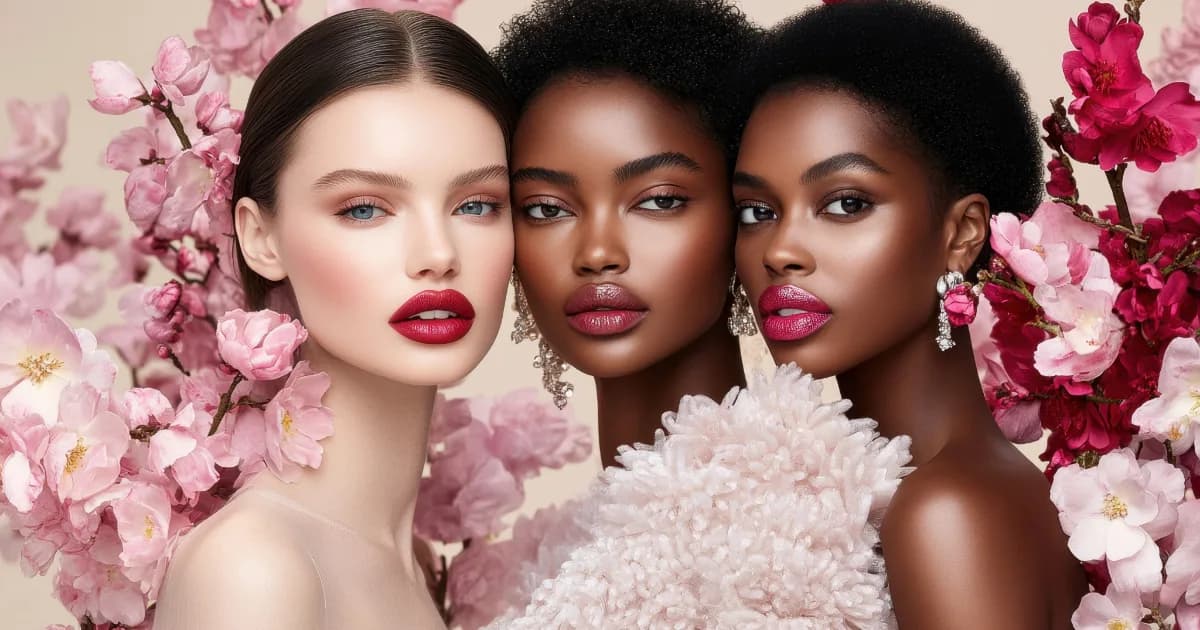
Getting featured in international fashion magazines is one of the most prestigious milestones in the fashion industry. It represents recognition, credibility, and a gateway to global opportunities. However, this achievement requires more than just good looks—it demands strategy, discipline, confidence, and a strong professional presence. The journey to magazine features involves building a powerful portfolio, collaborating with the right stylists and designers, and maintaining a consistent personal brand that reflects elegance and uniqueness. Fashion magazines are highly selective about who they feature. Editors look for individuals who bring originality, storytelling ability, and a strong visual identity. Editorial shoots are not just about posing—they are about conveying emotions, concepts, and trends through imagery. Models and creatives who understand this are more likely to stand out. To succeed, you must align your style and personality with the type of magazines you aim to be featured in. High-fashion publications often look for bold and experimental looks, while commercial magazines may prefer approachable and relatable aesthetics. Building a Strong Portfolio Your portfolio is your first impression. It acts as your visual resume and determines whether you get noticed by industry professionals. High-quality professional images Variety in poses, expressions, and styles Clean and minimal shots alongside creative editorials Consistent display of confidence and elegance Working with experienced stylists and designers can significantly enhance your portfolio. They bring creative direction and help you achieve stunning visuals that meet industry standards. Developing a Unique Personal Brand In a competitive industry, having a unique identity is essential. Your personal brand should reflect who you are and what you represent. Define your style and niche Maintain consistency across platforms Showcase your strengths and versatility Highlight your confidence and elegance in every shoot A strong personal brand makes you memorable and increases your chances of being selected for editorial features. Connections play a crucial role in the fashion industry. Building relationships with stylists, designers, photographers, and editors can open doors to opportunities. Attend fashion events and shows Collaborate on creative projects Engage with professionals on social platforms Maintain professional communication Networking is not just about meeting people—it’s about building genuine relationships that lead to long-term collaborations. Working with Stylists and Designers Collaborating with skilled stylists and designers can elevate your work to a professional level. They help create cohesive looks that align with editorial themes. Access to high-quality outfits and concepts Improved visual storytelling Enhanced creativity in shoots These collaborations often lead to stronger portfolio content, increasing your chances of being noticed by magazine editors. Mastering Posing and Expressions Editorial modeling requires more than basic posing. You need to communicate emotions and concepts through your body language and facial expressions. Practice in front of the camera regularly Study fashion editorials for inspiration Focus on fluid and natural movements Maintain strong confidence in every pose Your ability to express ideas visually is what sets you apart in editorial shoots. The Role of Discipline and Fitness Success in the fashion industry requires discipline and dedication. Maintaining a healthy lifestyle and fitness routine is essential for staying camera-ready. Improves posture and body language Enhances overall appearance Boosts confidence Fitness is not just about physical appearance—it also contributes to mental strength and endurance, helping you perform better during shoots and castings. Creating High-Quality Test Shoots Test shoots are essential for building your portfolio and experimenting with different styles. Collaborate with emerging photographers and creatives Choose themes that align with your goals Focus on quality over quantity Well-executed test shoots can result in editorial-worthy images that attract attention from magazines. Submitting to Fashion Magazines Once you have a strong portfolio, the next step is submitting your work to magazines. Research magazines that match your style Follow submission guidelines carefully Send high-quality images with clear concepts Include credits for stylists, designers, and photographers Professional and well-prepared submissions increase your chances of getting featured. Leveraging Social Media Presence Social media has become a powerful tool in the fashion industry. A strong online presence can attract editors and brands. Post high-quality content consistently Engage with your audience Collaborate with other creatives Showcase your personality and style A well-curated profile acts as an extension of your portfolio and helps you gain visibility. Understanding Editorial Trends Fashion trends constantly evolve, and staying updated is crucial. Follow top fashion magazines and designers Analyze current editorial styles Adapt trends to your unique identity Being aware of trends allows you to create content that aligns with industry expectations while maintaining originality. The Importance of Professionalism Professionalism is key to building a successful career in fashion. Punctuality and reliability Respectful communication Strong work ethic Editors and industry professionals prefer working with individuals who demonstrate professionalism and consistency. Building Confidence in Front of the Camera Confidence is one of the most important qualities for getting featured in fashion magazines. Practice regularly Prepare thoroughly for shoots Focus on your strengths Confidence enhances your presence, making your images more impactful and appealing. Creating Editorial Stories Fashion magazines look for storytelling through visuals. Your shoots should convey a clear concept or narrative. Cohesive theme Creative styling Expressive poses Story-driven shoots are more likely to be selected for publication. Collaborating on Creative Projects Working on collaborative projects helps you gain experience and exposure. Expands your network Improves your skills Builds your portfolio Collaborations often lead to unique and innovative content that stands out. Handling Rejections and Staying Motivated Rejection is a common part of the fashion industry. Not every submission will be accepted. Learn from feedback Keep improving your work Stay consistent Persistence and resilience are essential for long-term success. Investing in Self-Improvement Continuous improvement is necessary to stay competitive. Posing and expressions Styling and fashion knowledge Communication skills Investing in yourself ensures steady growth and better opportunities. Building Long-Term Relationships Success in fashion is not just about one-time achievements. Building long-term relationships with industry professionals is crucial. Stay in touch regularly Show appreciation Collaborate consistently Strong relationships lead to repeat opportunities and career growth. Preparing for Big Opportunities When the opportunity to be featured arises, preparation is key. Being physically and mentally ready Understanding the concept of the shoot Delivering your best performance Preparation ensures you make the most of every opportunity. The Path to International Recognition Getting featured in international fashion magazines is a journey that requires dedication, creativity, and persistence. By focusing on building a strong portfolio, collaborating with stylists and designers, maintaining discipline and fitness, and showcasing confidence and elegance, you can position yourself for success. Consistency, professionalism, and a willingness to learn are the foundations of achieving recognition in the global fashion industry.Understanding the Fashion Editorial Landscape
Key Elements of a Strong Portfolio
How to Build Your Brand
Networking with Industry Professionals
Effective Networking Strategies
Benefits of Collaboration
Tips to Improve
Why It Matters
How to Plan Effective Test Shoots
Submission Tips
How to Use Social Media Effectively
How to Stay Relevant
Essential Traits
Ways to Build Confidence
Elements of Strong Editorial Stories
Benefits
How to Stay Motivated
Areas to Focus On
How to Maintain Relationships
What to Focus On