Loading...
03 February 2026
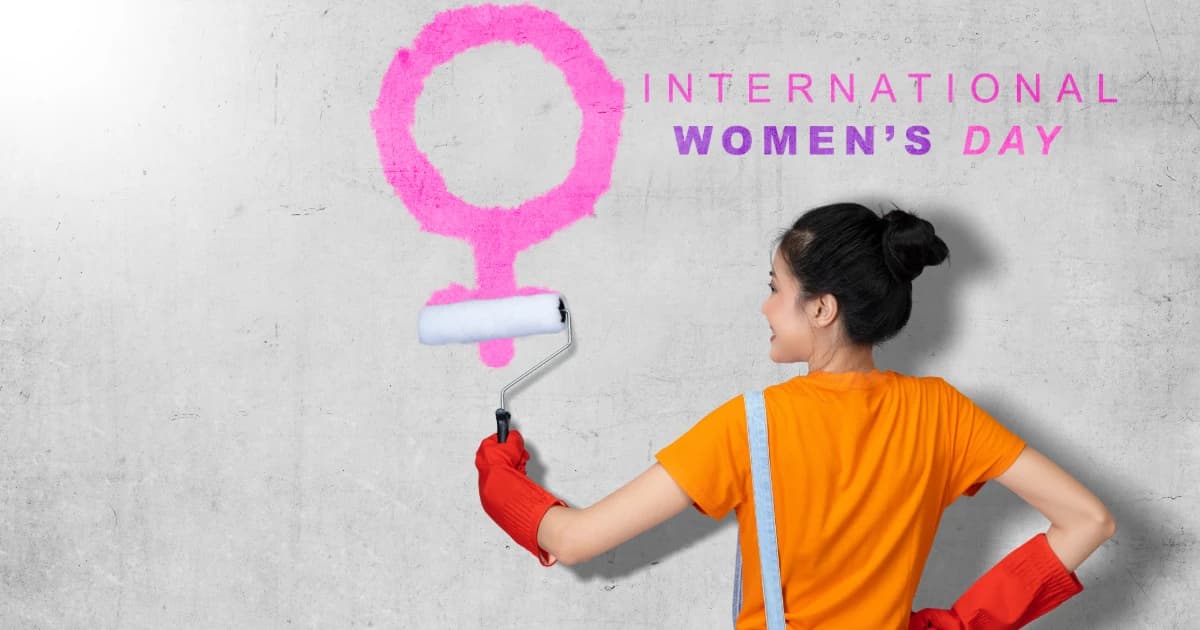
International Women's Day (IWD) is celebrated globally on March 8th, honoring the achievements of women in all spheres of life. Beyond the formal recognition of social, political, and economic achievements, this day has become a powerful platform to celebrate women’s creativity, style, and cultural heritage. From haute couture runways to street fashion and traditional garments, fashion has always played a role in expressing identity, self-confidence, and empowerment. Styling and fashion are central elements in celebrating women, as they allow individuals to express personality, heritage, and cultural identity. Designers worldwide are now merging modern fashion trends with traditional attire, creating collections that not only appeal aesthetically but also celebrate diverse cultural roots. Whether it’s a vibrant sari with contemporary cuts, a structured blazer with ethnic embroidery, or global fusion garments, the fashion industry is increasingly highlighting women’s voices. The significance of styling in women’s empowerment lies in its ability to give women confidence and visibility. Wearing garments that reflect personal and cultural identity communicates strength, creativity, and individuality. From boardrooms to runways, from cultural festivals to social movements, fashion continues to be a powerful medium for women to tell their stories. Fashion is inseparable from culture. Each garment, accessory, and style is often influenced by the traditions of its region. Across continents, women celebrate cultural heritage through attire that preserves traditional craftsmanship, embroidery techniques, and garment construction. For instance, African kente cloth, Japanese kimonos, Indian saris, and Middle Eastern abayas not only serve functional purposes but also symbolize cultural identity and pride. By integrating traditional elements into modern fashion, designers encourage women to embrace their roots while staying current. Traditional patterns, colors, and textiles can be reinterpreted in contemporary silhouettes, creating garments that celebrate heritage and appeal to the modern wardrobe. This fusion of culture and fashion highlights the evolving role of women in society a blend of respect for tradition and the embrace of individuality. The fashion industry is not only a visual platform but also a space for social change. Over the past decades, designers and brands have increasingly addressed gender equality through their campaigns, collections, and corporate practices. Highlighting the power of women in leadership, inclusive representation in runway shows, and equitable employment practices are all ways fashion contributes to social awareness. Campaigns celebrating International Women's Day often feature women from diverse backgrounds, showcasing garments that reflect strength, resilience, and creativity. From advertisements to magazine editorials, these portrayals challenge stereotypes and inspire women to express themselves confidently. Moreover, fashion’s global reach ensures that messages of equality and empowerment are accessible to diverse audiences worldwide. Every year, International Women’s Day events become arenas for celebrating women’s style and cultural diversity. Gala events, parades, panel discussions, and exhibitions often encourage attendees to wear garments that reflect personal and cultural significance. Women around the world use these opportunities to display traditional attire with contemporary styling, creating visually compelling narratives of empowerment. For instance, many fashion brands release special edition collections for IWD, emphasizing bold colors, intricate embroidery, and sustainable fabrics. These collections are often designed to honor the stories of women artisans and garment makers, highlighting their craftsmanship and contribution to the global fashion industry. By supporting such initiatives, consumers play an active role in promoting gender equality and cultural preservation. Whether attending a professional event, social gathering, or cultural festival, styling can elevate a woman’s confidence and presence. Here are some key styling insights for International Women’s Day: Mix Modern and Traditional Garments: Combine contemporary silhouettes with cultural textiles to create a unique, elegant look. Statement Accessories: Jewelry, scarves, and belts inspired by cultural motifs enhance your outfit while celebrating heritage. Bold Colors for Empowerment: Colors like red, purple, and gold often symbolize strength, dignity, and independence. Sustainable Styling Choices: Choose eco-friendly fabrics and ethical garment production to promote conscious fashion. Hair and Makeup Coordination: Styling extends beyond clothing; hair and makeup can reflect individuality and complement cultural garments. These styling strategies empower women to showcase their personality while participating in a global celebration of identity and achievement. Asia: Traditional attire like saris, kimonos, and hanboks are reimagined with modern tailoring and prints, merging fashion with heritage. Africa: Women’s garments feature vibrant patterns, handwoven fabrics, and bold accessories, reflecting community stories and ancestral traditions. Europe: Designers incorporate classical motifs, lacework, and embroidery, creating garments that fuse traditional elegance with modern minimalism. Americas: Latin American fashion celebrates vibrant embroidery, woven textiles, and indigenous craftsmanship, allowing women to express cultural pride while embracing contemporary styles. This cross-cultural approach emphasizes that fashion is a universal language, capable of celebrating tradition, style, and gender equality simultaneously. Several fashion icons and brands actively champion International Women’s Day and gender equality: Designers featuring women artisans: By collaborating with local craftsmen, brands highlight traditional garment-making while empowering female communities. Runways with diverse representation: Inclusion of women of all ages, sizes, and backgrounds sends a strong message of equality. Corporate responsibility in fashion: Companies implement policies to ensure equitable pay and safe work environments for women in garment production. These initiatives reinforce the intersection of fashion, styling, and social advocacy, turning garments into symbols of empowerment. International Women’s Day is more than a celebration; it is a call for social progress. Fashion serves as a mirror reflecting both cultural heritage and contemporary ideals. When women wear garments that honor tradition, they assert identity, celebrate history, and contribute to gender equality movements. By embracing styling that merges modern trends with traditional aesthetics, women assert a presence that is both powerful and culturally resonant. Fashion becomes a tool for self-expression, advocacy, and storytelling. Brands supporting this vision not only honor women but also influence the broader cultural narrative, encouraging inclusivity and equality across industries. Host Styling Workshops: Teach women how to integrate traditional garments with modern fashion trends. Feature Cultural Garments Online: Highlight stories of garment artisans, their skills, and traditions in blog posts or social media. Promote Gender Equality Campaigns: Launch awareness campaigns that link fashion, styling, and empowerment messages. Collaborate With Women Designers: Support independent female designers who incorporate traditional fabrics into contemporary fashion. Encourage Personal Styling Experiments: Invite women to create looks that reflect individuality, creativity, and cultural pride. Such initiatives ensure International Women’s Day remains not just a symbolic celebration, but a platform for meaningful cultural and social impact. Fashion campaigns during IWD are increasingly thematic, often centered around women’s empowerment, cultural diversity, and equality: Garment-focused storytelling: Brands highlight the journey of each piece, connecting women to the legacy of artisans. Influencer collaborations: Fashion influencers showcase styling tips for merging cultural and modern garments. Digital activations: Virtual fashion shows, interactive workshops, and online events increase accessibility and participation worldwide. These campaigns bridge fashion, culture, and social messaging, ensuring International Women’s Day resonates across generations and geographies. As we move further into the 2020s, fashion and styling will continue evolving as tools for cultural expression and empowerment: Sustainable and ethical garments will dominate the market, emphasizing responsibility alongside aesthetics. AI and technology will enable personalized styling recommendations, reflecting individual cultural preferences. Cross-cultural collaborations will highlight global heritage while appealing to modern sensibilities. Gender equality advocacy will remain central, with fashion as a medium for awareness and inclusion. By aligning styling, fashion, and traditional garment design with progressive ideals, International Women’s Day will continue to celebrate women’s achievements, culture, and identity for generations to come.The Role of Culture and Tradition in Women's Fashion
Fashion as a Medium for Gender Equality
International Women's Day Events and Fashion Statements
Styling Tips for Women’s Day Celebration
Cultural Insights: Fashion Across Continents
Fashion Industry Leaders Promoting Empowerment
The Intersection of Fashion, Culture, and Gender Equality
Practical Ways to Celebrate International Women’s Day Through Fashion
Global Fashion Campaigns for International Women’s Day
The Future of Women’s Fashion on International Women’s Day