Loading...
04 November 2025
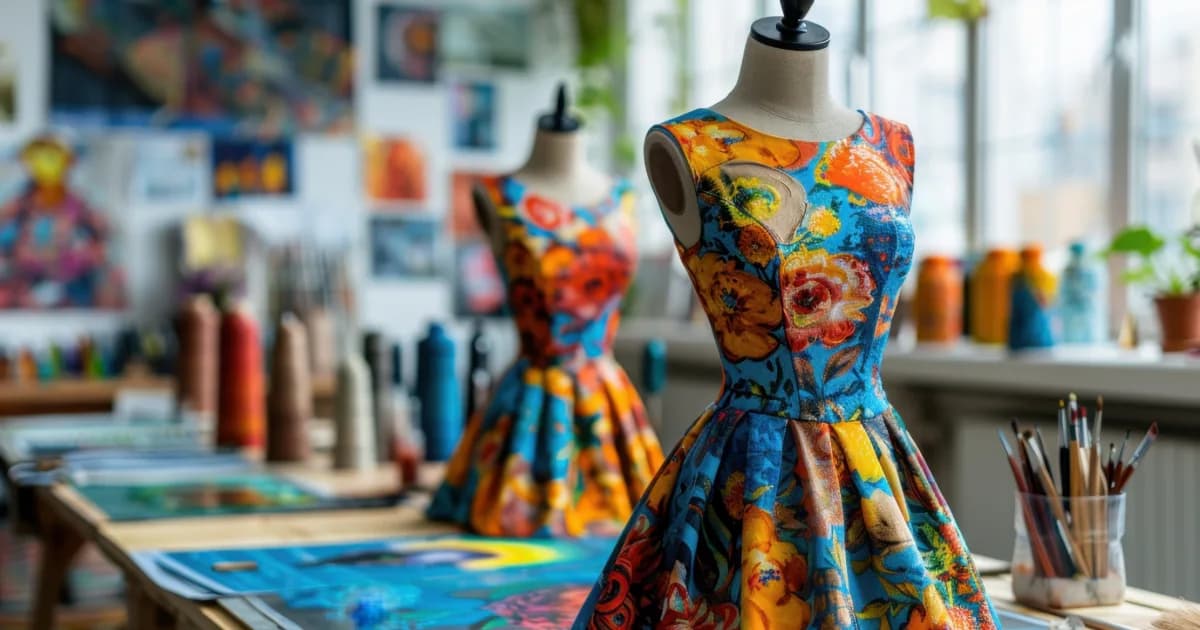
Across major fashion capitals, a refined version of minimalism is defining the current global aesthetic. Models walking international runways are no longer styled in stripped-back simplicity alone; instead, minimal silhouettes are elevated through intentional tailoring, structured lines, and thoughtful fabric selection. Clean cuts dominate collections, but subtle design details—like asymmetric seams, sculpted shoulders, and architectural draping—are redefining what “minimal” means for today’s consumer.
This evolution reflects a growing global preference for longevity over trend saturation. Fashion houses are presenting pieces that feel timeless yet modern, allowing models to showcase garments that can seamlessly transition across seasons and markets. Neutral palettes remain strong, but are now paired with texture-driven fabrics and innovative construction techniques that elevate visual interest without excess.
Power Tailoring Reimagined for a New Global Generation
Tailoring has become one of the most influential statements models are wearing right now. Oversized blazers, fluid trousers, and sharply defined waistlines dominate collections from international designer showcases. However, the modern approach to power dressing leans toward versatility rather than rigidity.
Models are styled in suits that balance structure with comfort—relaxed fits, softened lapels, and lightweight fabrics replace the stiff tailoring of past decades. This reflects a global shift in how the modern consumer defines authority and confidence. Fashion brands are aligning power dressing with individuality, making tailored pieces adaptable for diverse lifestyles and cultural contexts.
Gender-fluid styling has also played a significant role, with models presenting suits as universal statements rather than gender-specific attire. This inclusive approach resonates strongly with international audiences seeking representation and relevance in contemporary fashion.
Sustainable Luxury and the Rise of Plant-Based Innovation
Sustainability is no longer a supporting narrative—it is front and center on global runways. Models are increasingly wearing garments crafted from plant materials, signaling a deeper commitment from fashion brands to environmental responsibility. Designers are experimenting with plant-based leathers, organic fibers, and biodegradable textiles that maintain luxury appeal while reducing environmental impact.
These innovations appeal directly to the modern consumer, who values transparency and ethical production as much as aesthetic appeal. International collections now highlight the origin of materials as part of the garment’s story, turning sustainability into a visual and emotional experience on the runway.
Rather than compromising on style, sustainable fashion is pushing designers to innovate creatively. Textured plant-based fabrics, natural dyes, and eco-conscious finishes are becoming hallmarks of high-end global fashion, proving that sustainability and sophistication can coexist.
Statement Outerwear as a Global Style Anchor
Outerwear has emerged as a defining element of current runway styling. Models are frequently styled with bold coats, sculptural jackets, and layered trench designs that command attention. These pieces serve as both functional essentials and visual centerpieces, especially in international markets where seasonal transitions vary widely.
Designers are emphasizing exaggerated proportions—voluminous sleeves, extended lengths, and dramatic collars—while maintaining refined craftsmanship. This approach allows outerwear to adapt across climates while remaining visually striking. Global fashion brands are clearly responding to the consumer demand for investment pieces that balance practicality with expressive design.
Textures such as brushed wool, recycled blends, and hybrid materials dominate outerwear collections, reinforcing the industry’s commitment to sustainability without sacrificing visual impact.
Monochrome Styling with Depth and Dimension
Monochrome styling continues to dominate global fashion, but with greater emphasis on dimension. Models are styled head-to-toe in single tones—ivory, charcoal, camel, and muted earth shades—layered with varying textures to create depth.
This trend reflects an international shift toward cohesive, intentional wardrobes. Rather than relying on bold prints, designers are allowing fabric, fit, and form to speak for themselves. The result is a refined visual language that resonates with a global consumer seeking elegance without excess.
Monochrome looks also offer versatility across markets, making them a staple for brands aiming to appeal to diverse international audiences while maintaining a consistent identity.
The Influence of Cultural Fusion in Global Collections
Cultural fusion is shaping the next phase of fashion evolution. Models are wearing garments that blend traditional craftsmanship with modern silhouettes, reflecting a truly global perspective. International designers are drawing inspiration from regional textiles, artisanal techniques, and heritage patterns—reinterpreted for contemporary audiences.
This fusion allows fashion brands to tell richer stories while respecting cultural origins. The modern consumer values authenticity, and collections that celebrate diverse influences resonate strongly across global markets. Models become visual storytellers, presenting garments that connect history with innovation.
Rather than surface-level inspiration, designers are collaborating with local artisans and incorporating traditional methods into modern design processes, creating meaningful cultural exchanges on the runway.
Relaxed Luxury and the Evolution of Comfort Dressing
Comfort-driven fashion continues to influence global styling, but in a more polished form. Models are wearing relaxed silhouettes—flowing dresses, soft knit sets, and unstructured layers—that reflect ease without appearing casual.
Luxury fashion brands are redefining comfort by elevating everyday shapes with premium fabrics and refined tailoring. This shift aligns with changing consumer lifestyles, where versatility and comfort are essential across professional and personal settings.
International collections emphasize adaptability, allowing garments to move seamlessly between environments. The focus is not on trends that fade quickly, but on enduring pieces that support modern living while maintaining visual sophistication.
Accessories in current global fashion are intentionally restrained yet impactful. Models are styled with sculptural bags, minimalist footwear, and refined jewelry that complement rather than overpower the overall look.
Designers are prioritizing form and function, creating accessories that enhance movement and silhouette. This understated approach aligns with the broader shift toward intentional fashion choices, where every element serves a purpose.
Footwear trends highlight clean lines and architectural shapes, while handbags focus on craftsmanship and material quality. These accessory choices reinforce the idea that modern luxury is defined by precision rather than excess.
The styles models are wearing right now reveal a clear direction for global fashion: thoughtful design, cultural awareness, and sustainable innovation. International runways are no longer about spectacle alone—they are platforms for expressing values, identity, and forward-thinking creativity.
Fashion brands that understand the evolving consumer mindset are leading this transformation, presenting collections that balance artistic expression with real-world relevance. Designers are responding to global challenges by creating fashion that is adaptable, responsible, and visually compelling.
As models continue to embody these evolving aesthetics, global fashion moves toward a future defined by purpose, inclusivity, and refined creativity—setting new standards for the international industry.