Loading...
09 October 2026
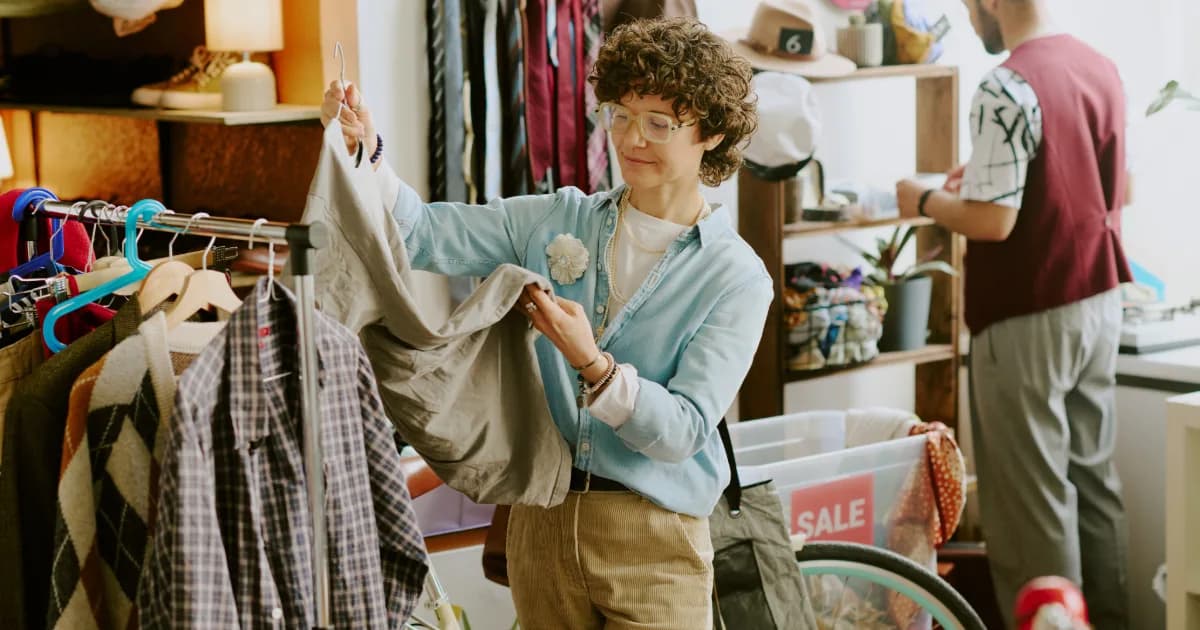
Fashion is constantly evolving, but some of the most exciting style movements are not about buying something new. Instead, they involve rediscovering what already exists. Second-hand fashion has become an important part of modern wardrobes, bringing vintage clothing, pre-loved accessories, and unique designer pieces into everyday style. What was once considered an alternative way to shop is now influencing fashion enthusiasts, stylists, and consumers who want to express their individuality.
From curated thrift stores to online resale platforms, second-hand shopping has changed how people discover and value clothing. It offers an opportunity to experiment with personal style, find distinctive pieces, and reconsider the environmental impact of fashion consumption. As consumer attitudes shift, pre-loved fashion is becoming more than a passing trend. It is helping redefine what it means to dress well.
One of the main reasons second-hand fashion continues to grow is its ability to combine affordability with individuality. Shoppers can explore a wide range of styles without always paying the price of brand-new clothing. Vintage jackets, classic handbags, statement jewellery, and timeless denim often provide character that can be difficult to find in contemporary collections. Social media has also played a significant role in changing perceptions. Fashion creators regularly share thrift hauls, vintage styling tips, and outfit combinations that encourage people to look beyond traditional retail stores. These conversations have helped make pre-loved clothing more appealing to younger consumers who enjoy experimenting with their appearance. Another important factor is changing attitudes towards ownership. Many shoppers are beginning to question whether every new outfit needs to come from a conventional fashion retailer. Buying second-hand allows them to explore different aesthetics while making more considered purchasing decisions. Modern fashion places considerable value on self-expression. While mainstream collections can introduce exciting trends, mass-produced clothing sometimes makes it difficult to create a distinctive wardrobe. Second-hand shopping offers another approach by allowing shoppers to discover pieces from different decades, designers, and fashion movements. A vintage leather jacket can add structure to a casual outfit, while an older silk blouse can bring elegance to contemporary trousers. Even a simple second-hand T-shirt can become a statement piece when styled with modern accessories. The characteristic that makes pre-loved fashion interesting is its variety. Each garment may have a different cut, texture, print, or history. Rather than following a single trend from head to toe, shoppers can combine contrasting influences to create a look that feels personal. This flexibility also encourages creativity. A second-hand purchase does not need to be worn exactly as it was originally designed. Clothing can be tailored, layered, or paired with contemporary pieces to create a fresh appearance. In this way, fashion becomes less about following fixed rules and more about developing an individual point of view. Digital platforms have made it easier for consumers to discover pre-loved clothing. Online resale marketplaces, independent vintage stores, and social media sellers connect shoppers with items that may not be available locally. Fashion influencers have helped bring this change into the mainstream. Styling videos demonstrate how to combine thrifted pieces with current trends, while vintage collectors share advice on identifying quality fabrics, classic silhouettes, and distinctive designs. These platforms also make niche fashion more accessible. Someone interested in 1990s minimalism, retro sportswear, or early 2000s streetwear can search for specific pieces instead of relying entirely on seasonal retail collections. However, online second-hand shopping requires careful attention. Product photographs may not reveal every stain, repair, or sign of wear. Shoppers should review measurements, fabric details, seller ratings, return policies, and condition descriptions before making a purchase. Greater transparency from sellers can help build trust. Clear photographs and honest descriptions allow customers to understand what they are buying and make decisions based on the garment's actual condition. The environmental impact of clothing production has encouraged more consumers to reconsider their shopping habits. Manufacturing garments requires resources such as water, energy, and raw materials. Clothing disposal can also contribute to growing textile waste, particularly when garments are discarded before the end of their useful lives. Second-hand shopping can help extend the life of existing clothing. When a garment finds another owner, its usefulness may continue for years rather than ending when the first buyer no longer wants it. This supports recycling and reuse within a broader circular fashion approach. Nevertheless, buying pre-loved clothing does not automatically make every shopping decision sustainable. The environmental benefit depends on factors such as how frequently someone shops, whether second-hand purchases replace new purchases, and how garments are transported, maintained, and eventually disposed of. A practical approach is to prioritise pieces that will be worn regularly. Choosing durable materials, repairing minor damage, and avoiding unnecessary purchases can make a wardrobe more responsible over time. Sustainable fashion is not simply about buying products labelled environmentally friendly. It also involves understanding consumption patterns and making better use of what is already available. Globalisation has expanded access to fashion from different countries, cultures, and historical periods. International resale platforms and vintage retailers allow shoppers to discover clothing styles that may not be widely available in their local markets. A shopper might find a European vintage coat, Japanese denim, or a retro sports jacket inspired by American streetwear. These discoveries bring different design traditions into modern wardrobes and encourage people to explore fashion beyond geographical boundaries. The movement of second-hand clothing across borders also creates opportunities for resale businesses and independent sellers. At the same time, it raises questions about shipping emissions, textile waste exports, and the effects of imported used clothing on local garment industries. Responsible businesses need to consider these wider impacts. Clear information about sourcing, garment condition, and business practices can help consumers make more informed choices. Transparency matters because the story behind a product should include more than its appearance or price. Creating a wardrobe through second-hand shopping does not require replacing every item you own. A thoughtful approach can help you find versatile pieces that complement your existing clothes. Start with wardrobe essentials. Look for well-made jeans, neutral shirts, tailored blazers, and classic outerwear. These pieces can be combined with different outfits and remain useful beyond short-lived trends. Explore vintage statement pieces. A patterned coat, retro handbag, or distinctive pair of shoes can add personality to a simple outfit. Choose items that reflect your taste rather than buying something only because it is fashionable. Check fabric quality and construction. Examine seams, buttons, zips, linings, and signs of damage. Natural fibres and sturdy construction can be useful indicators of quality, although the overall condition of each garment matters most. Experiment with styling. Pair a vintage blouse with contemporary trousers or wear a second-hand denim jacket over a modern dress. Mixing old and new pieces can create a balanced appearance without making an outfit feel dated. Make alterations when practical. A small adjustment to the hem, sleeves, or waist can improve the fit of a pre-loved garment. Consider the cost of alterations before purchasing an item that needs significant work. Care for clothing properly. Follow care labels, clean garments appropriately, and repair minor damage when possible. Good maintenance helps extend the life of clothing and protects the value of your purchases. Despite its growing appeal, second-hand fashion comes with a few challenges. Finding the right size can be difficult, especially when vintage sizing differs from modern standards. Stock is also unpredictable, meaning shoppers may need patience to locate a particular style. Hygiene and garment condition deserve attention as well. Clothing should be inspected and cleaned according to its fabric and care requirements before being worn. Delicate materials may need professional cleaning, while some items may require repairs. There is also a risk of overconsumption. The low prices and excitement of finding unusual pieces can encourage unnecessary buying. A responsible shopper should focus on usefulness, fit, quality, and personal preference instead of treating every bargain as an essential purchase. Second-hand fashion is changing the way people think about trends, value, and wardrobe ownership. It brings together personal expression, affordability, vintage design, and the growing interest in more sustainable consumption. As resale platforms develop and shoppers become more comfortable purchasing pre-loved items, second-hand clothing is likely to remain an important part of the fashion conversation. Its long-term influence will depend on whether businesses and consumers prioritise quality, responsible sourcing, and meaningful reuse over constant buying. Ultimately, great style does not depend on wearing the newest collection. It comes from knowing what suits you, choosing pieces with care, and finding creative ways to wear them. By giving existing garments another life, second-hand fashion offers a fresh perspective on modern dressing while encouraging a more thoughtful relationship with clothing.Why Is Second-hand Fashion Gaining Popularity?
The Appeal Of Unique And Personal Style
How Is Social Media Changing Second-hand Shopping?
Second-hand Fashion And The Move Towards Sustainable Fashion
The Influence Of Globalisation On Pre-loved Fashion
How To Build A Stylish Second-hand Wardrobe?
Challenges Shoppers Should Consider